
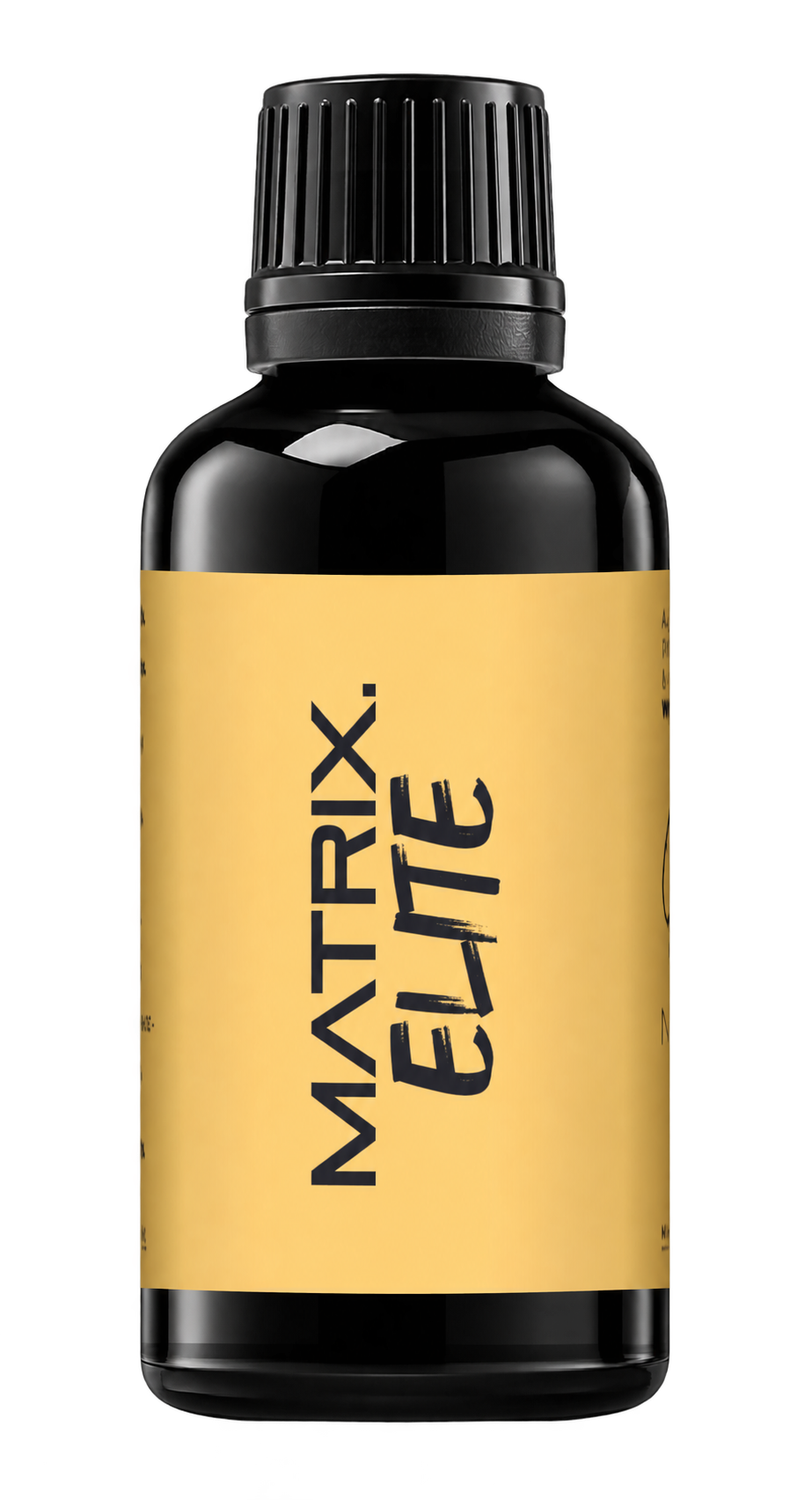

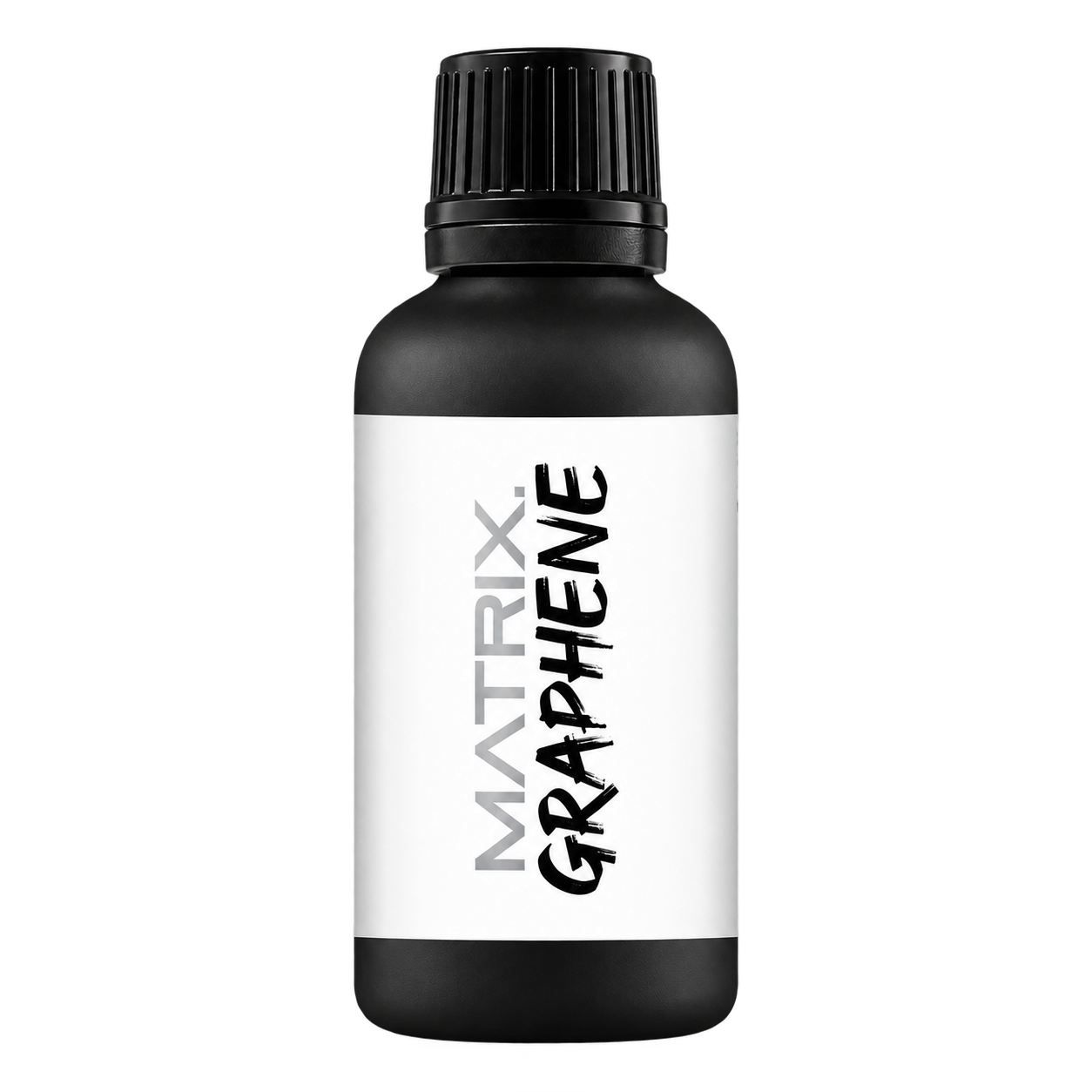
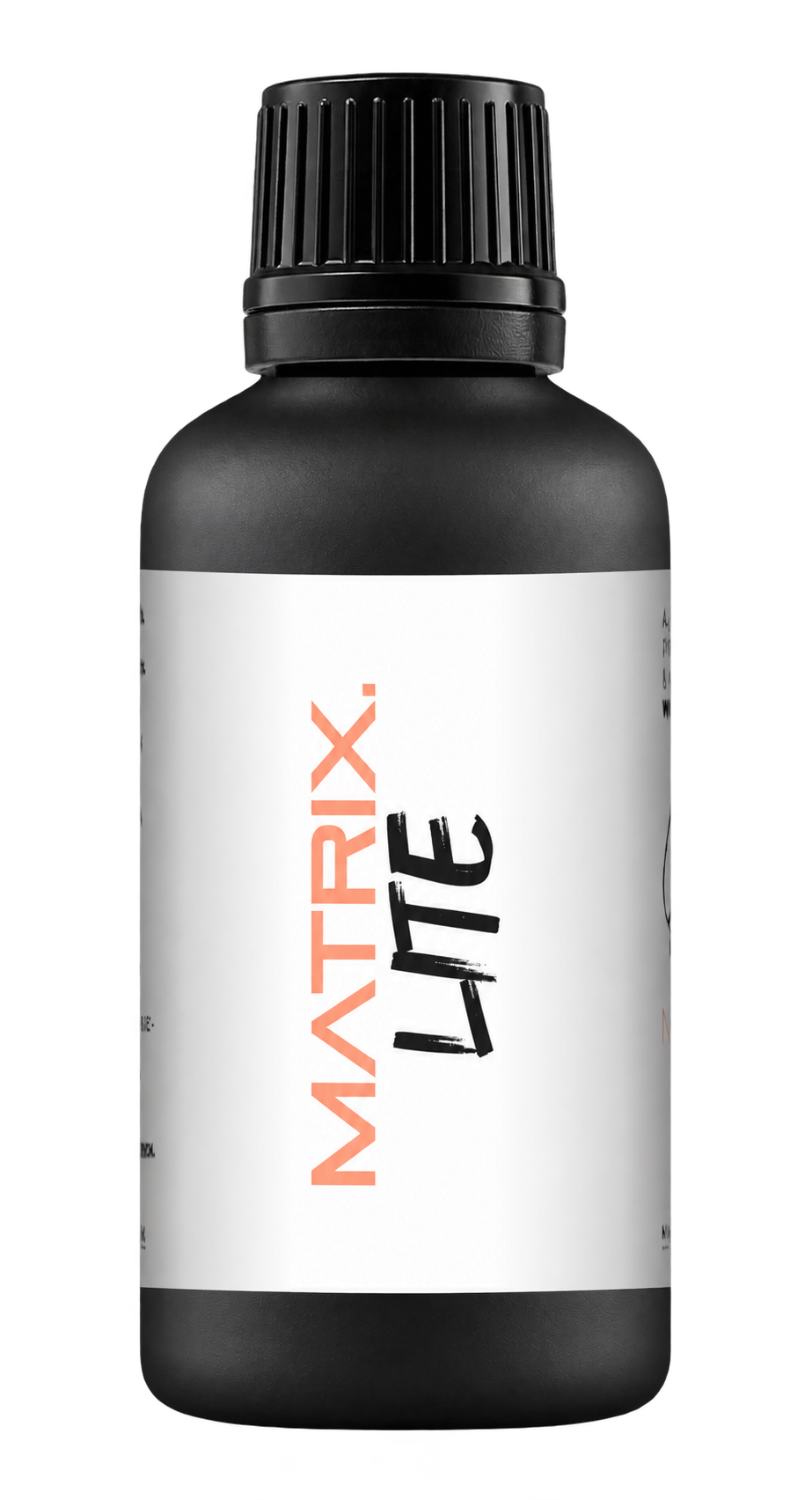
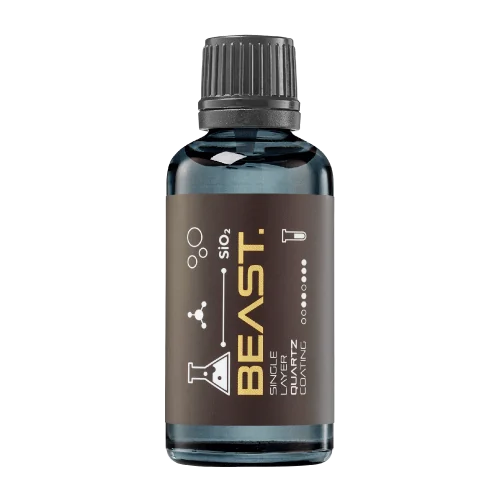
A full polishing range.
From cutting and one-step correction to final finishing.
Specialist chemistry. Expert application.
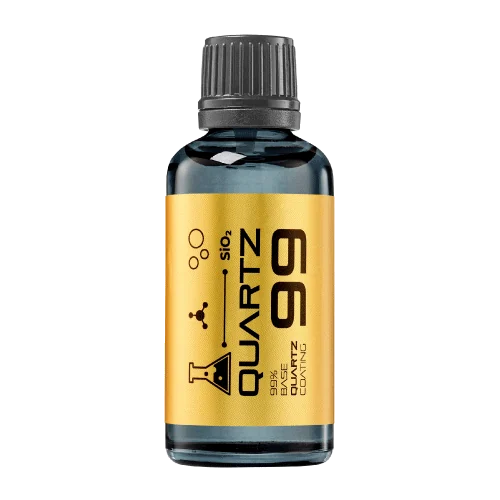 QUARTZ99 / CERAMIC BASE COAT
The foundation of your coating system.
A layerable quartz base coat designed for mechanical protection. Pair it with a suitable top coat to create the final finish.
For application by NANOLAB certified installers only.
Four formulas. Extended working time. Find the coating for your finish.
Explore the BEAST family of ceramic coatings.
Find the coating for each exterior surface.
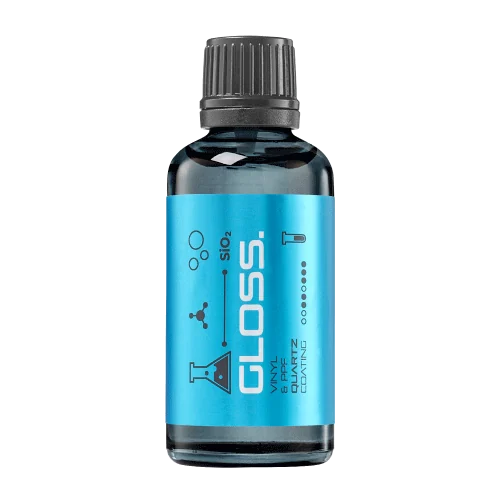 PPF & VINYLGLOSSProtection for glossy films and wraps.Discover
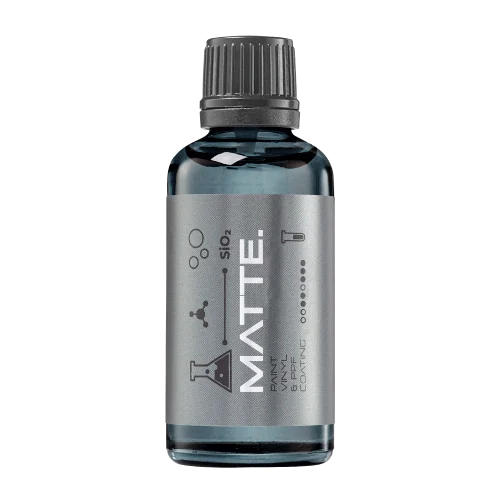 MATTE & SATINMATTEProtection that respects the finish.Discover
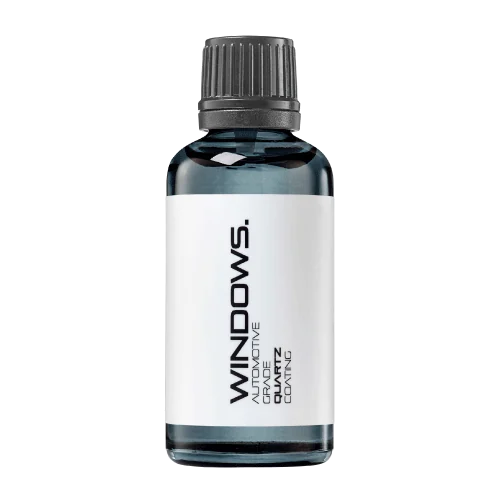 GLASSWINDOWSExplore dedicated glass protection.Discover
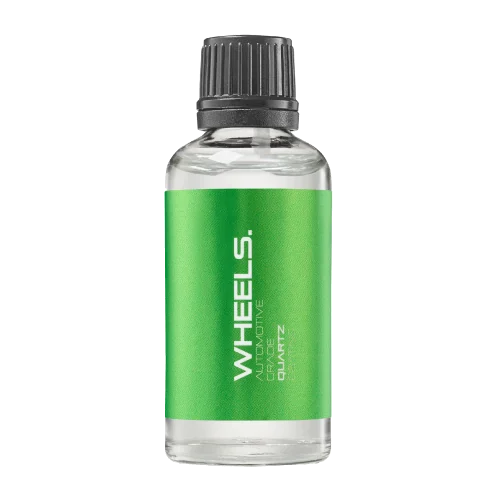 WHEEL PROTECTIONWHEELSA dedicated coating for your wheels.Discover
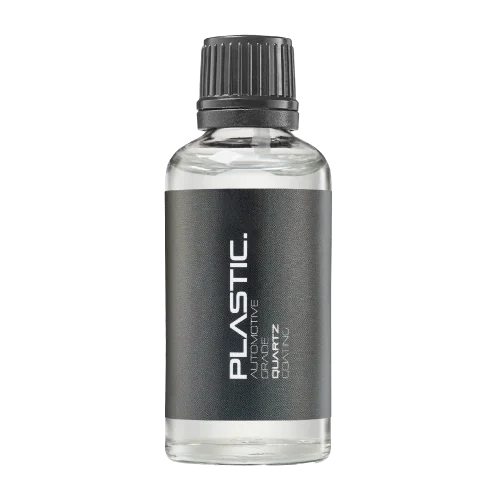 TRIM PROTECTIONPLASTICProtection for plastic surfaces.Discover
Dedicated care for the surfaces inside.
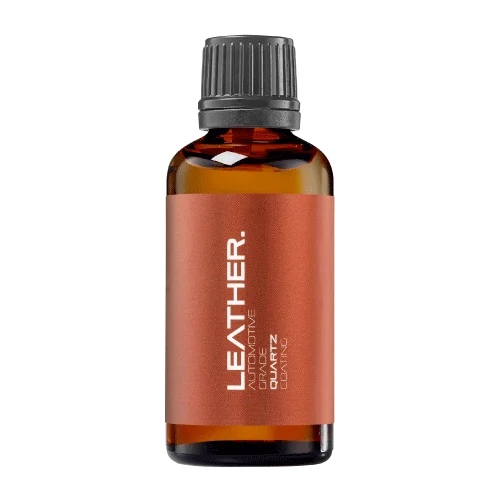 LEATHER SURFACESLEATHERDiscover NANOLAB leather protection.Discover PLASTIC SURFACESPLASTICProtection for interior plastic surfaces.Discover TEXTILE SURFACESFABRICExplore the latest fabric formulation.Discover
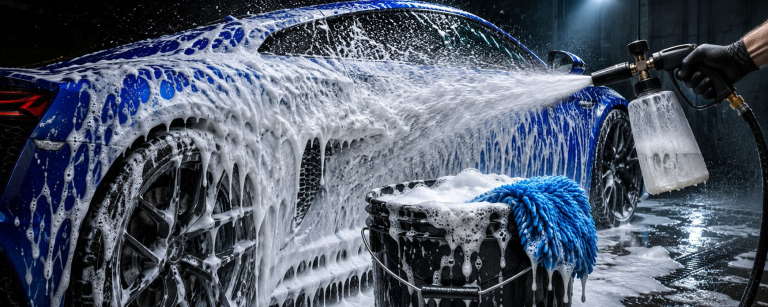 Preview all six shampoos →
Spray protection, maintenance and upcoming wash products.
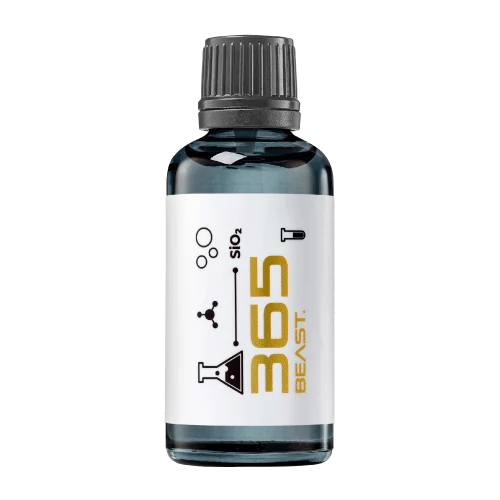 MAINTENANCEBEAST 365Explore the BEAST maintenance range.Discover
Next in washing, cleaning & care.
Ceramic protection for boats and yachts.
An easy-to-apply ceramic coating with an established track record on boats and yachts around the world.
Results vary with surface preparation, exposure and maintenance.
Read 50 MARINE guides →Explore MARINEProtection for the surfaces you live with.
A look at what we’re developing.
From cutting and one-step correction to final finishing.
A wider range for professional vehicle care.
Taking shape alongside BEAST & MATRIX.
Practical guidance for your next coating project.
Explore all guides →
Write a defensible sample-size request using the endpoint, meaningful effect, variability and independent experimental unit before testing begins.
Updated · NANOLAB Knowledge
There is no universally adequate number of coating test panels. A sample-size plan depends on the decision, the smallest effect worth detecting, expected variation and the study design. Repeating an instrument reading does not automatically add another independent experimental unit.
For a cleaning-time study, define exactly when timing starts and stops and what counts as an acceptably cleaned surface. Then identify the reduction that would change the purchasing or process decision. A difference can be detectable yet too small to matter commercially.
Consider a fictional planning example: a workshop is interested in a three-minute reduction on a defined job. A pilot suggests a standard deviation of four minutes under its protocol. Those numbers are inputs for a suitable calculation; they are not enough to prescribe a sample count without specifying independent versus paired measurements, error rates and the intended analysis.
| Input | What to provide |
|---|---|
| Endpoint | Measured property, units and assessment protocol |
| Meaningful effect | Difference worth detecting, with a practical justification |
| Variation | Pilot or historical estimate from a comparable method |
| Design | Independent groups, paired specimens or a more complex allocation |
| Error criteria | Chosen significance level and desired power |
| Experimental unit | What receives treatment independently and which readings are repeated within it |
Minitab’s technical guidance for two-sample testing links power to sample sizes, the difference between means and population variation. Consequently, a count calculated for a low-variation laboratory method may be inadequate for a variable field trial.
Thirty readings on one panel describe repeated measurement of that panel. They do not represent thirty independently prepared panels. Likewise, many panels from one production batch cannot establish between-batch consistency.
Plan allocation and batch coverage before collecting data. If panels share a preparation session, batch or vehicle, tell the analyst rather than treating all rows as unrelated. See batch variation and specimen counts.
Ask for sample-size scenarios using plausible lower and higher variation, not only the most optimistic pilot estimate. Plan how missing or unusable observations will be handled. Do not count an invalid specimen as successful merely to retain the intended total.
If the necessary study is too large, reduce avoidable variation, refine the question or reconsider feasibility. Do not silently redefine an important effect as a larger one simply to obtain a convenient sample size.
Record the assumptions with the result. Failure to detect a difference is not a finding of equivalence; that needs a different planned question and acceptance margins.
Primary reference: Minitab: two-sample t-test technical guidance, power and sample size.