
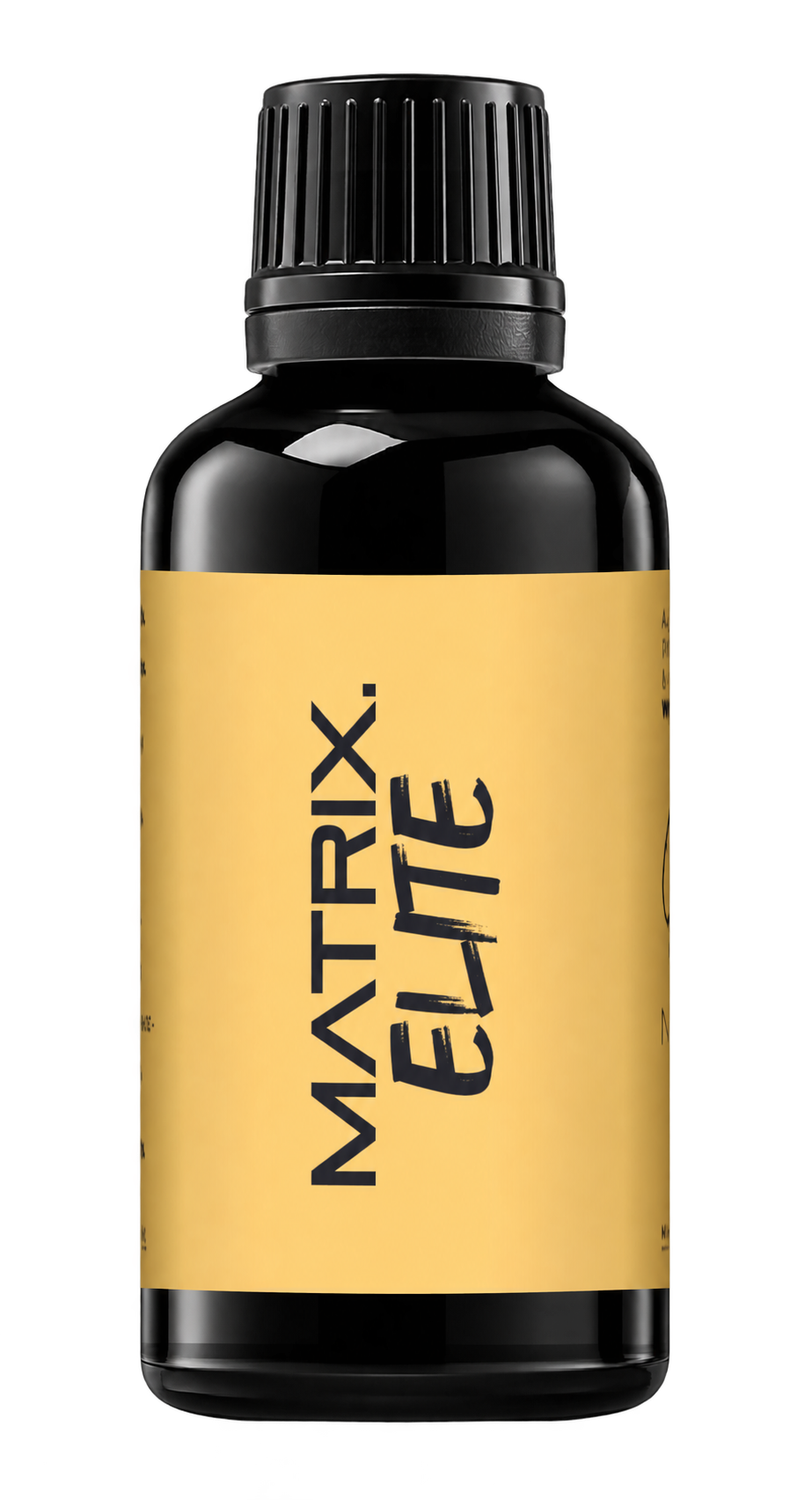
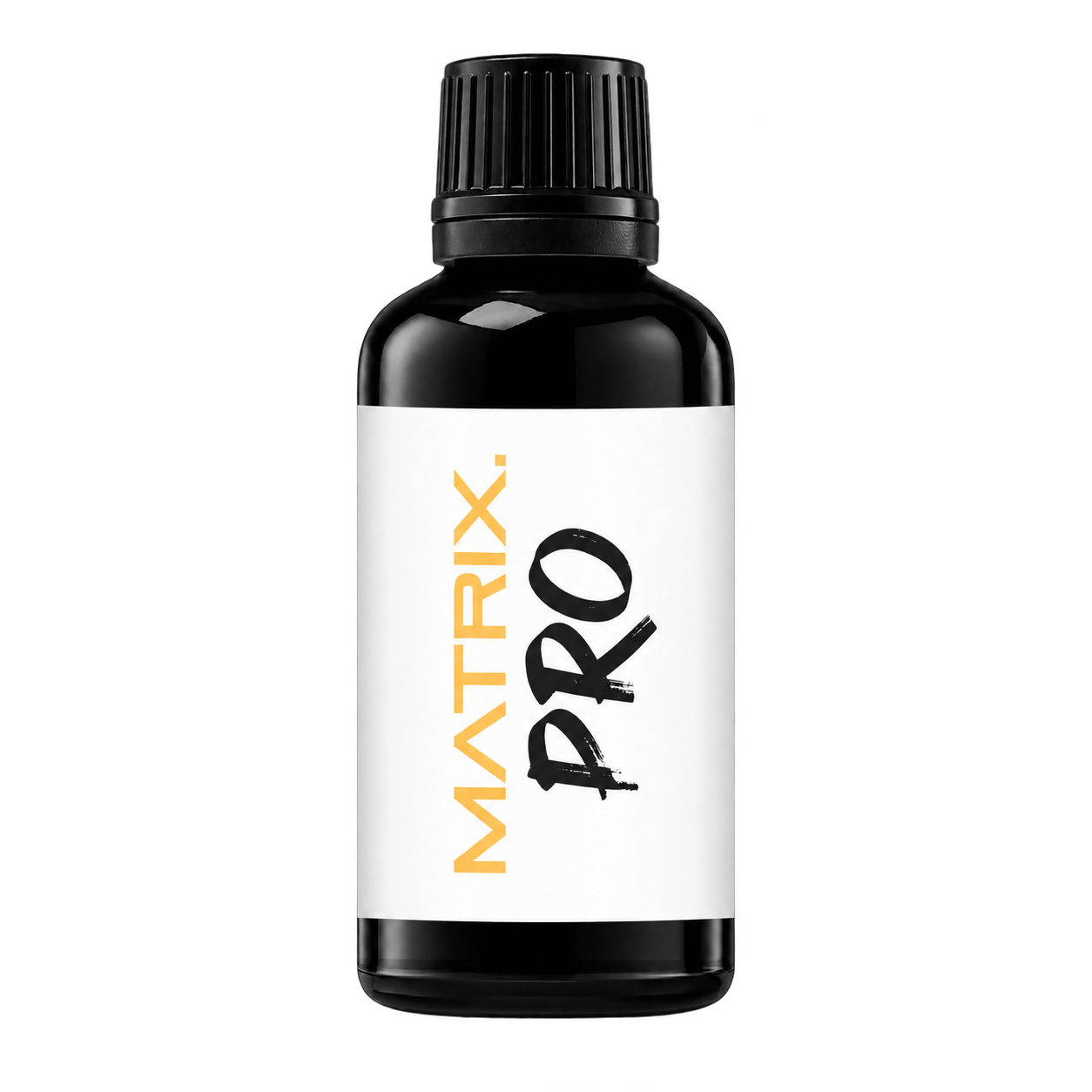
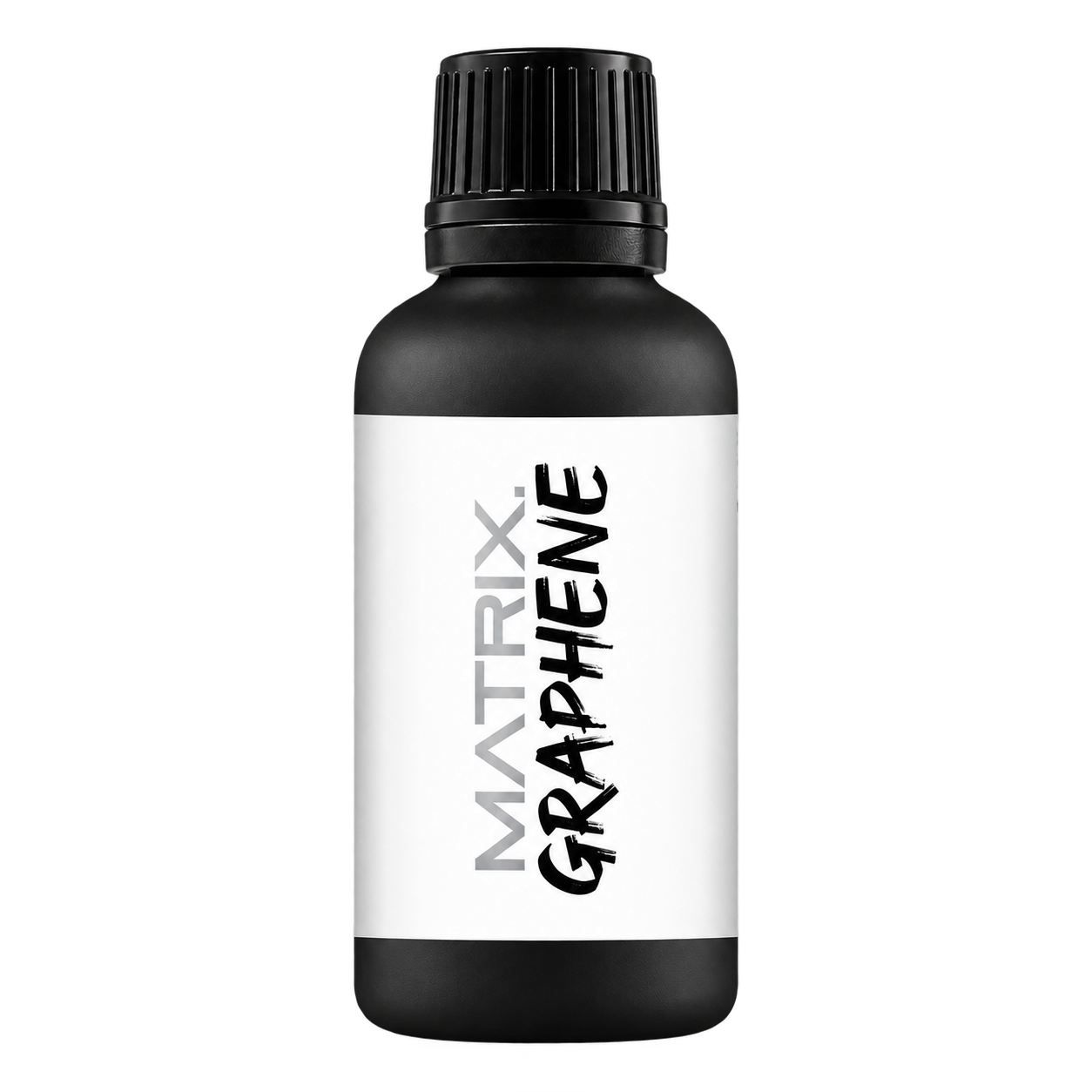
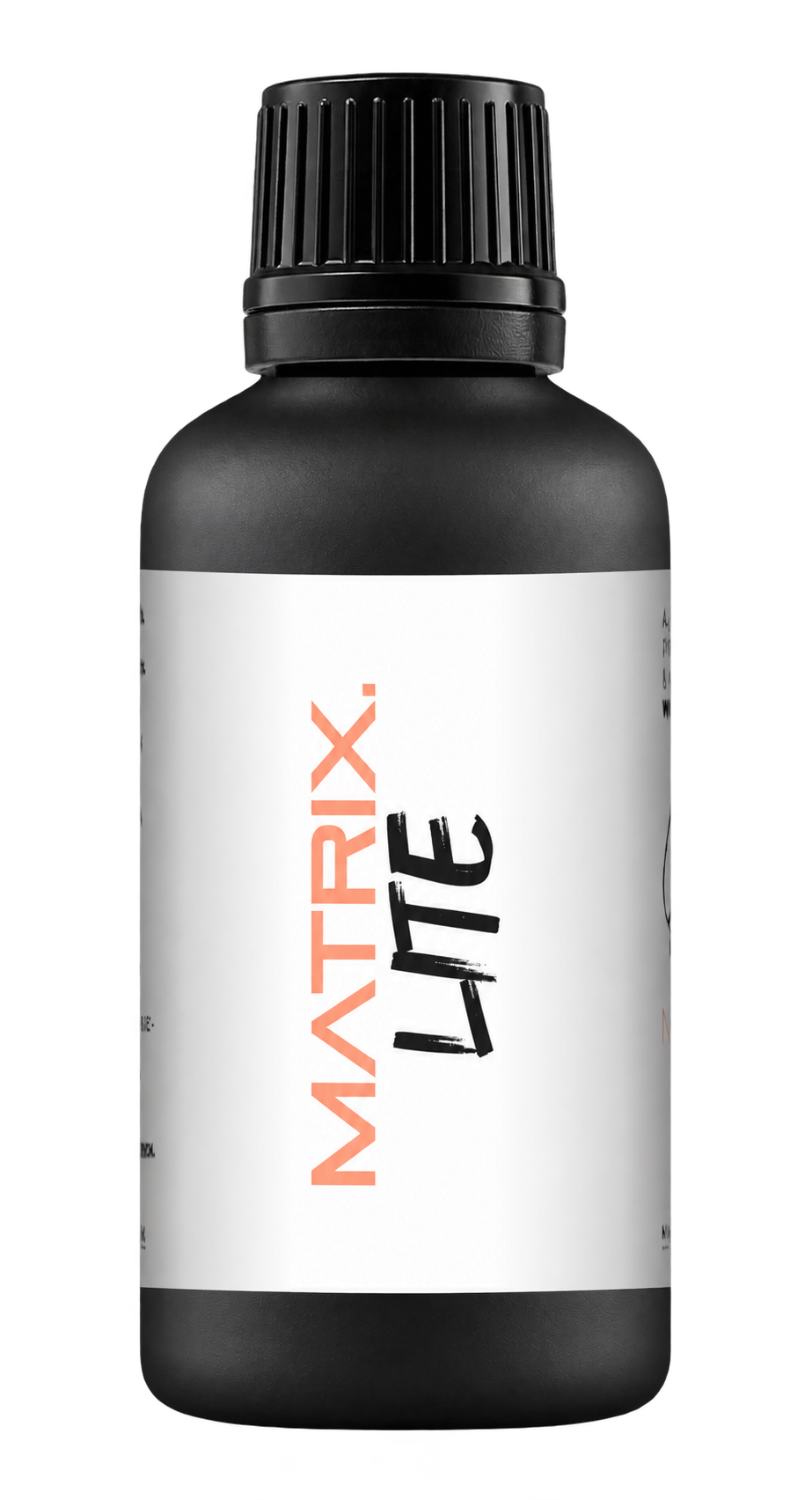
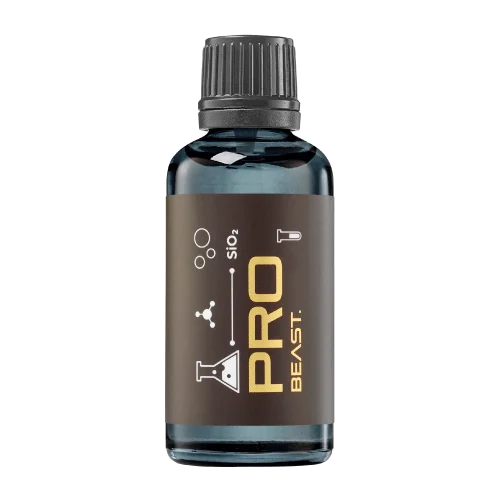
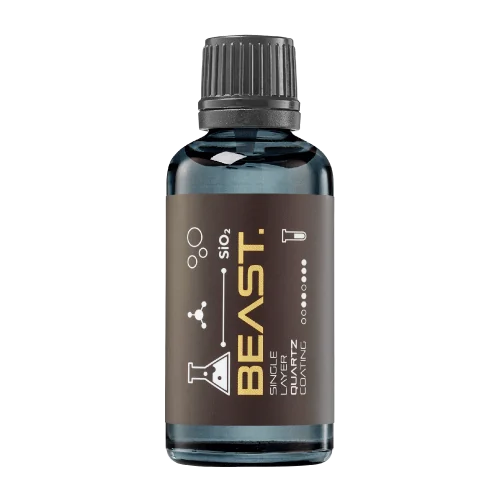
A full polishing range.
From cutting and one-step correction to final finishing.
Specialist chemistry. Expert application.
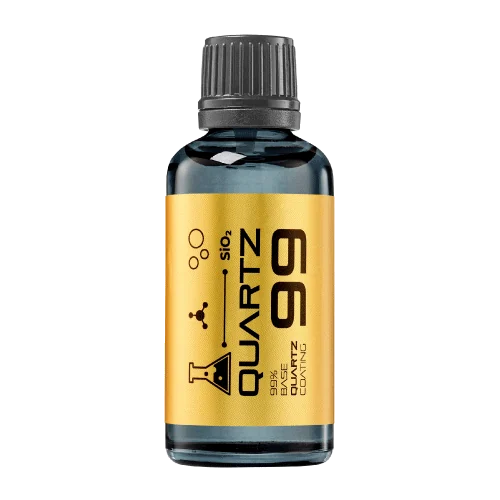 QUARTZ99 / CERAMIC BASE COAT
The foundation of your coating system.
A layerable quartz base coat designed for mechanical protection. Pair it with a suitable top coat to create the final finish.
For application by NANOLAB certified installers only.
Four formulas. Extended working time. Find the coating for your finish.
Explore the BEAST family of ceramic coatings.
Find the coating for each exterior surface.
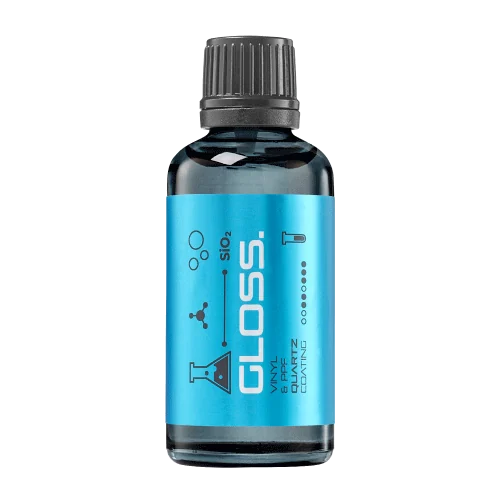 PPF & VINYLGLOSSProtection for glossy films and wraps.Discover
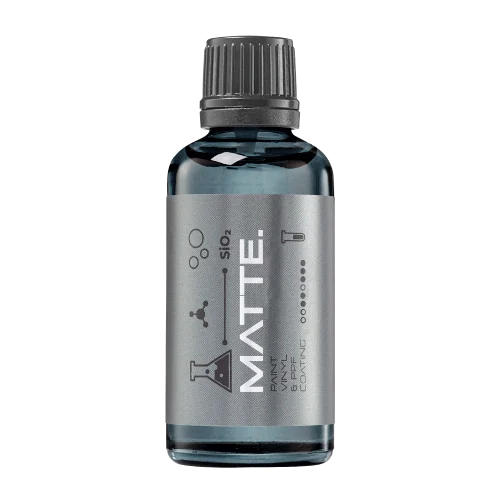 MATTE & SATINMATTEProtection that respects the finish.Discover
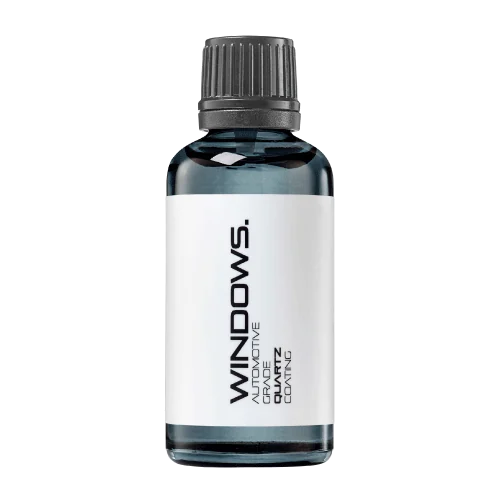 GLASSWINDOWSExplore dedicated glass protection.Discover
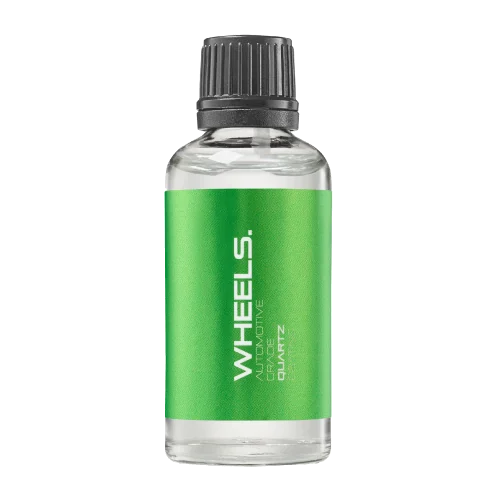 WHEEL PROTECTIONWHEELSA dedicated coating for your wheels.Discover
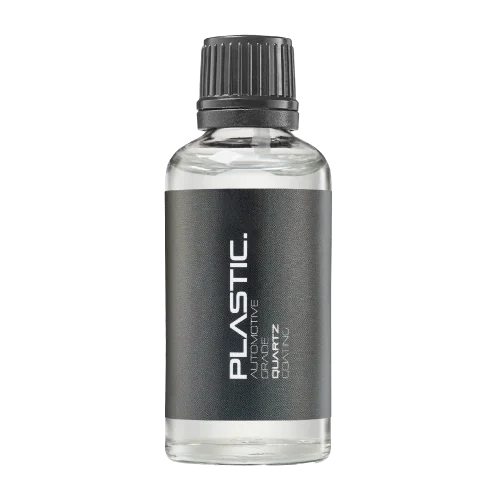 TRIM PROTECTIONPLASTICProtection for plastic surfaces.Discover
Dedicated care for the surfaces inside.
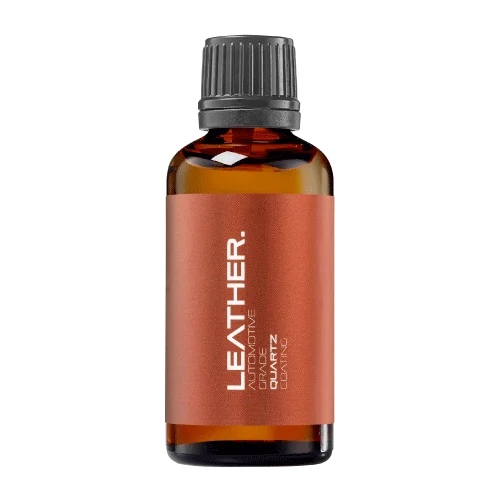 LEATHER SURFACESLEATHERDiscover NANOLAB leather protection.Discover PLASTIC SURFACESPLASTICProtection for interior plastic surfaces.Discover TEXTILE SURFACESFABRICExplore the latest fabric formulation.Discover
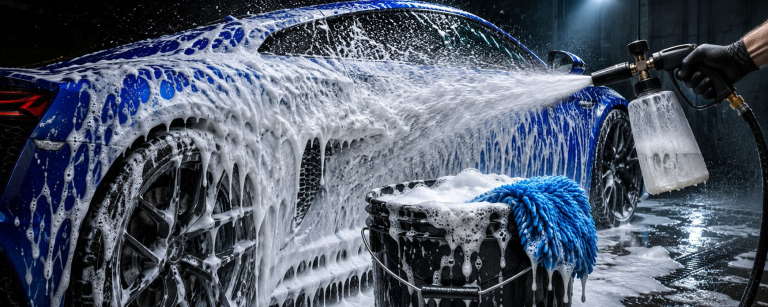 Preview all six shampoos →
Spray protection, maintenance and upcoming wash products.
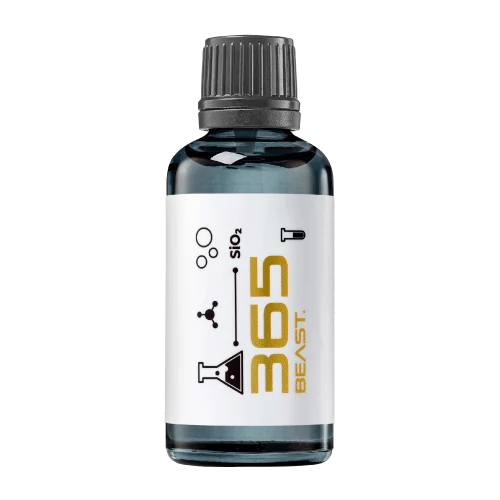 MAINTENANCEBEAST 365Explore the BEAST maintenance range.Discover
Next in washing, cleaning & care.
Ceramic protection for boats and yachts.
An easy-to-apply ceramic coating with an established track record on boats and yachts around the world.
Results vary with surface preparation, exposure and maintenance.
Read 50 MARINE guides →Explore MARINEProtection for the surfaces you live with.
A look at what we’re developing.
From cutting and one-step correction to final finishing.
A wider range for professional vehicle care.
Taking shape alongside BEAST & MATRIX.
Practical guidance for your next coating project.
Explore all guides →
Use an illustrative UV–Vis calibration and dilution calculation to evaluate a known dye, while checking matrix interference and avoiding colour-based cleaning claims.
Updated · NANOLAB Knowledge
UV–visible spectroscopy can support a quantitative check of a known dissolved dye in a car shampoo if the formulation and method permit a selective measurement. It is more specific than judging bottle colour by eye, but it is not a general test of shampoo strength, surfactant content or cleaning performance.
Start with the dye identity and the question: concentration consistency, a suspected dosing error or a change during storage. The Beer–Lambert relation connects absorbance with concentration and optical path length under suitable conditions. A practical calibration determines the response for known standards at the selected wavelength and path length.
Other ingredients can absorb at the same wavelength, while haze, particles and bubbles can distort a transmission measurement. A transparent-looking product is not proof of selectivity. For a formulation-development study, compare a matched undyed base, dye standards prepared in that base where feasible, and the final formulation after the same preparation.
A change in fragrance, pH or other ingredients may require a fresh selectivity check. A water-only calibration may not represent the dye’s response in a formulated matrix. Do not remove haze by an improvised filtration step if that could also remove dye; any preparation that changes the analyte needs validation.
Suppose a fictional validated calibration is A = 0.050 × C + 0.010, where A is absorbance and C is dye concentration in mg/L in the measured dilution. An absorbance of 0.410 gives C = (0.410 − 0.010) ÷ 0.050 = 8.00 mg/L.
If 5.00 mL of the original sample was diluted to a final volume of 100.0 mL, the dilution factor is 20.0. The original concentration is therefore 160 mg/L, assuming the preparation is valid and there are no other dilution steps. These figures are invented; they are not a NANOLAB formula, test result or colour specification.
The example uses a volume basis. It should not be relabelled as mg/kg without the necessary density information. Nor should the fitted intercept be subtracted a second time if software has already converted absorbance to concentration. If the reading lies outside the qualified range, prepare an appropriate dilution and remeasure instead of extrapolating.
A changed signal might reflect concentration, degradation, interference or preparation error. Review the spectrum and control results before assigning a cause. Bottle geometry, lighting and background also affect perceived colour, so an analytical concentration result and an appearance specification answer different questions.
Use fragrance and colour guidance to keep sensory claims separate from wash performance. For a range with several variants, connect the analytical checks to a formulation compatibility matrix rather than assuming one approved variant covers every change.
Technical references: Agilent: spectroscopy fundamentals and Beer–Lambert relation; Shimadzu: absorbance versus transmission for quantitative analysis. The matrix-comparison workflow is a proposed study framework requiring laboratory qualification.