
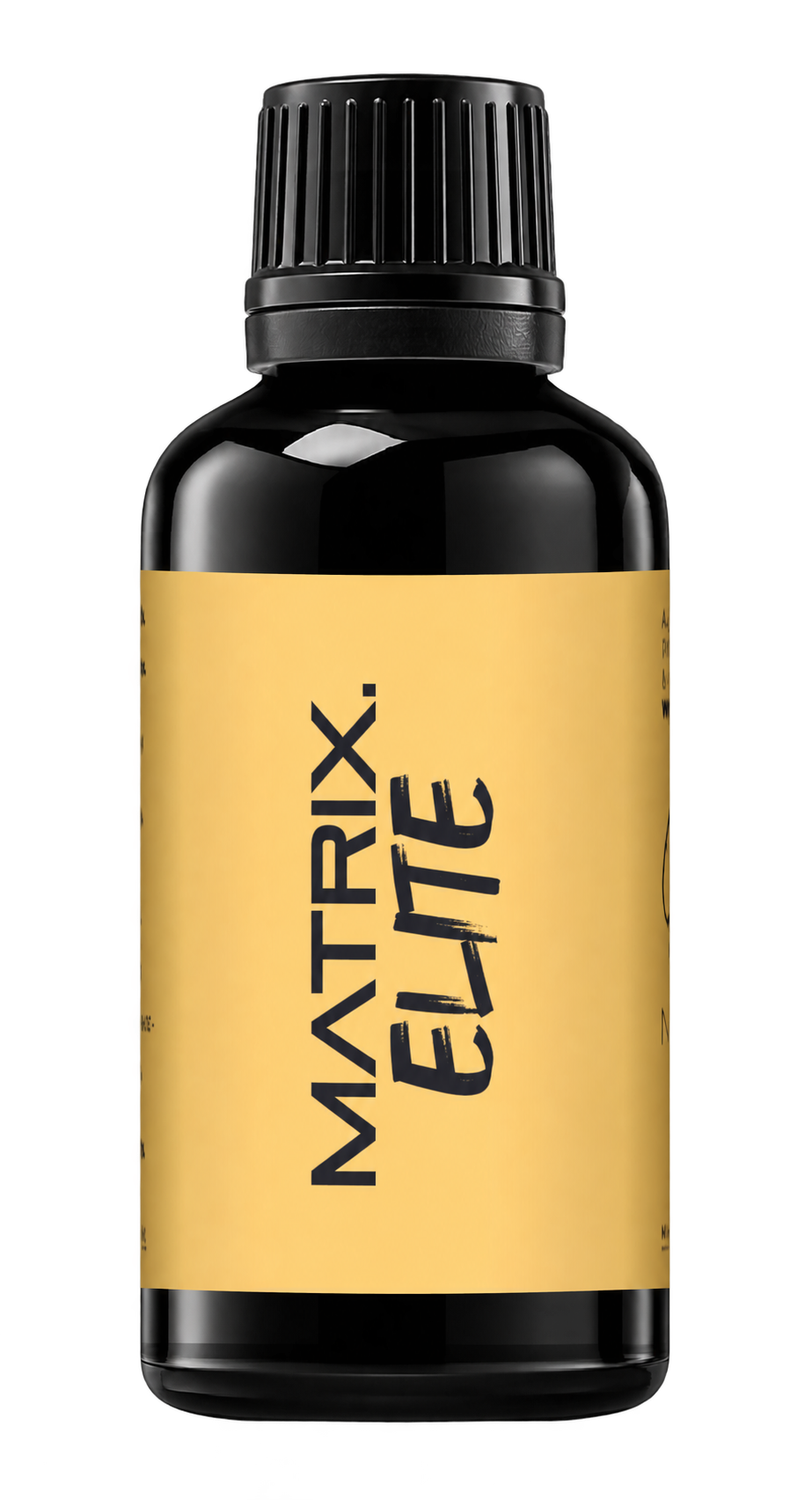
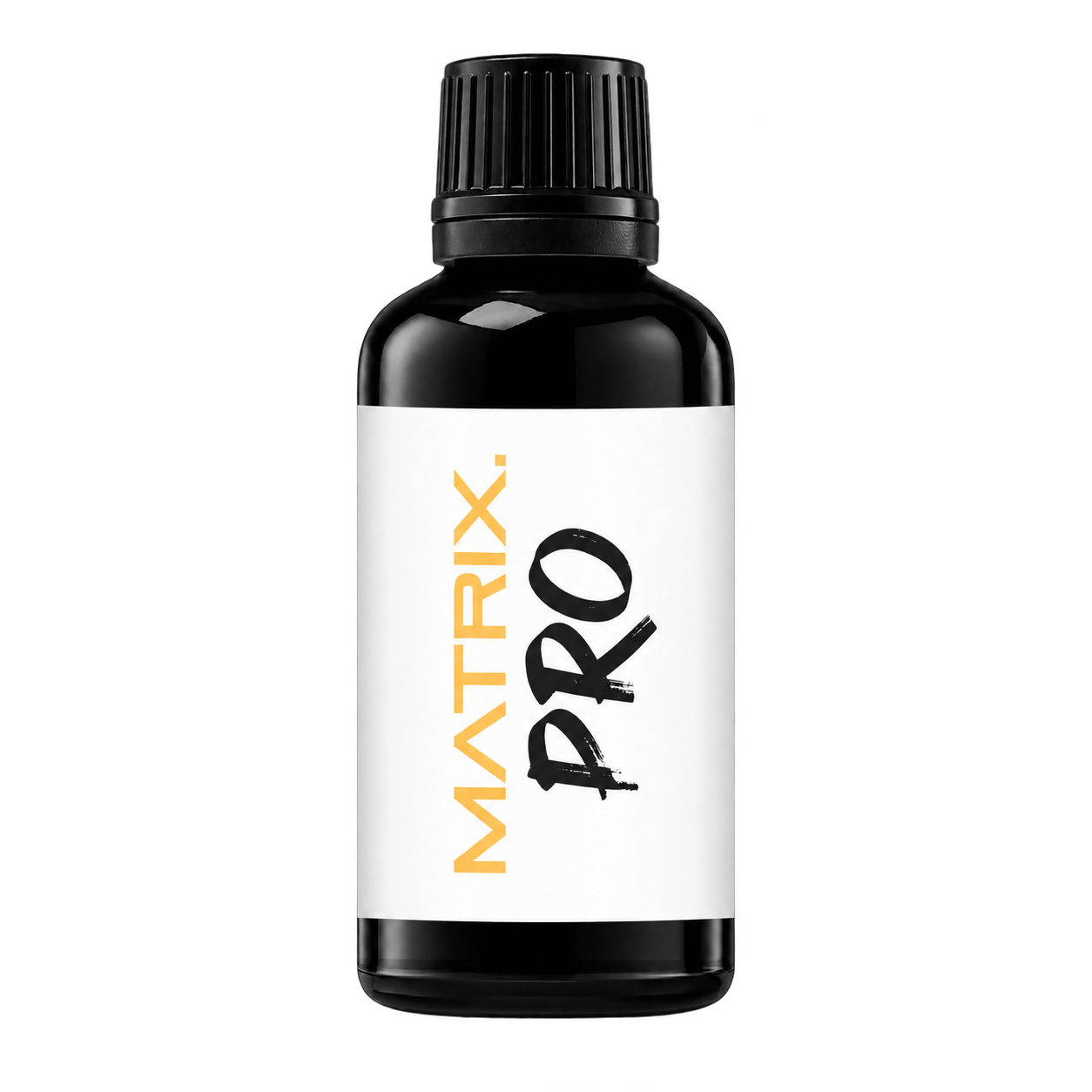
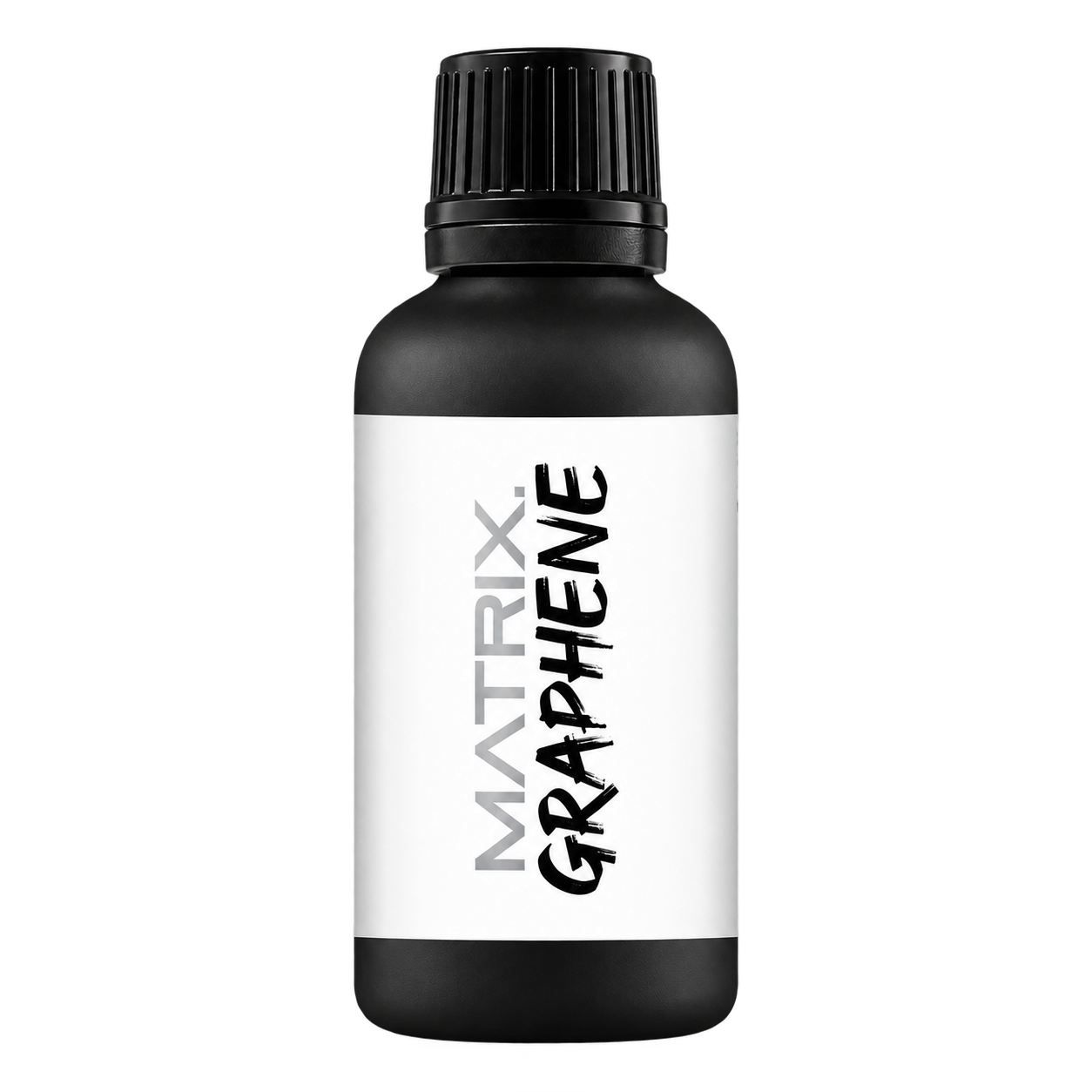
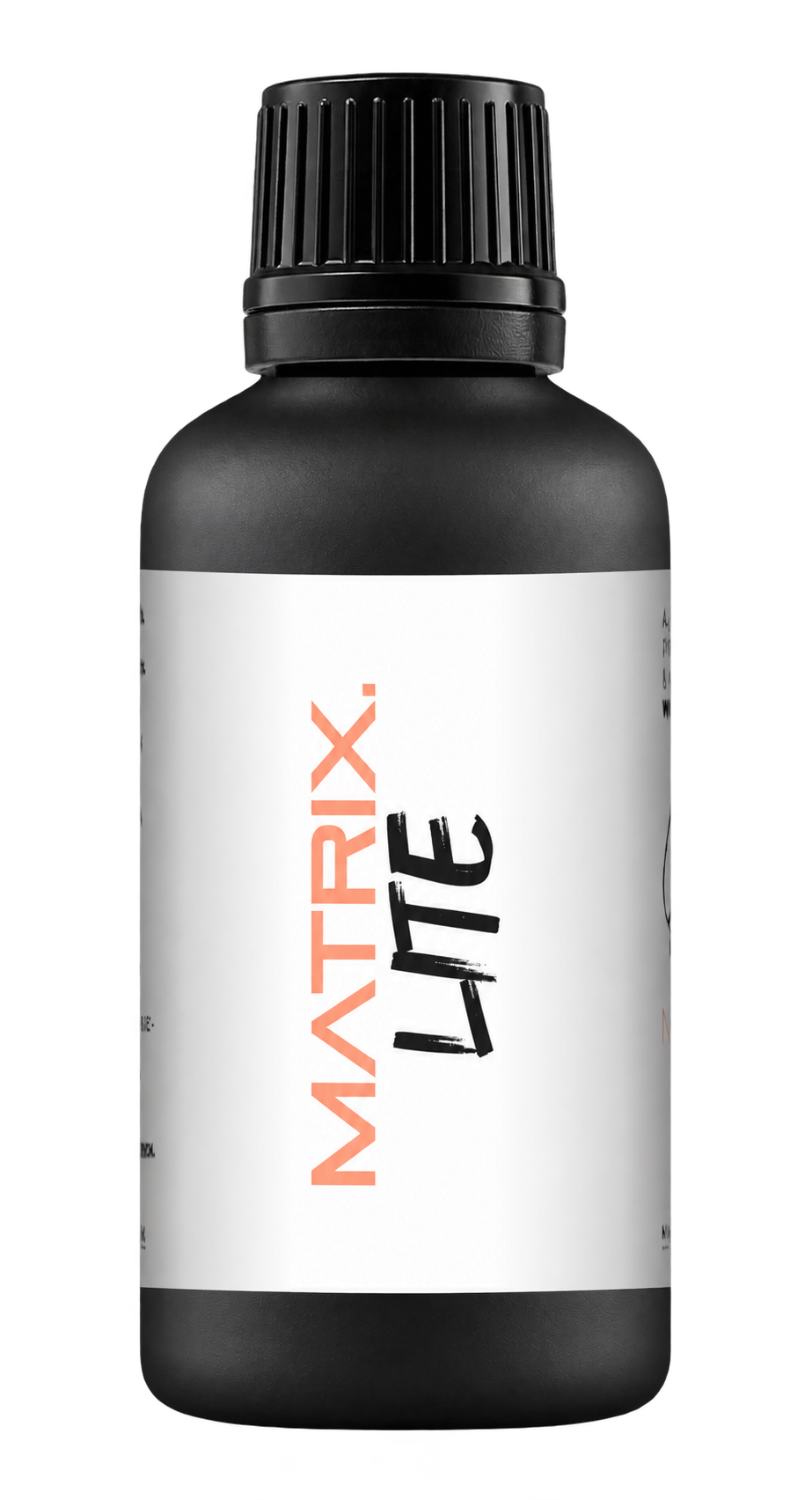
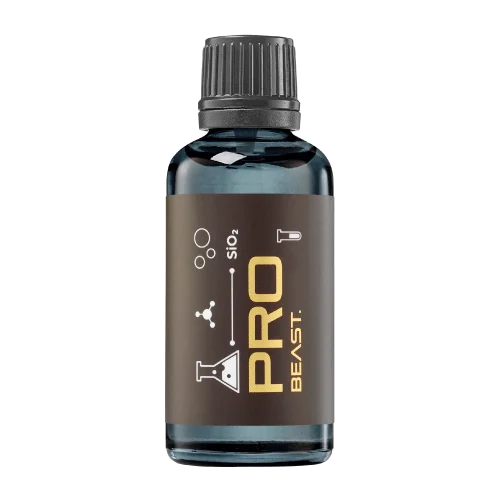

A full polishing range.
From cutting and one-step correction to final finishing.
Specialist chemistry. Expert application.
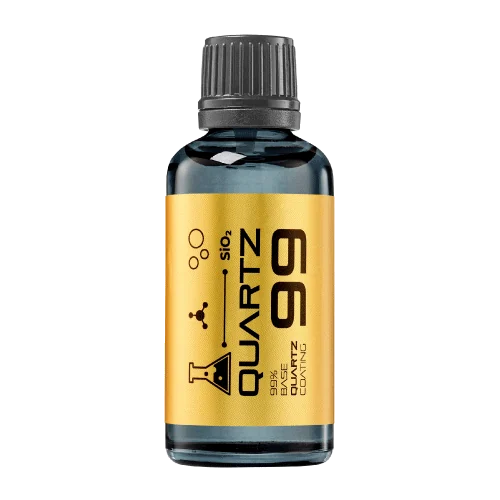 QUARTZ99 / CERAMIC BASE COAT
The foundation of your coating system.
A layerable quartz base coat designed for mechanical protection. Pair it with a suitable top coat to create the final finish.
For application by NANOLAB certified installers only.
Four formulas. Extended working time. Find the coating for your finish.
Explore the BEAST family of ceramic coatings.
Find the coating for each exterior surface.
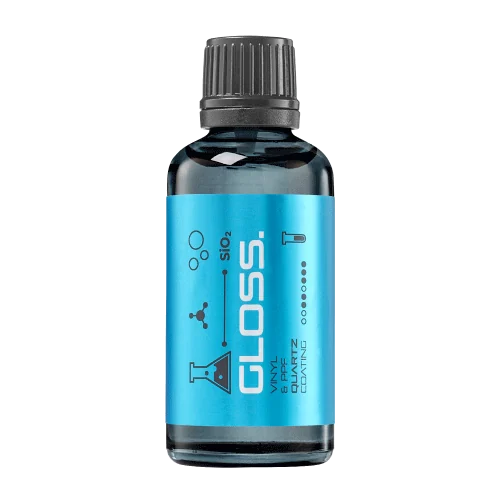 PPF & VINYLGLOSSProtection for glossy films and wraps.Discover
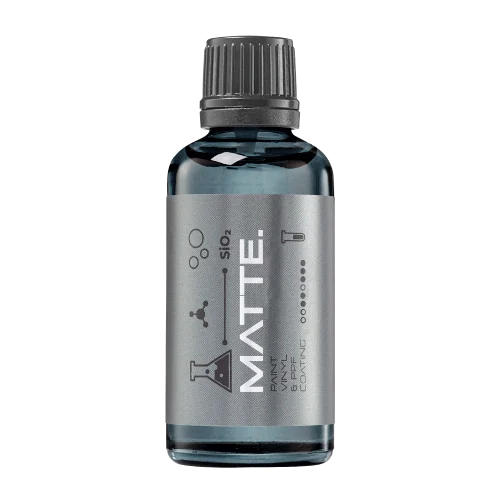 MATTE & SATINMATTEProtection that respects the finish.Discover
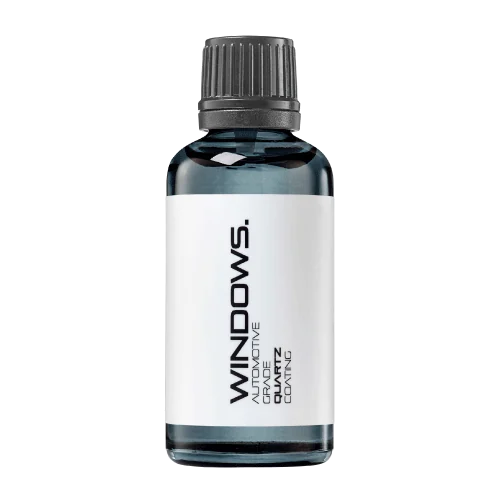 GLASSWINDOWSExplore dedicated glass protection.Discover
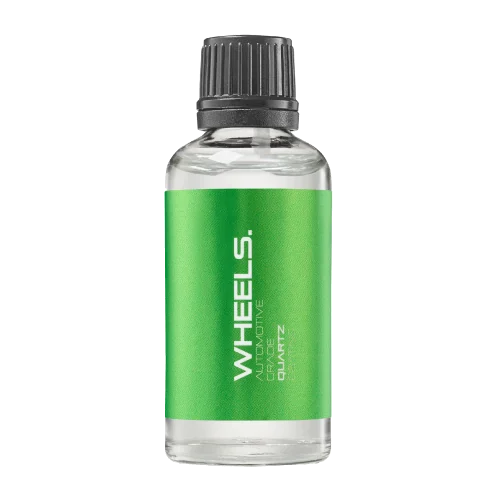 WHEEL PROTECTIONWHEELSA dedicated coating for your wheels.Discover
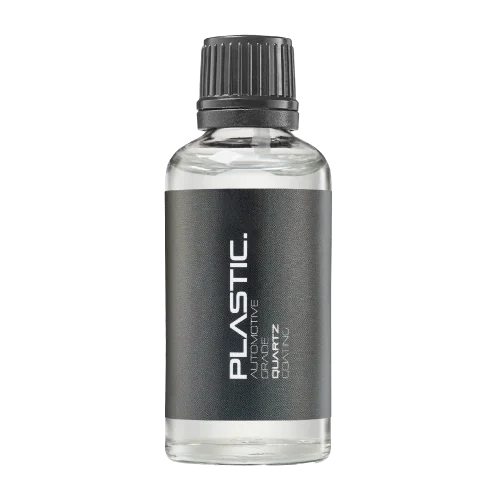 TRIM PROTECTIONPLASTICProtection for plastic surfaces.Discover
Dedicated care for the surfaces inside.
 LEATHER SURFACESLEATHERDiscover NANOLAB leather protection.Discover PLASTIC SURFACESPLASTICProtection for interior plastic surfaces.Discover TEXTILE SURFACESFABRICExplore the latest fabric formulation.Discover
 Preview all six shampoos →
Spray protection, maintenance and upcoming wash products.
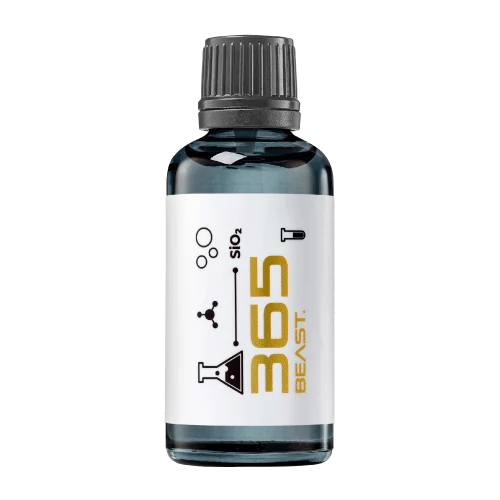 MAINTENANCEBEAST 365Explore the BEAST maintenance range.Discover
Next in washing, cleaning & care.
Ceramic protection for boats and yachts.
An easy-to-apply ceramic coating with an established track record on boats and yachts around the world.
Results vary with surface preparation, exposure and maintenance.
Read 50 MARINE guides →Explore MARINEProtection for the surfaces you live with.
A look at what we’re developing.
From cutting and one-step correction to final finishing.
A wider range for professional vehicle care.
Taking shape alongside BEAST & MATRIX.
Practical guidance for your next coating project.
Explore all guides →
Interpret foam generation and persistence with a fictional height comparison, while keeping laboratory foam screening separate from cleaning performance.
Updated · NANOLAB Knowledge
A Ross–Miles foam test characterises foam produced by a defined falling-liquid procedure. It can help compare surfactant systems under controlled conditions, but it does not measure soil removal, paint compatibility or the output of a particular foam cannon.
The method uses specified receiving and delivery vessels. Liquid falling into a receiving portion produces foam, which is observed at defined times. KRÜSS describes initial and subsequent height measurements and notes a limitation: following only the top boundary does not separately describe the movement of the liquid–foam interface.
Obtain the applicable full method when commissioning a standardized result. A kitchen-cylinder shake test may be a useful internal comparison, but it should not be labelled a compliant Ross–Miles test merely because foam height was recorded.
The following invented results illustrate reporting choices; they are not NANOLAB test data or acceptance limits. Assume the same apparatus, solution preparation, temperature and height convention for both samples.
| Sample | Initial height | Height after the chosen interval | Later/initial height |
|---|---|---|---|
| A | 180 mm | 90 mm | 50% |
| B | 140 mm | 112 mm | 80% |
A produces the taller initial column; B retains the larger fraction and the taller later column. “A foams better” hides which criterion was chosen. The ratio is only a descriptive summary for this comparison, not a universal stability grade or a measurement of drained liquid.
If comparing commercial use, use the approved dilution of each product and identify that difference. If isolating a surfactant variable in development, define a different controlled formulation study. Equal concentrate volumes do not necessarily create equal active-matter concentrations.
A development brief may require a usable foam layer alongside easy rinsing and adequate cleaning. Test those outcomes separately on a representative substrate. Do not increase dose solely to maximise the laboratory column when the intended wash process uses another concentration.
Use the existing foam drainage and cleaning comparison guide to define separate endpoints. Keep the laboratory method and the equipment trial in different columns of the report so neither silently replaces the other.
Primary reference: KRÜSS: Ross–Miles method.