
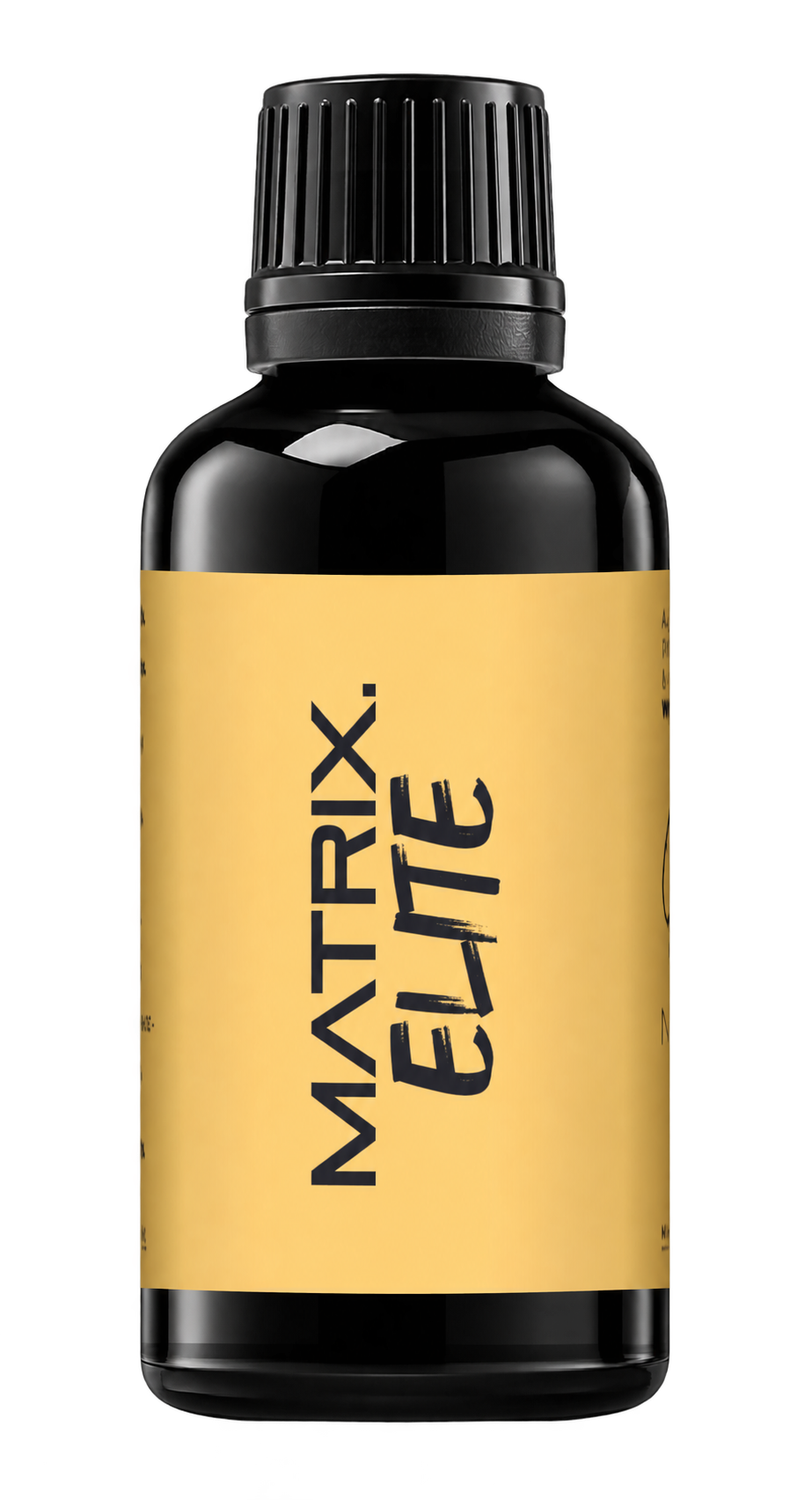
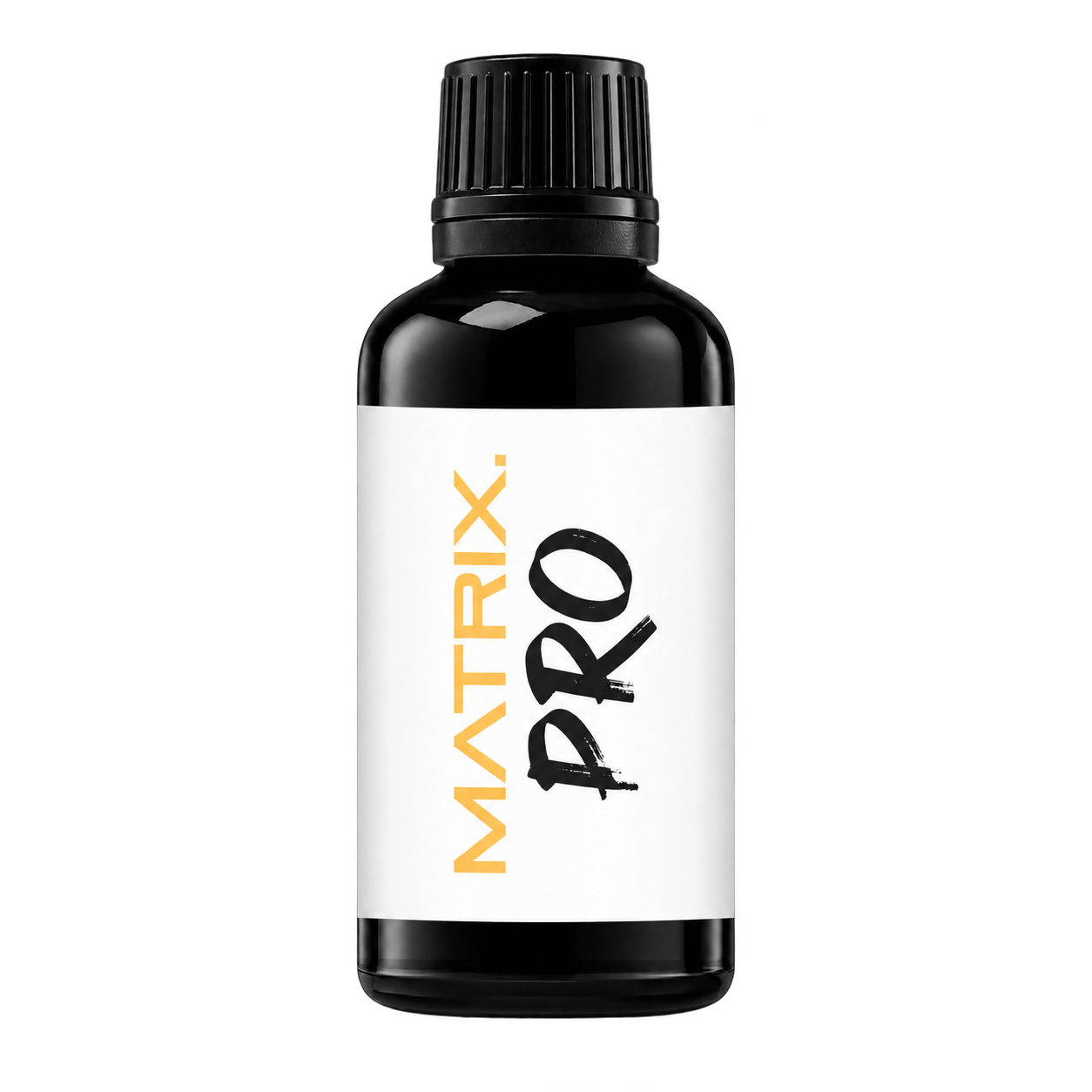
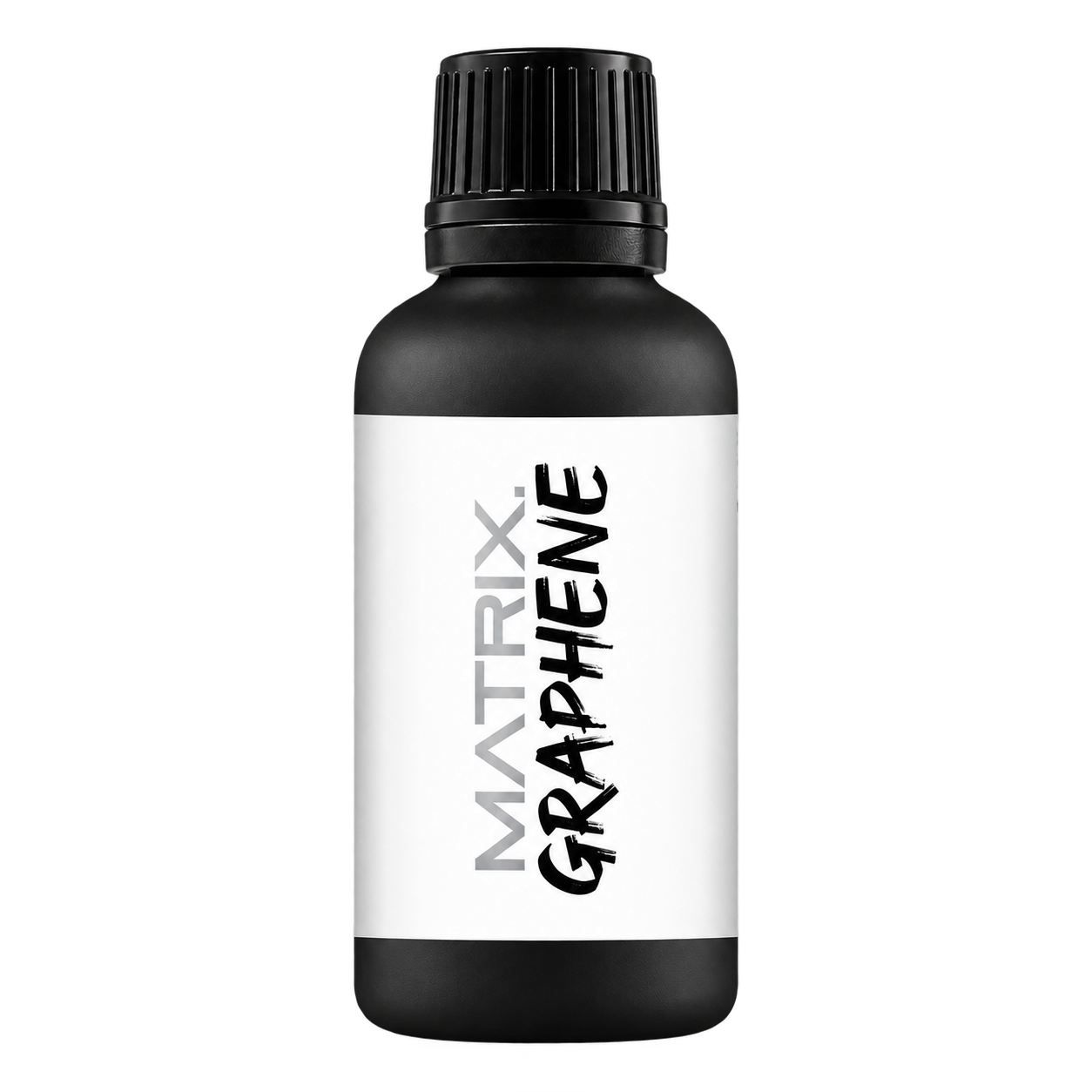
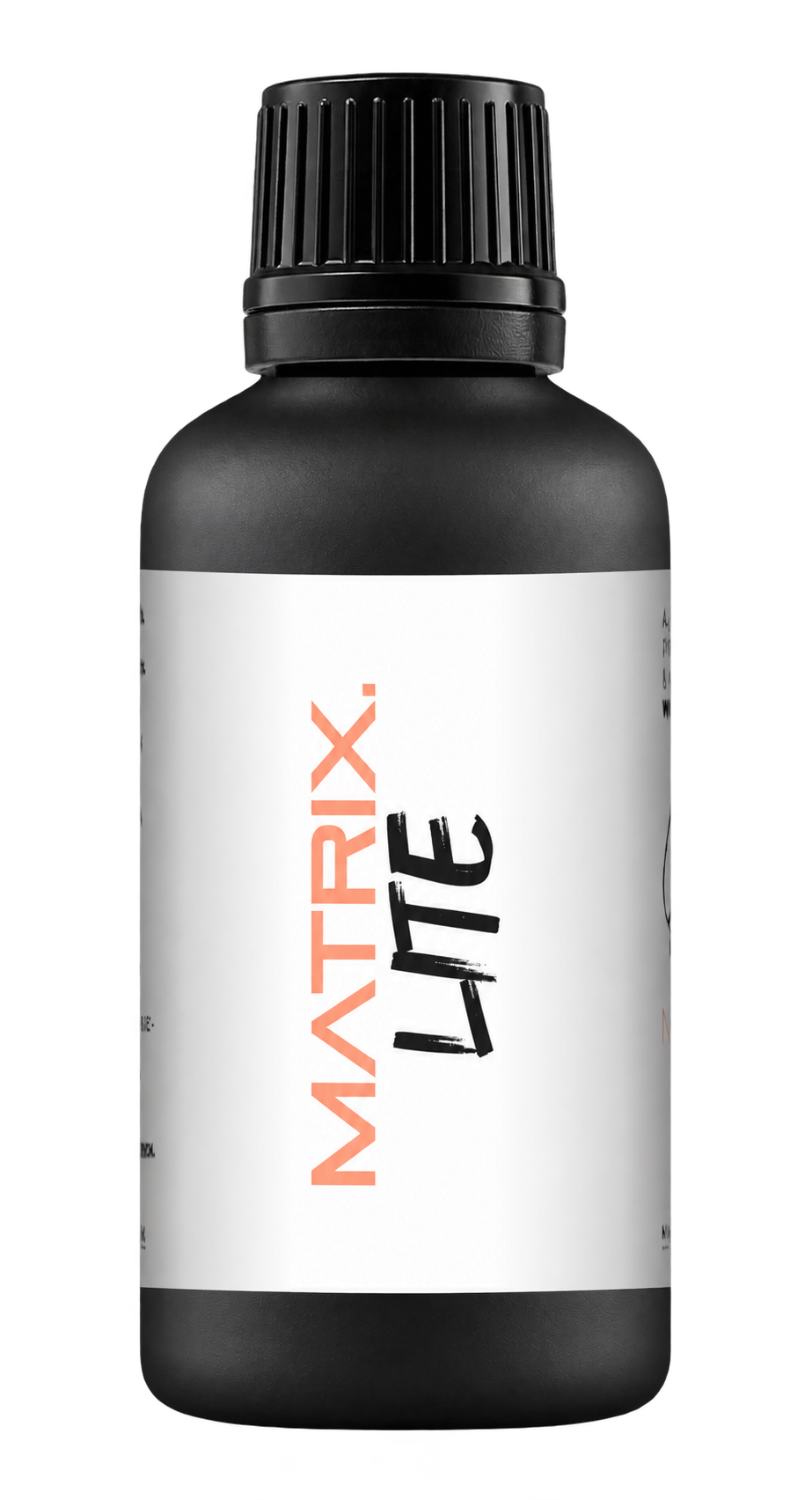
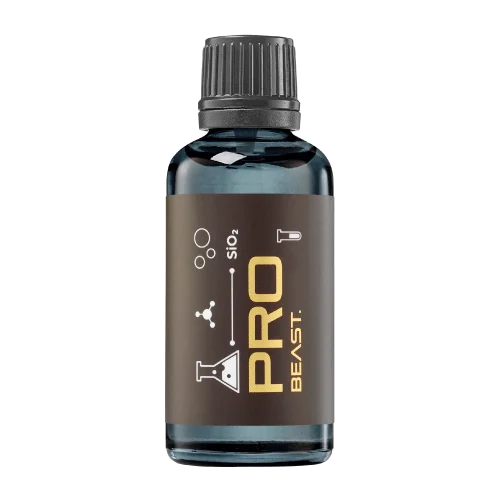
A full polishing range.
From cutting and one-step correction to final finishing.
Specialist chemistry. Expert application.
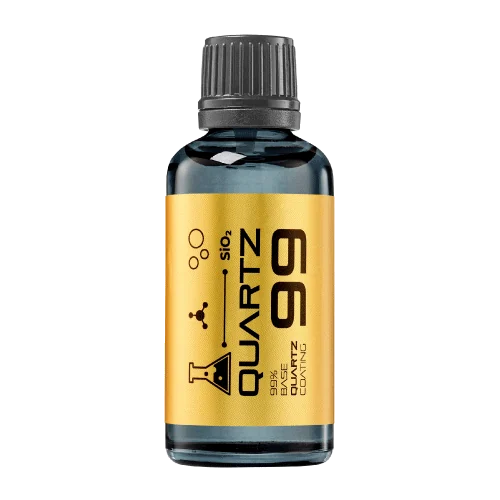 QUARTZ99 / CERAMIC BASE COAT
The foundation of your coating system.
A layerable quartz base coat designed for mechanical protection. Pair it with a suitable top coat to create the final finish.
For application by NANOLAB certified installers only.
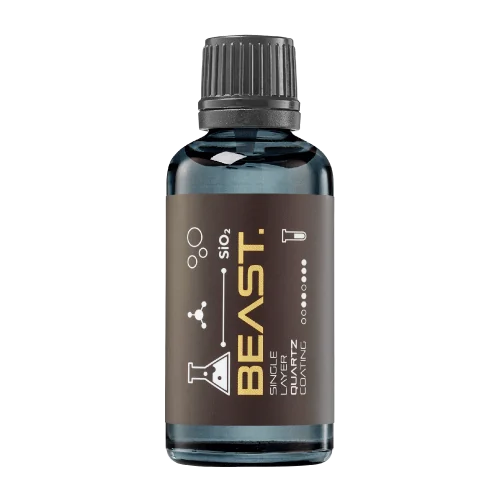
Four formulas. Extended working time. Find the coating for your finish.
Explore the BEAST family of ceramic coatings.
Find the coating for each exterior surface.
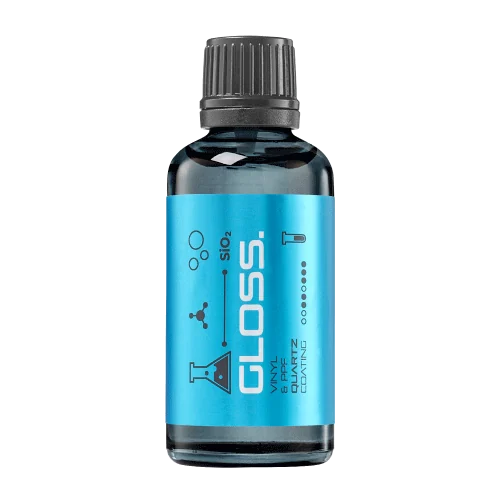 PPF & VINYLGLOSSProtection for glossy films and wraps.Discover
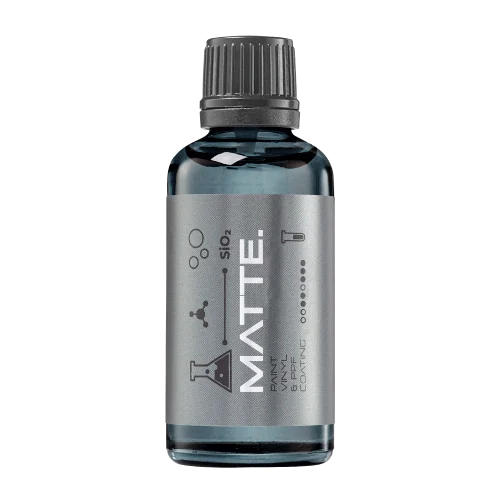 MATTE & SATINMATTEProtection that respects the finish.Discover
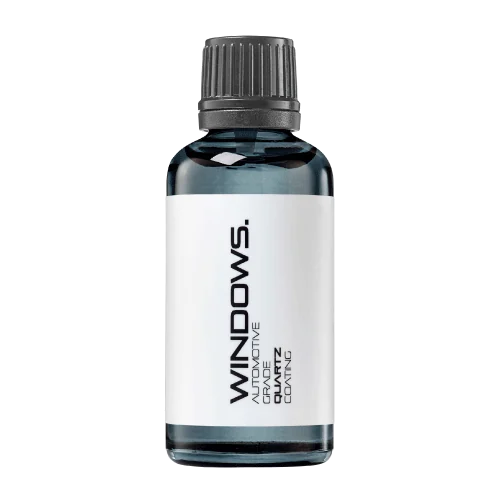 GLASSWINDOWSExplore dedicated glass protection.Discover
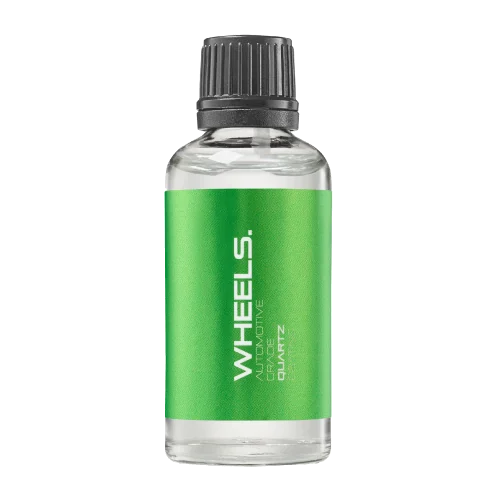 WHEEL PROTECTIONWHEELSA dedicated coating for your wheels.Discover
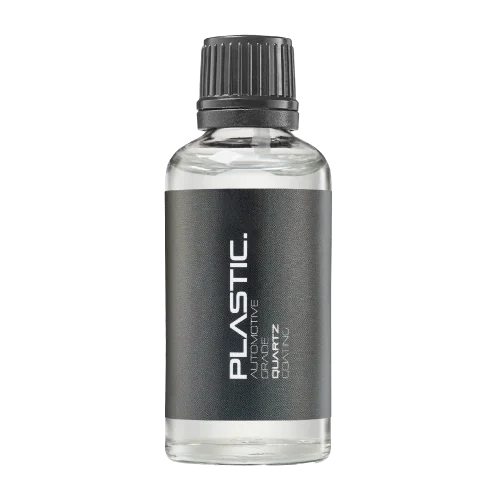 TRIM PROTECTIONPLASTICProtection for plastic surfaces.Discover
Dedicated care for the surfaces inside.
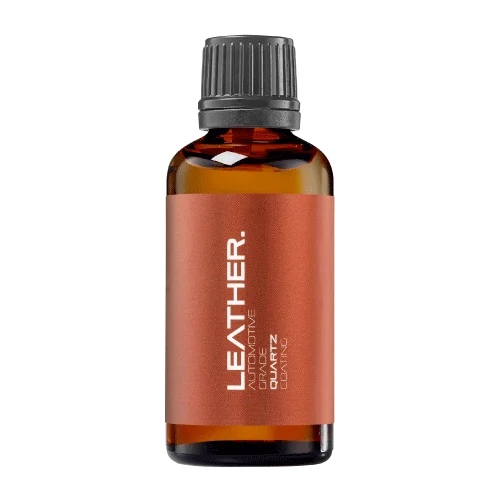 LEATHER SURFACESLEATHERDiscover NANOLAB leather protection.Discover PLASTIC SURFACESPLASTICProtection for interior plastic surfaces.Discover TEXTILE SURFACESFABRICExplore the latest fabric formulation.Discover
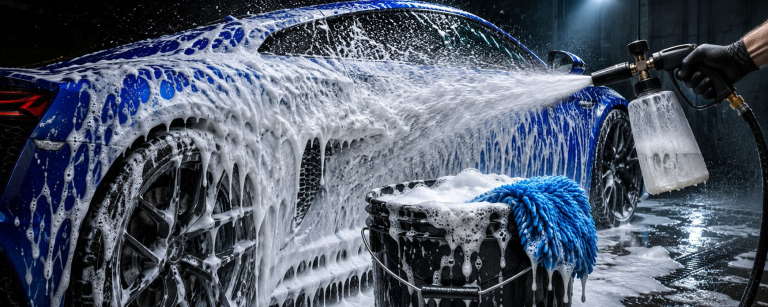 Preview all six shampoos →
Spray protection, maintenance and upcoming wash products.
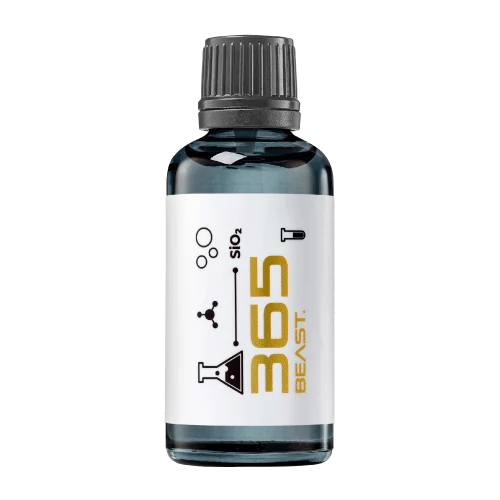 MAINTENANCEBEAST 365Explore the BEAST maintenance range.Discover
Next in washing, cleaning & care.
Ceramic protection for boats and yachts.
An easy-to-apply ceramic coating with an established track record on boats and yachts around the world.
Results vary with surface preparation, exposure and maintenance.
Read 50 MARINE guides →Explore MARINEProtection for the surfaces you live with.
A look at what we’re developing.
From cutting and one-step correction to final finishing.
A wider range for professional vehicle care.
Taking shape alongside BEAST & MATRIX.
Practical guidance for your next coating project.
Explore all guides →
Use an idealized Stokes-law calculation to explore particle size, density difference and viscosity, while recognizing why a real car-care product needs measured stability evidence.
Updated · NANOLAB Knowledge
Stokes’ law is a useful first model for asking how particle or droplet size, density difference and liquid viscosity influence gravitational separation. For a formulated car-care dispersion, it is a sensitivity calculation rather than a direct prediction of bottle shelf life.
For an ideal isolated sphere moving slowly through a Newtonian liquid, the magnitude of terminal velocity is v = 2r²|Δρ|g/(9η). Here r is radius in metres, Δρ is the density difference in kg/m³, g is gravitational acceleration and η is dynamic viscosity in Pa·s. Use the density difference to determine whether the dispersed material tends to rise or settle.
The IFSCC emulsion monograph discusses the model and stresses its limitations for concentrated, interacting droplets. Real formulations can depart from the ideal picture through size distributions, aggregation, non-Newtonian behaviour and structural effects.
Assume r = 1 micrometre = 1 × 10⁻⁶ m, |Δρ| = 100 kg/m³, η = 0.010 Pa·s and g = 9.81 m/s². These are hypothetical teaching inputs, not a NANOLAB formula or a measured product model.
v = [2 × (1 × 10−6)² × 100 × 9.81] ÷ (9 × 0.010) = 2.18 × 10⁻⁸ m/s.
Multiplying by 86,400 seconds per day and 1,000 millimetres per metre gives approximately 1.88 mm/day. The result describes the stated ideal model; it is not a measured separation boundary in a bottle.
| Hypothetical change | Modelled rate relative to baseline | Ideal rate |
|---|---|---|
| Baseline | 1× | 1.88 mm/day |
| Radius doubled to 2 µm | 4× | 7.53 mm/day |
| Viscosity doubled to 0.020 Pa·s | 0.5× | 0.94 mm/day |
| Density difference halved | 0.5× | 0.94 mm/day |
The radius-squared relationship suggests checking whether the size distribution changed before blaming a modest viscosity shift. A single average diameter can conceal a larger-size tail. Confirm which size quantity and method were used, and whether sample preparation changed the dispersion.
Likewise, use viscosity relevant to the model and conditions, not an arbitrary reading at a convenient spindle speed. A structured or shear-dependent liquid may not behave like the Newtonian medium assumed above. Increasing a high-shear viscosity reading does not automatically establish better storage behaviour.
Compare controlled preparations using a consistent package and observation schedule. Record separation, redispersibility where relevant, dispensing and the finished product’s intended performance. Avoid changing particle treatment, thickener, emulsifier and manufacturing process simultaneously if the aim is to identify which factor caused an improvement.
Use the calculation to generate a testable question, then assess it with measurements. Analytical centrifugation can provide another controlled comparison, while an appropriate storage programme checks behaviour under the intended conditions. Neither a neat equation nor a visually uniform sample replaces that evidence.
Technical background: IFSCC Monograph 4, Introduction to Cosmetic Emulsions and Emulsification, section 5.3. The worked car-care sensitivity example is original and hypothetical.