
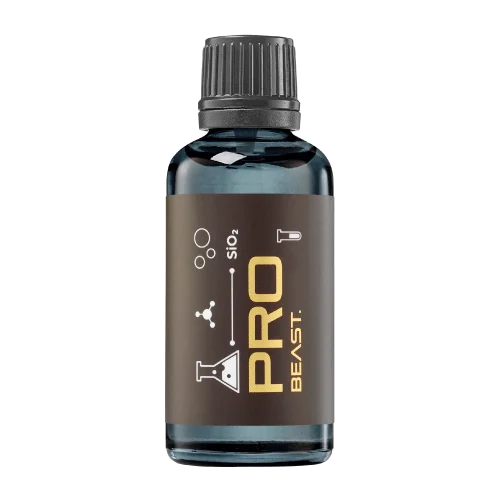
A full polishing range.
From cutting and one-step correction to final finishing.
Specialist chemistry. Expert application.
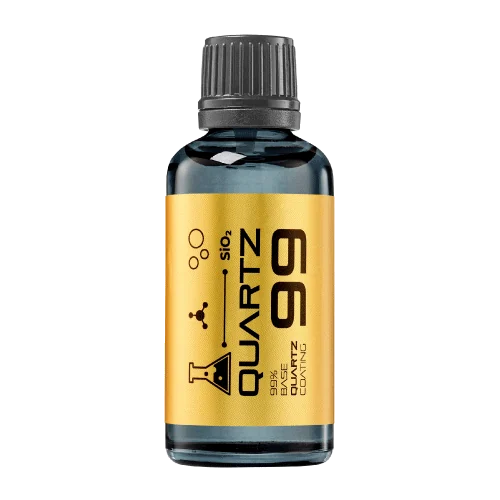 QUARTZ99 / CERAMIC BASE COAT
The foundation of your coating system.
A layerable quartz base coat designed for mechanical protection. Pair it with a suitable top coat to create the final finish.
For application by NANOLAB certified installers only.
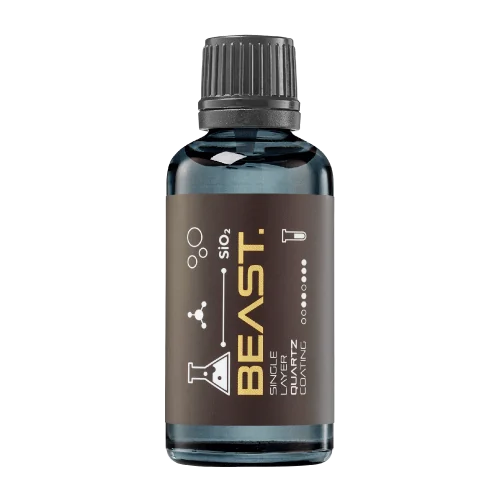
Four formulas. Extended working time. Find the coating for your finish.
Explore the BEAST family of ceramic coatings.
Find the coating for each exterior surface.
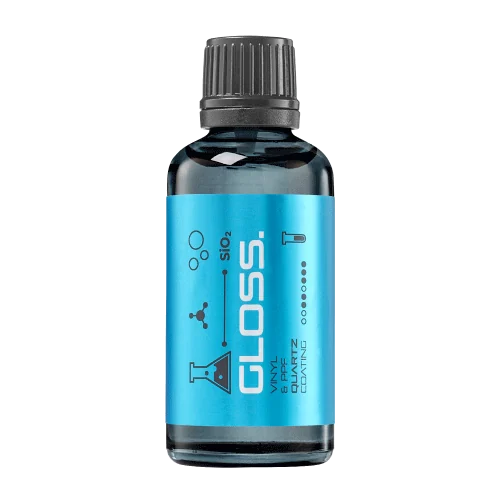 PPF & VINYLGLOSSProtection for glossy films and wraps.Discover
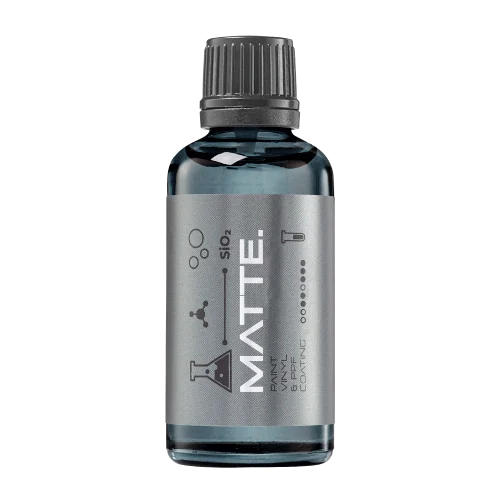 MATTE & SATINMATTEProtection that respects the finish.Discover
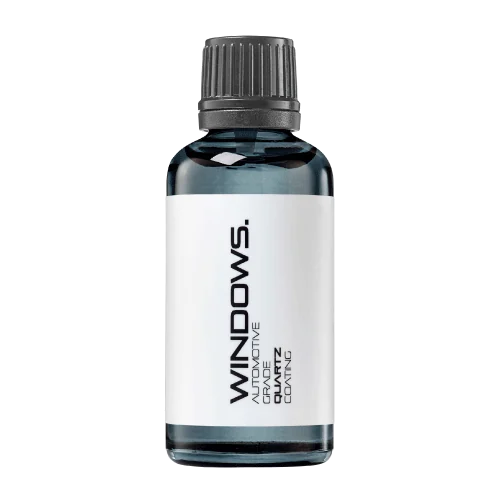 GLASSWINDOWSExplore dedicated glass protection.Discover
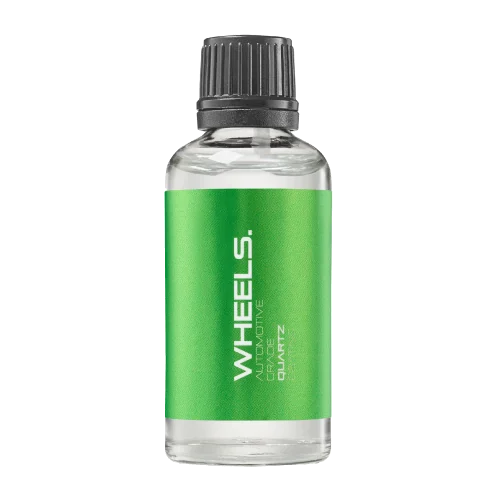 WHEEL PROTECTIONWHEELSA dedicated coating for your wheels.Discover
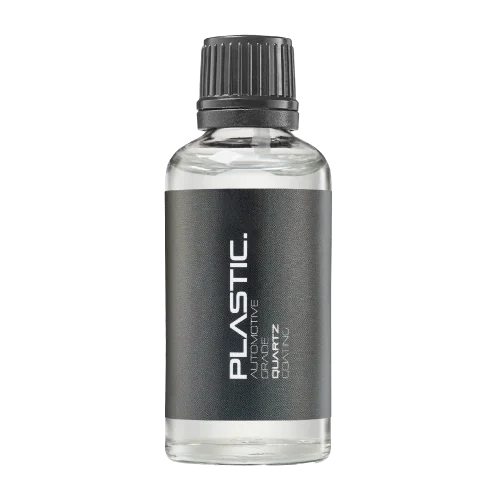 TRIM PROTECTIONPLASTICProtection for plastic surfaces.Discover
Dedicated care for the surfaces inside.
 LEATHER SURFACESLEATHERDiscover NANOLAB leather protection.Discover PLASTIC SURFACESPLASTICProtection for interior plastic surfaces.Discover TEXTILE SURFACESFABRICExplore the latest fabric formulation.Discover
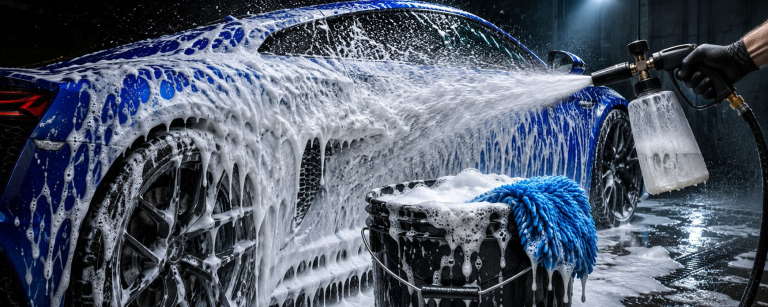 Preview all six shampoos →
Spray protection, maintenance and upcoming wash products.
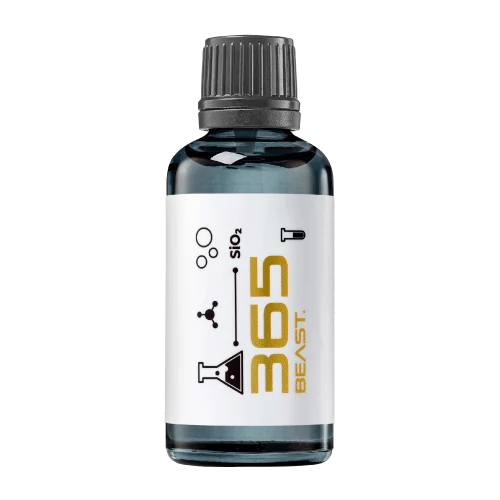 MAINTENANCEBEAST 365Explore the BEAST maintenance range.Discover
Next in washing, cleaning & care.
Ceramic protection for boats and yachts.
An easy-to-apply ceramic coating with an established track record on boats and yachts around the world.
Results vary with surface preparation, exposure and maintenance.
Read 50 MARINE guides →Explore MARINEProtection for the surfaces you live with.
A look at what we’re developing.
From cutting and one-step correction to final finishing.
A wider range for professional vehicle care.
Taking shape alongside BEAST & MATRIX.
Practical guidance for your next coating project.
Explore all guides →
Plan a gravimetric packaging screen with defined closures, controls and sampling. Calculate mass change without treating it as proof of a transport mechanism.
Updated · NANOLAB Knowledge
A sealed bottle that loses mass during storage deserves investigation, but weighing alone does not identify the escape path or the substance lost. A useful packaging study combines a mass record with closure checks, controlled storage and observations of the liquid and package.
Record the bottle material and size, supplier and lot, closure, liner, seal, fill mass and headspace. Include the closing procedure and any relevant torque setting. “Same plastic bottle” is not a complete identity if the cap or liner has changed.
ASTM D2684/D2684M addresses permeability of thermoplastic containers under specified conditions and distinguishes container-specific mass-change results. Its public scope requires a positive leakproof closure. It also cautions against unsupported extrapolation beyond the test conditions. The planning example here is not a reproduction of the standard or a claim of testing to it.
| Comparison | Question it can help investigate |
|---|---|
| Candidate package versus established reference package | Does the complete candidate system behave differently? |
| Same bottle with controlled alternative closure | Could the closure system explain the difference? |
| Empty package stored under the same conditions | Does the package itself show mass change or environmental effects? |
| Retained unopened units for each observation time | What happens without repeated sampling and opening? |
An empty-package control is diagnostic evidence, not an automatic correction to subtract. Product contact can change the package’s behaviour, so an empty container may not represent a filled one. Choose replicate units and an observation schedule adequate for the intended comparison.
Consider a hypothetical package with an initial gross mass of 1,120.00 g and a measured gross mass of 1,118.60 g after 28 days. The gross loss is 1.40 g, averaging 0.050 g per day over that interval. If the initial liquid fill was 1,000.00 g, the observed loss is equivalent to 0.14% of the initial fill mass.
That final percentage is a normalization basis. It does not prove that all 1.40 g came from the liquid or that the loss rate will stay constant. Report the actual time series rather than multiplying one short interval into a one-year prediction.
Use a suitable verified balance and a consistent conditioning and weighing procedure. Record whether the package exterior was wet, dusty or visibly contaminated. Avoid opening the units being tracked for sealed-package mass change; use separate specimens when destructive checks are necessary.
Storage temperature, humidity, orientation and handling should be documented. Select equipment and conditions compatible with the liquid’s safety information, particularly for volatile or flammable products. A damaged seal or visible leak should be recorded as an observed failure, not quietly treated as ordinary wall permeation.
After storage, assess the relevant liquid properties and dispensing behaviour using an agreed method. A small mass change does not establish chemical stability, and unchanged gross mass does not establish that nothing has entered or left the system.
Combine the study with a justified stability programme before making a shelf-life claim. Preserve the exact package configuration: a conclusion about one bottle-and-closure combination should not silently become a conclusion about every pack size.
Scope reference: ASTM D2684/D2684M-24. Obtain and follow the complete applicable method if a formal standards-based result is required.