
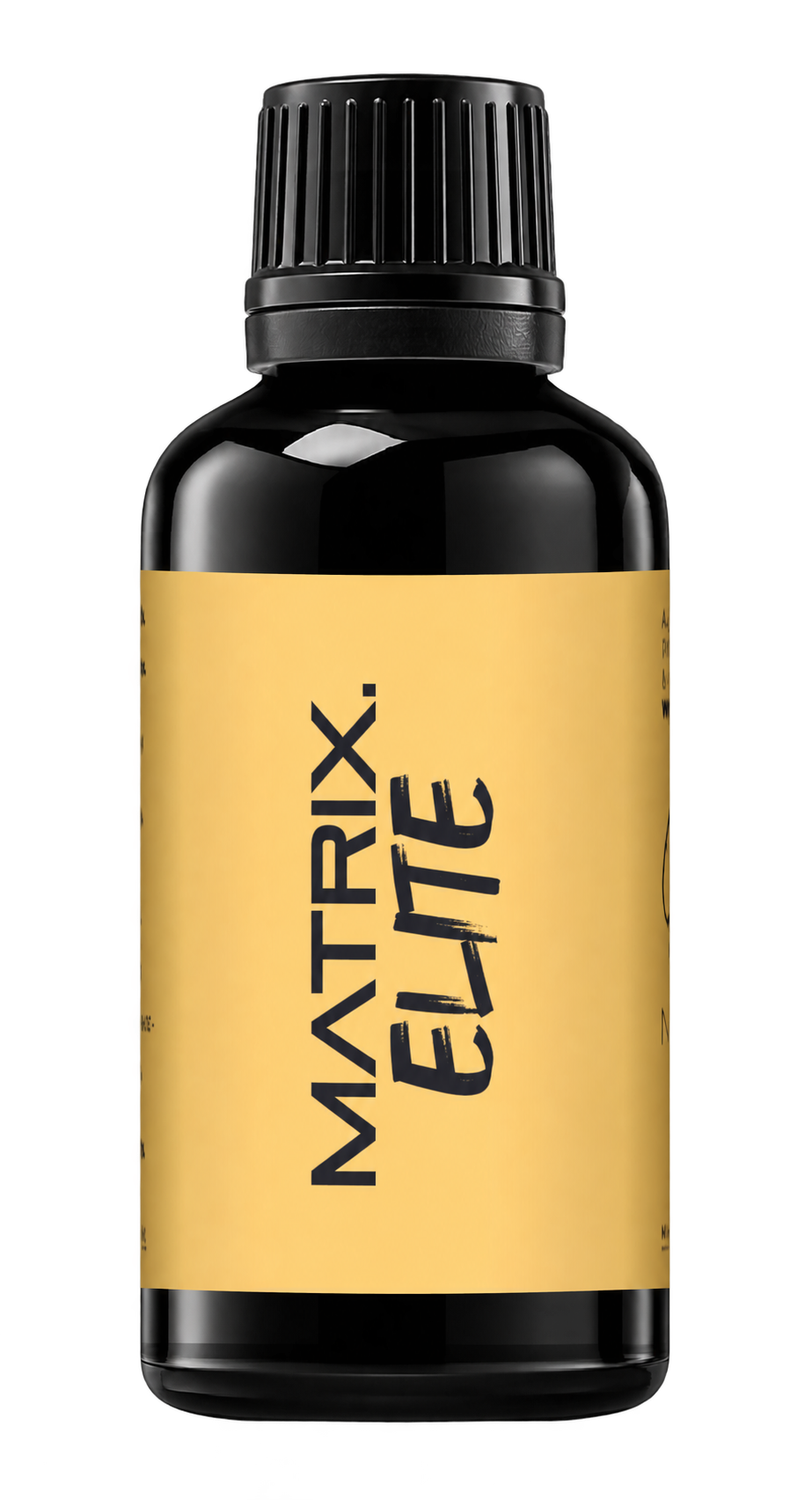
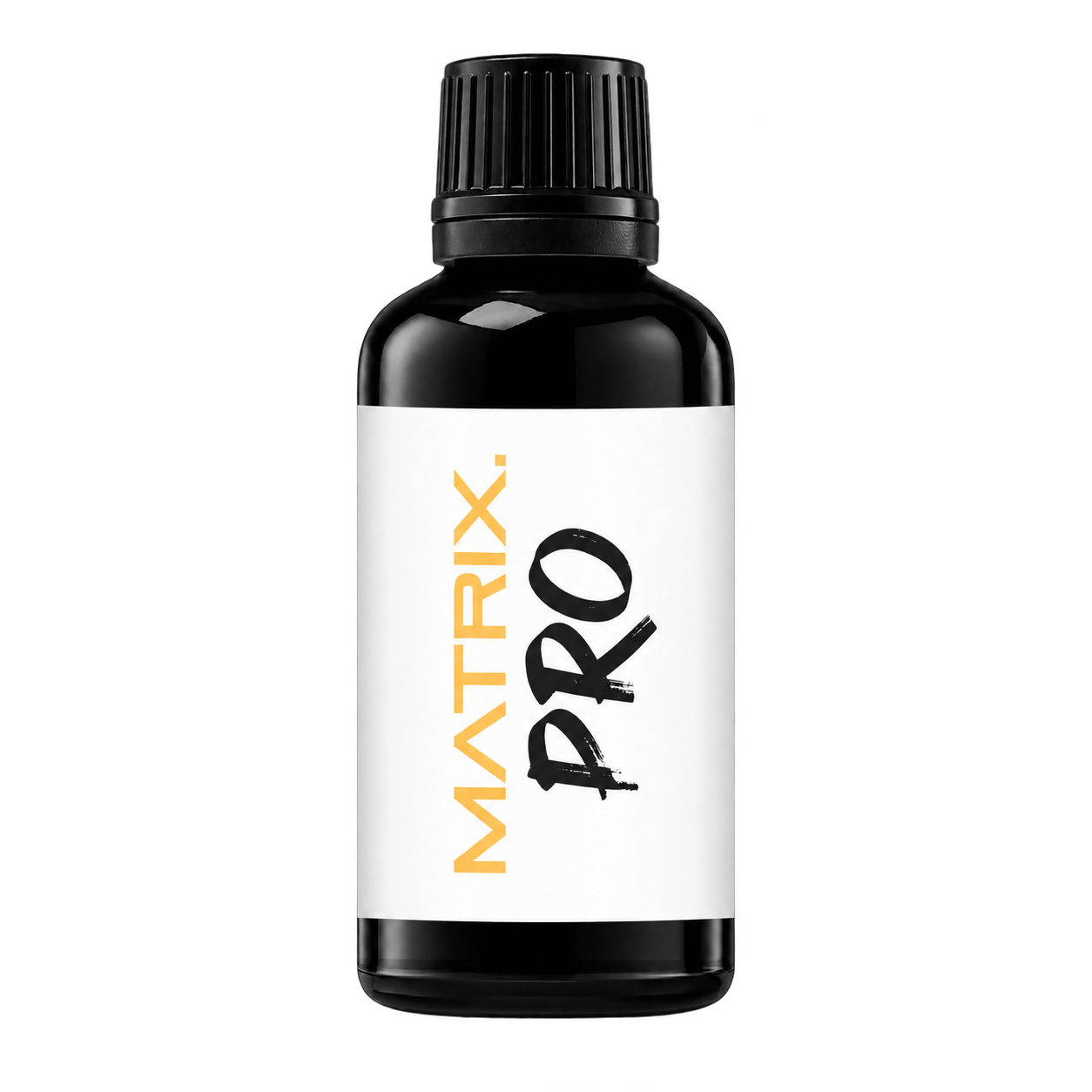
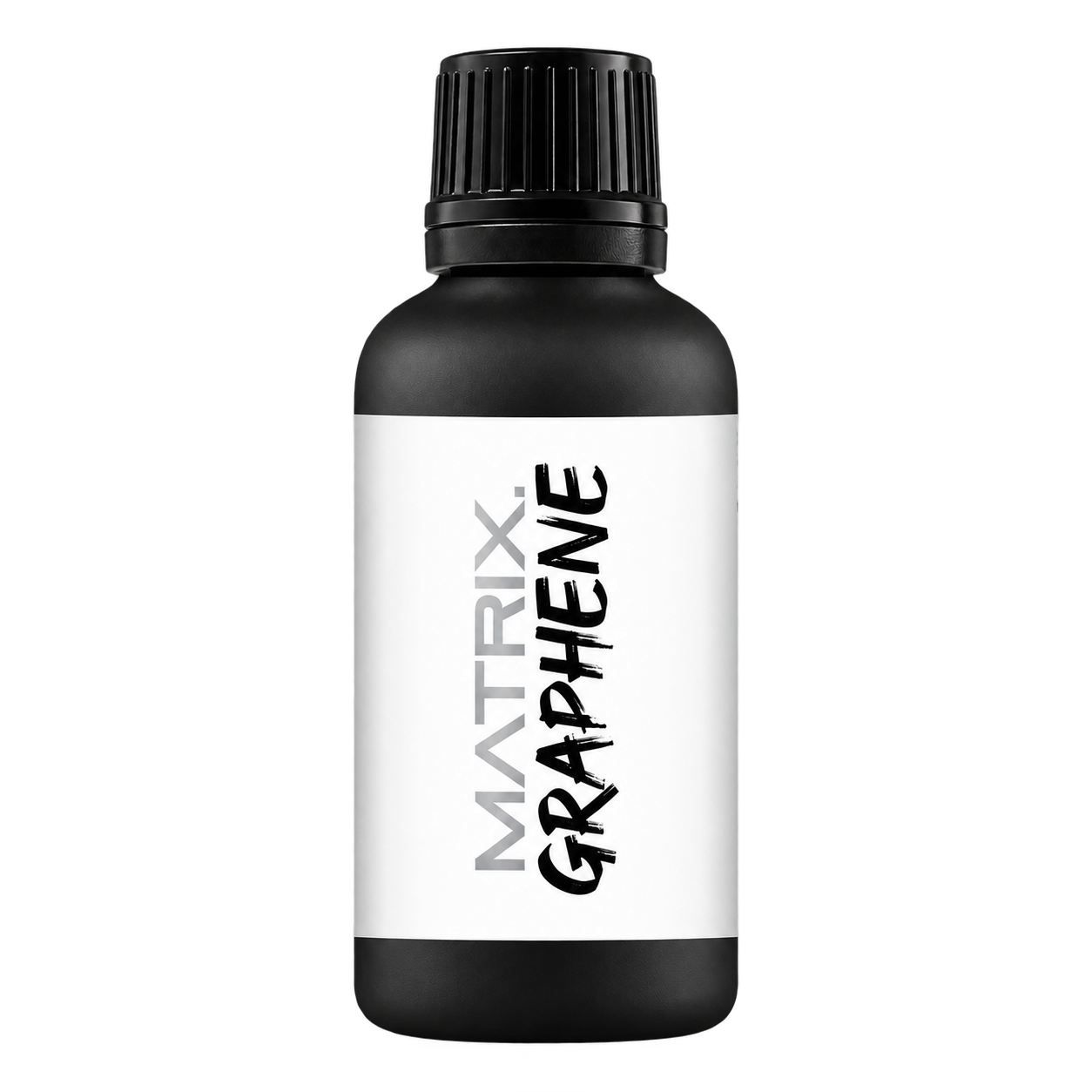
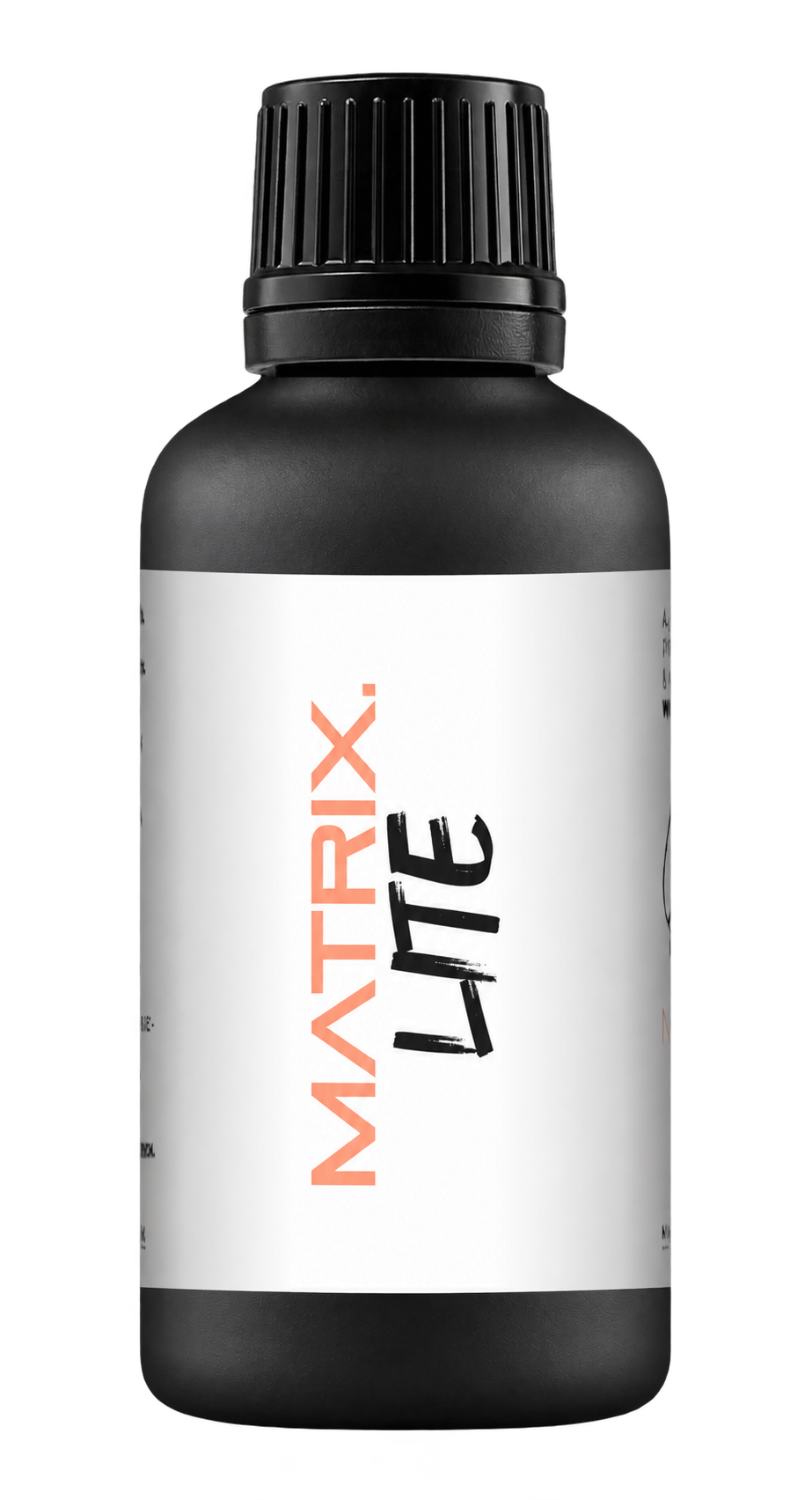
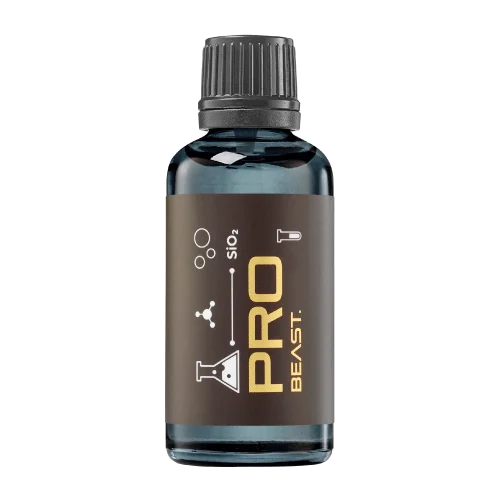
A full polishing range.
From cutting and one-step correction to final finishing.
Specialist chemistry. Expert application.
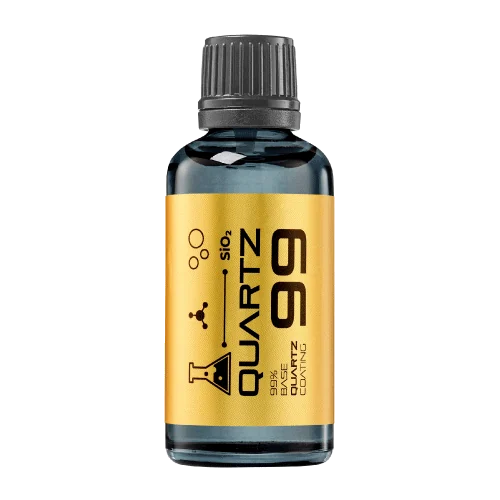 QUARTZ99 / CERAMIC BASE COAT
The foundation of your coating system.
A layerable quartz base coat designed for mechanical protection. Pair it with a suitable top coat to create the final finish.
For application by NANOLAB certified installers only.
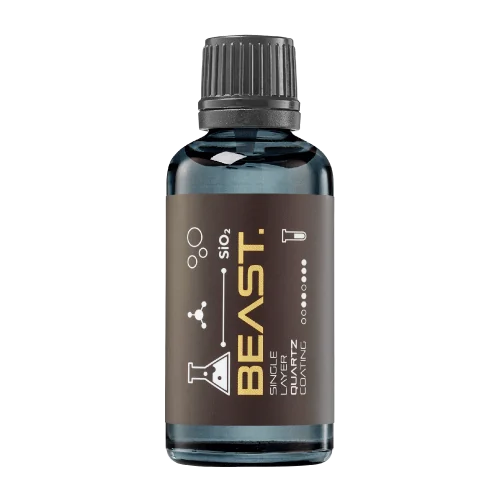
Four formulas. Extended working time. Find the coating for your finish.
Explore the BEAST family of ceramic coatings.
Find the coating for each exterior surface.
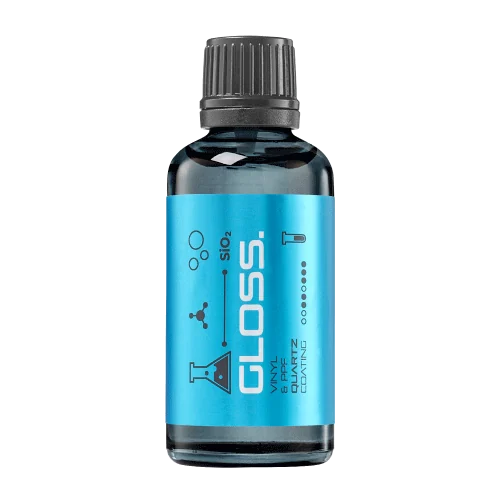 PPF & VINYLGLOSSProtection for glossy films and wraps.Discover
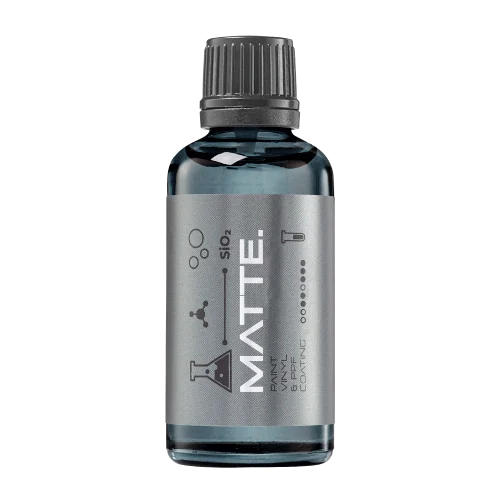 MATTE & SATINMATTEProtection that respects the finish.Discover
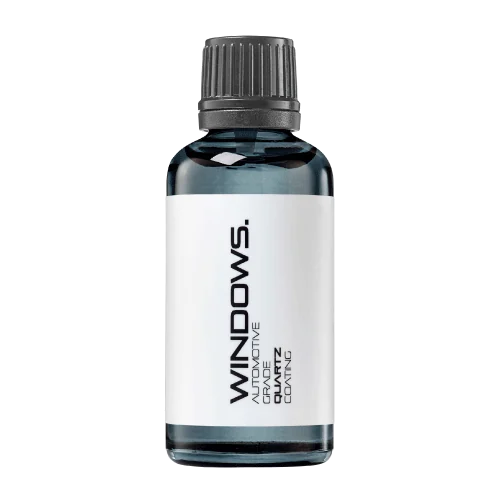 GLASSWINDOWSExplore dedicated glass protection.Discover
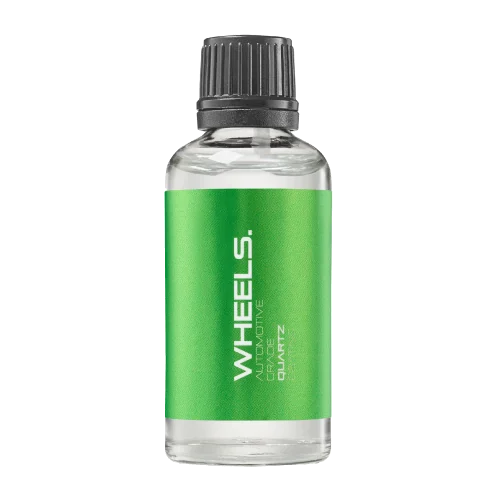 WHEEL PROTECTIONWHEELSA dedicated coating for your wheels.Discover
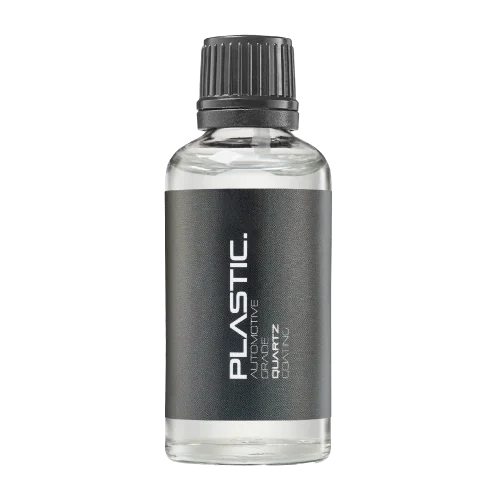 TRIM PROTECTIONPLASTICProtection for plastic surfaces.Discover
Dedicated care for the surfaces inside.
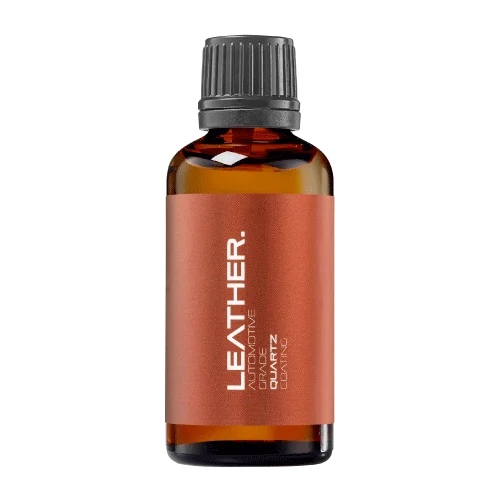 LEATHER SURFACESLEATHERDiscover NANOLAB leather protection.Discover PLASTIC SURFACESPLASTICProtection for interior plastic surfaces.Discover TEXTILE SURFACESFABRICExplore the latest fabric formulation.Discover
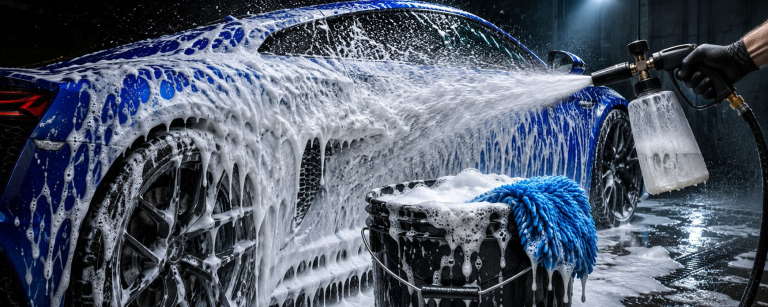 Preview all six shampoos →
Spray protection, maintenance and upcoming wash products.
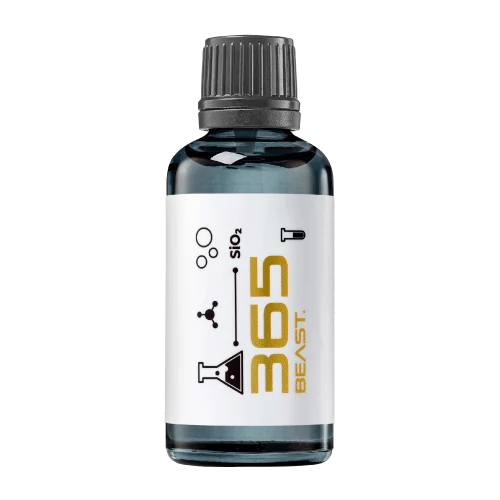 MAINTENANCEBEAST 365Explore the BEAST maintenance range.Discover
Next in washing, cleaning & care.
Ceramic protection for boats and yachts.
An easy-to-apply ceramic coating with an established track record on boats and yachts around the world.
Results vary with surface preparation, exposure and maintenance.
Read 50 MARINE guides →Explore MARINEProtection for the surfaces you live with.
A look at what we’re developing.
From cutting and one-step correction to final finishing.
A wider range for professional vehicle care.
Taking shape alongside BEAST & MATRIX.
Practical guidance for your next coating project.
Explore all guides →
Prepare a useful ellipsometry request for a thin coating film. Separate measured polarization data, model assumptions and reported thickness.
Updated · NANOLAB Knowledge
Ellipsometry can help characterize thin coating films, but the instrument does not simply read a layer thickness independently of the sample model. A meaningful report connects measured optical data to the substrate, layer structure and assumptions used in the analysis.
J.A. Woollam explains that ellipsometry measures changes in polarization, commonly represented by Psi and Delta. Analysis then uses a model to estimate properties such as film thickness and optical constants. Its guidance also shows why a single-wavelength measurement can admit multiple solutions, and why roughness or an incorrect layer description can matter.
Consequently, “the instrument reported 80 nm” is incomplete. Ask what sample structure was assumed, which parameters were fixed and which were allowed to vary. More digits in the output do not establish that the physical model is correct.
For coating development, first decide whether the question is relative consistency between application methods, change during curing, or an absolute thickness estimate. Those questions may require different controls. A laboratory can advise whether the intended substrate and finish are suitable before samples are prepared.
| Send with the specimen | Why it helps |
|---|---|
| An uncoated reference from the same substrate batch | Helps distinguish substrate behaviour from the added layer |
| Application and wiping records | Connects the tested film to a reproducible process |
| Cure time and environment | Prevents comparing specimens at undocumented stages |
| A map of measurement positions | Makes centre-to-edge or local variation interpretable |
| The decision the result must support | Lets the laboratory choose a defensible scope and analysis |
Imagine that the same optical data give a fitted thickness of 80 nm with one plausible model and 95 nm with another. These fictional values do not prove that the film physically changed by 15 nm. They indicate that the interpretation depends on modelling choices.
Ask the laboratory to explain the evidence supporting each model. An additional measurement, a better-characterized substrate or an independent thickness method may help constrain the interpretation. A lower numerical fit error alone should not be presented as proof that a more elaborate model is physically correct.
A film applied to a laboratory witness substrate may not reproduce the thickness distribution on curved, textured or differently prepared vehicle surfaces. Describe that transfer limitation when using the result in product development.
A thickness estimate does not by itself demonstrate adhesion, scratch resistance, chemical resistance or a service-life claim. Use separate evidence for those questions. Likewise, an optical model of a layer is not a complete identification of its chemistry; FTIR provides a different kind of information.
Instrument-method reference: J.A. Woollam: Ellipsometry FAQ. The submission checklist and numerical scenario above are practical planning examples, not a report of NANOLAB test results.