
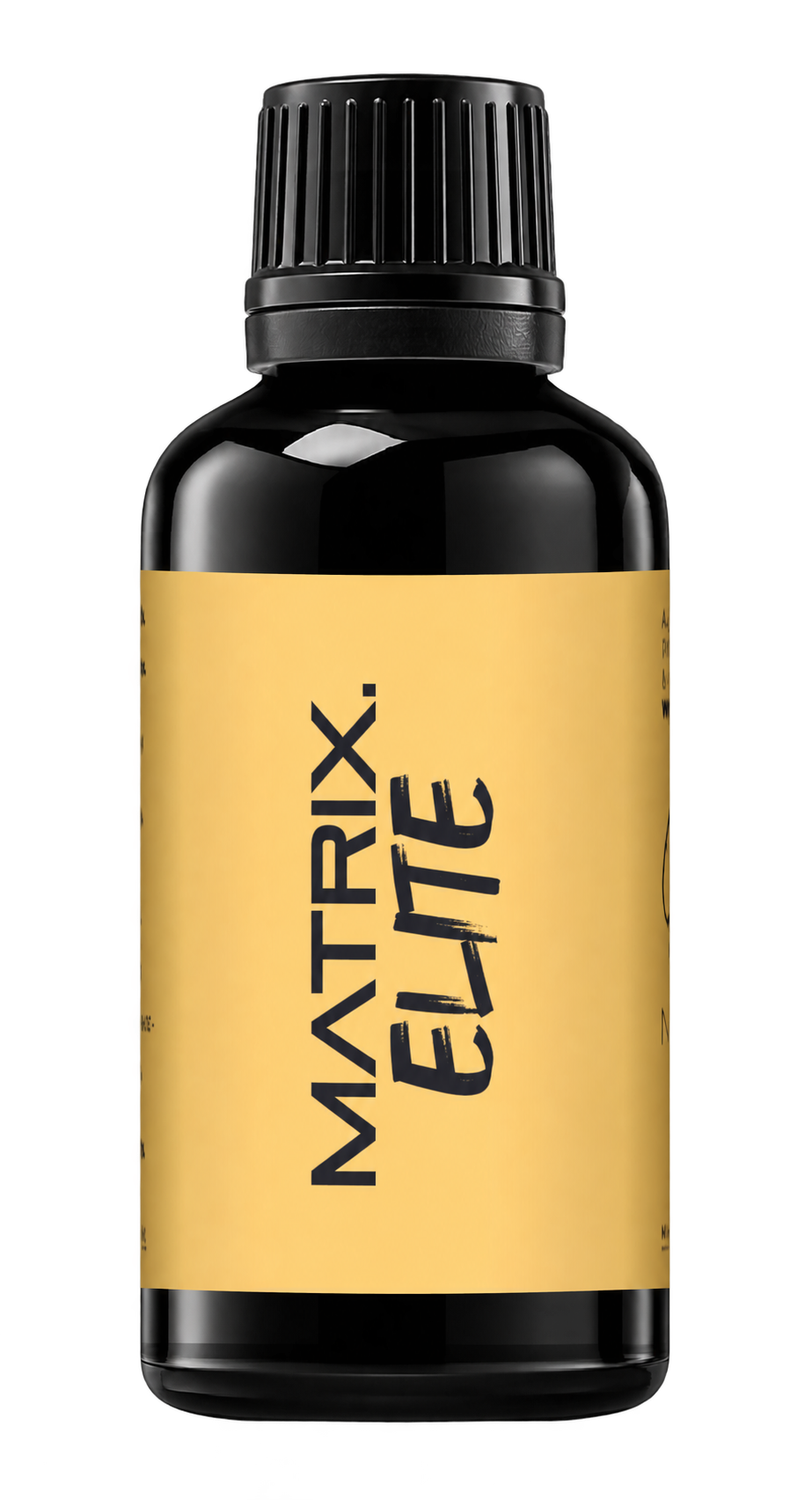

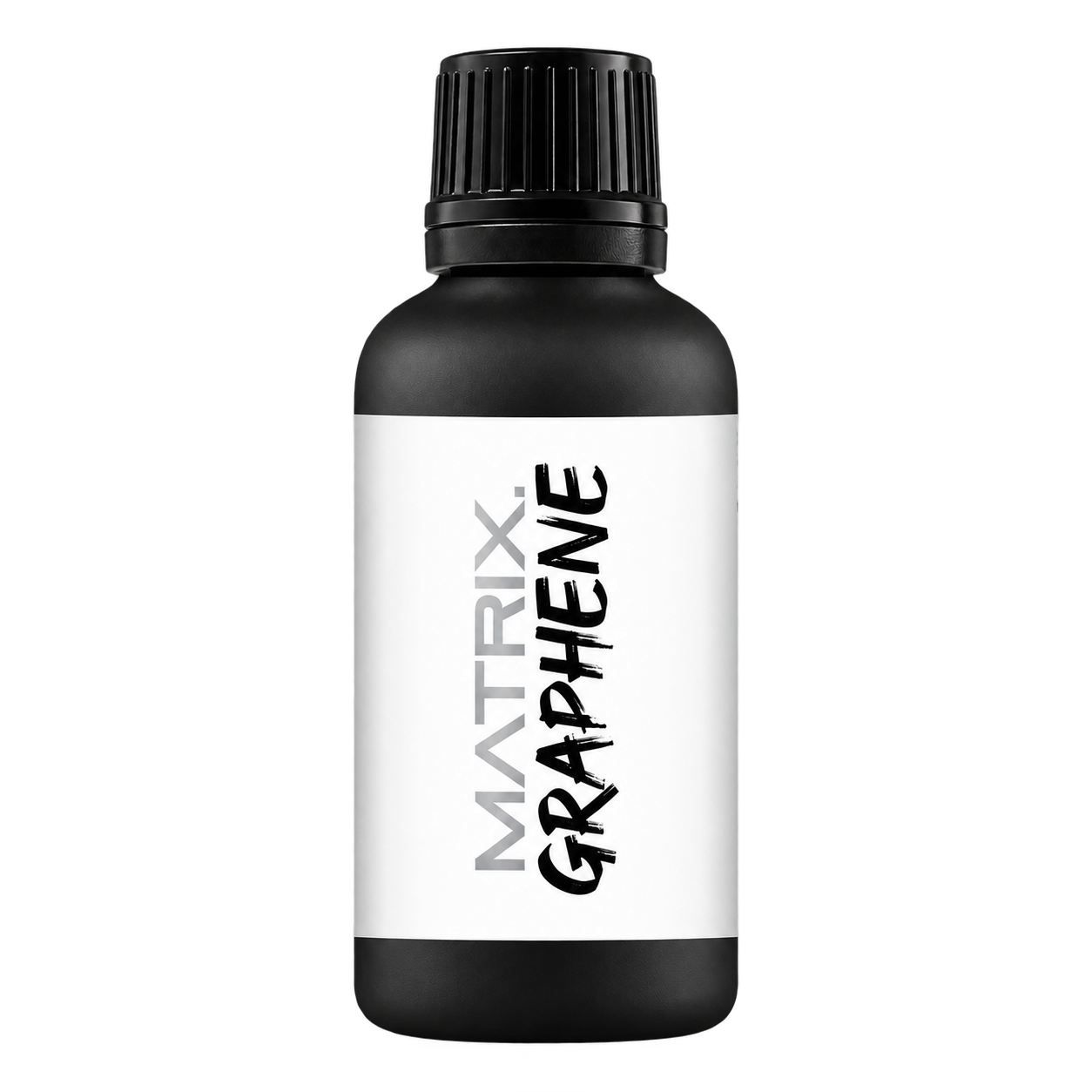
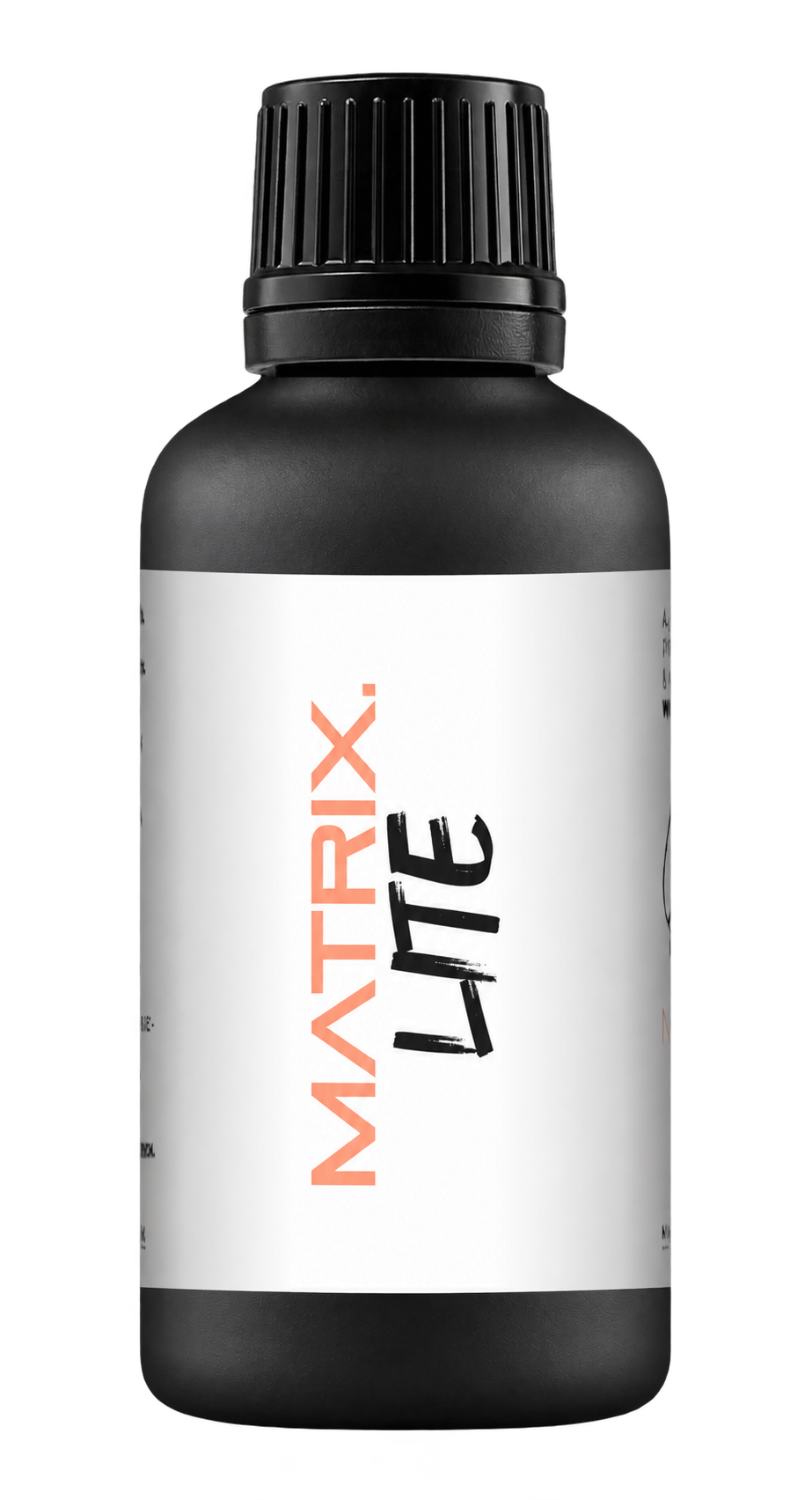


A full polishing range.
From cutting and one-step correction to final finishing.
Specialist chemistry. Expert application.
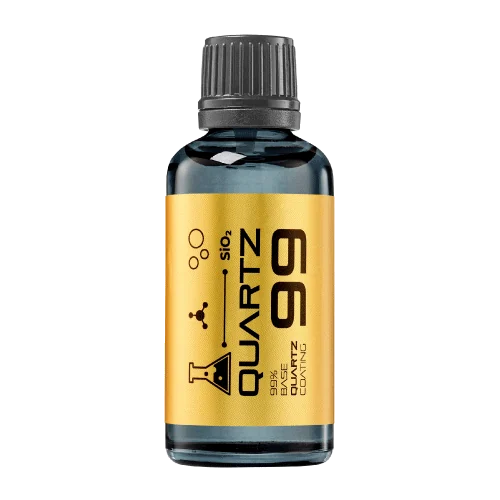 QUARTZ99 / CERAMIC BASE COAT
The foundation of your coating system.
A layerable quartz base coat designed for mechanical protection. Pair it with a suitable top coat to create the final finish.
For application by NANOLAB certified installers only.
Four formulas. Extended working time. Find the coating for your finish.
Explore the BEAST family of ceramic coatings.
Find the coating for each exterior surface.
 PPF & VINYLGLOSSProtection for glossy films and wraps.Discover
 MATTE & SATINMATTEProtection that respects the finish.Discover
 GLASSWINDOWSExplore dedicated glass protection.Discover
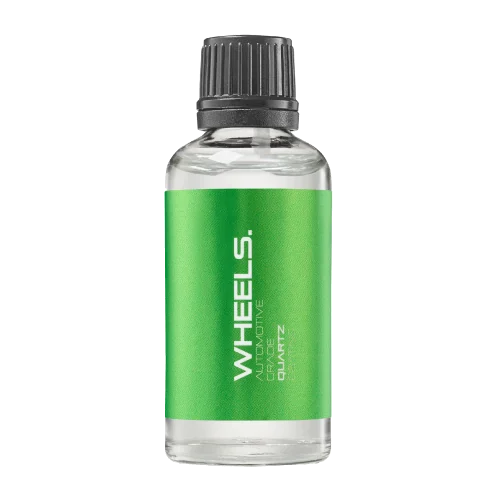 WHEEL PROTECTIONWHEELSA dedicated coating for your wheels.Discover
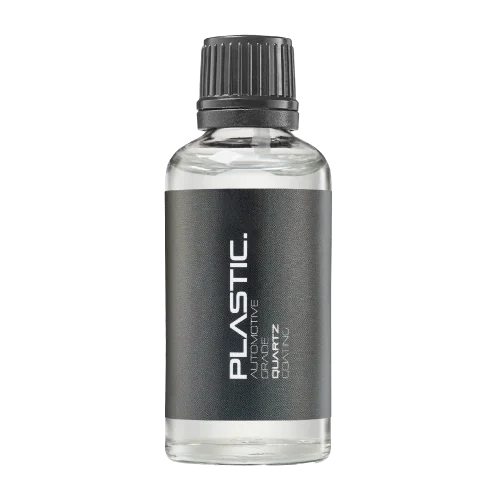 TRIM PROTECTIONPLASTICProtection for plastic surfaces.Discover
Dedicated care for the surfaces inside.
 LEATHER SURFACESLEATHERDiscover NANOLAB leather protection.Discover PLASTIC SURFACESPLASTICProtection for interior plastic surfaces.Discover TEXTILE SURFACESFABRICExplore the latest fabric formulation.Discover
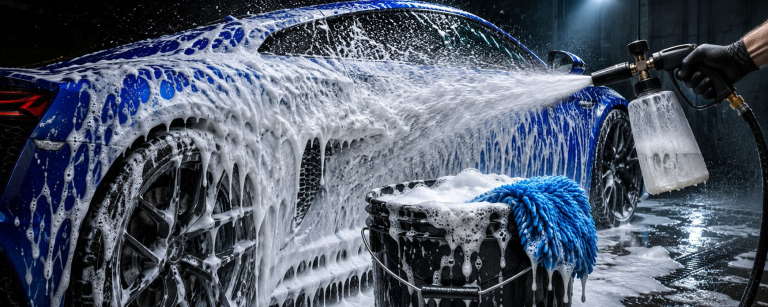 Preview all six shampoos →
Spray protection, maintenance and upcoming wash products.
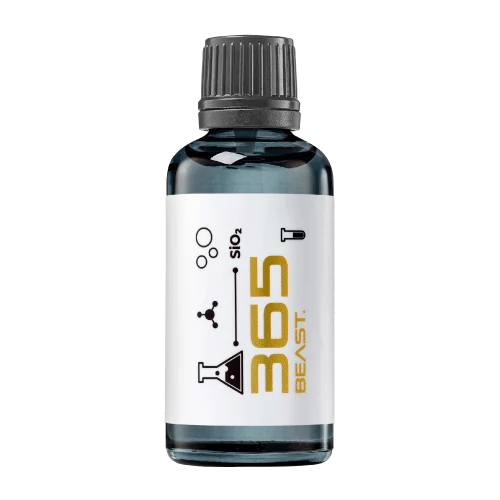 MAINTENANCEBEAST 365Explore the BEAST maintenance range.Discover
Next in washing, cleaning & care.
Ceramic protection for boats and yachts.
An easy-to-apply ceramic coating with an established track record on boats and yachts around the world.
Results vary with surface preparation, exposure and maintenance.
Read 50 MARINE guides →Explore MARINEProtection for the surfaces you live with.
A look at what we’re developing.
From cutting and one-step correction to final finishing.
A wider range for professional vehicle care.
Taking shape alongside BEAST & MATRIX.
Practical guidance for your next coating project.
Explore all guides →
Use a worked tip-speed example and a pilot checklist to evaluate mixing, uniformity, transfer, filling and finished-shampoo performance.
Updated · NANOLAB Knowledge
Scaling a car-shampoo batch requires more than multiplying ingredient masses. Mixer geometry, liquid movement, addition rate, temperature and air entrainment can change with batch size. Matching revolutions per minute between two machines does not establish an equivalent process, and matching tip speed alone does not prove it either.
For a rotating element with diameter D in metres and speed N in revolutions per minute, peripheral tip speed is π × D × N ÷ 60 in metres per second. The equation describes motion at the perimeter; it is not a complete model of mixing or shear throughout the vessel.
For illustration, a 0.04 m element at 3,000 RPM has a tip speed of approximately 6.28 m/s. A 0.12 m element at the same RPM has a tip speed of approximately 18.85 m/s. Matching the first tip speed on the larger element would mean 1,000 RPM. None of these illustrative values is an operating recommendation.
Silverson’s scale-up guidance identifies several relevant factors, including workhead design, power, turnover and rheology, and cautions against a single universal rule for rotor/stator mixing. Apply equipment-specific advice to the actual process.
Start with product and process acceptance criteria. A larger batch should meet the intended composition, appearance, flow, stability and use-performance requirements. It should also be produced within approved equipment and handling limits. Equal mixing time or equal RPM is only an input setting, not evidence of that outcome.
| Process feature | Record at both scales | Potential question |
|---|---|---|
| Geometry | Vessel, mixer element, working level and placement | Does the whole batch circulate adequately? |
| Addition | Sequence, rate, entry point and carrier | Do local concentrations create difficult mixing? |
| Temperature | Starting conditions and profile | Does the larger process change the material’s history? |
| Air | Foam, bubbles, settling and density observations | Does filling or quality measurement become inconsistent? |
| Endpoint | Representative samples and defined methods | Has the desired uniformity been demonstrated? |
Write down the acceptable range and stopping conditions before the run. Decide which measurements will be collected during processing and which require conditioned samples. Choose representative sampling positions through a safe procedure designed for the plant.
For example, if top, middle and lower samples have materially different results under the same measurement method, one attractive sample should not stand in for the tank. Investigate the process and sampling method before deciding that additional mixing is the answer. Keep the unaltered results alongside any later successful repeat.
Use independent pilot batches to check reproducibility. Several bottles filled from one batch provide information about that batch and filling run; they do not replace several independently manufactured batches.
The process does not end when the mixer stops. Record hold time, transfer conditions and the filling setup. Compare early, middle and late filled units using the relevant checks. Changes that appear after transfer may not be visible in a laboratory beaker.
Measure density and flow under defined conditions when they affect filling or dispensing. An apparent density change in a bubbly sample should prompt an air-entrapment check, not an immediate recipe correction. Product should be handled according to its approved process; do not introduce unvalidated antifoams or other additives to solve a filling problem.
A production batch can meet several convenient release numbers while still behaving differently at its use dilution. Compare the pilot product with the approved reference for mixing, cleaning, rinsing and dry appearance. Preserve water, dose and application conditions so the comparison is interpretable.
The shampoo comparison guide provides a useful structure. Record any differences before approving the process, rather than assuming that matched pH and viscosity guarantee matched performance.
A production handover should include the approved materials, process sequence, equipment configuration, measurement methods, acceptance criteria and response to deviations. Store the pilot evidence with the product’s development brief. That gives future batches a defined reference and makes a later supplier or equipment change easier to assess.