
A full polishing range.
From cutting and one-step correction to final finishing.
Specialist chemistry. Expert application.
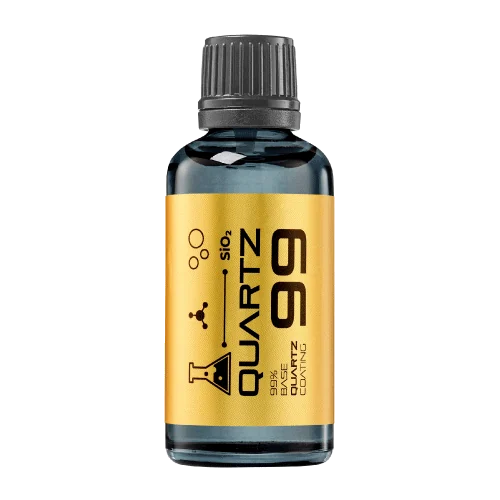 QUARTZ99 / CERAMIC BASE COAT
The foundation of your coating system.
A layerable quartz base coat designed for mechanical protection. Pair it with a suitable top coat to create the final finish.
For application by NANOLAB certified installers only.
Four formulas. Extended working time. Find the coating for your finish.
Explore the BEAST family of ceramic coatings.
Find the coating for each exterior surface.
 PPF & VINYLGLOSSProtection for glossy films and wraps.Discover
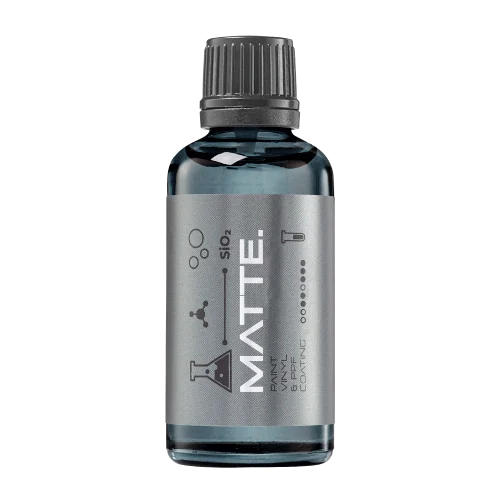 MATTE & SATINMATTEProtection that respects the finish.Discover
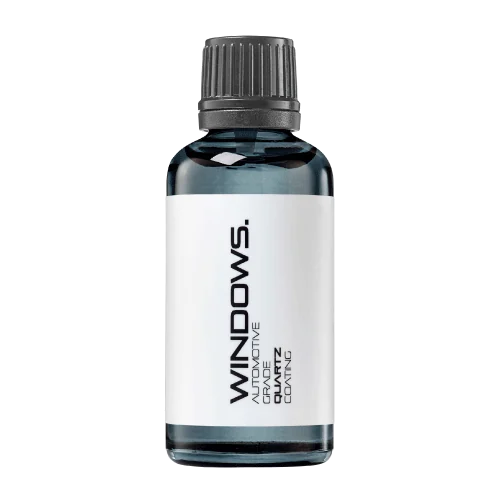 GLASSWINDOWSExplore dedicated glass protection.Discover
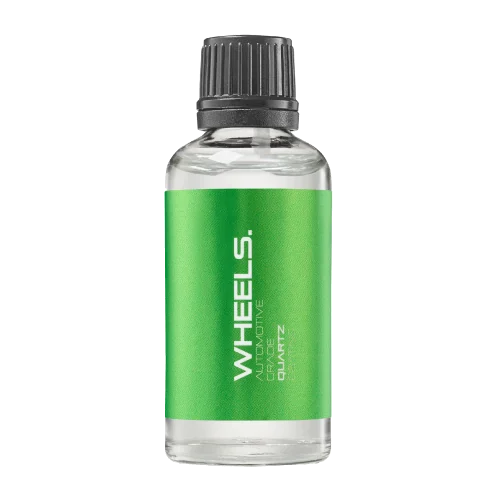 WHEEL PROTECTIONWHEELSA dedicated coating for your wheels.Discover
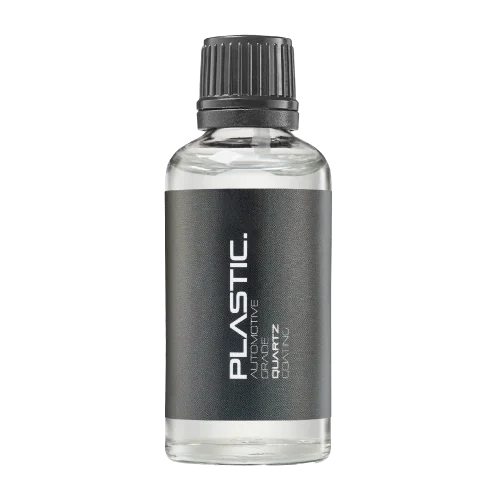 TRIM PROTECTIONPLASTICProtection for plastic surfaces.Discover
Dedicated care for the surfaces inside.
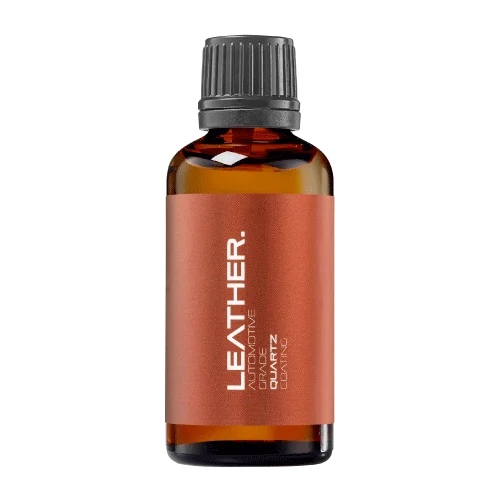 LEATHER SURFACESLEATHERDiscover NANOLAB leather protection.Discover PLASTIC SURFACESPLASTICProtection for interior plastic surfaces.Discover TEXTILE SURFACESFABRICExplore the latest fabric formulation.Discover
Spray protection, maintenance and upcoming wash products.
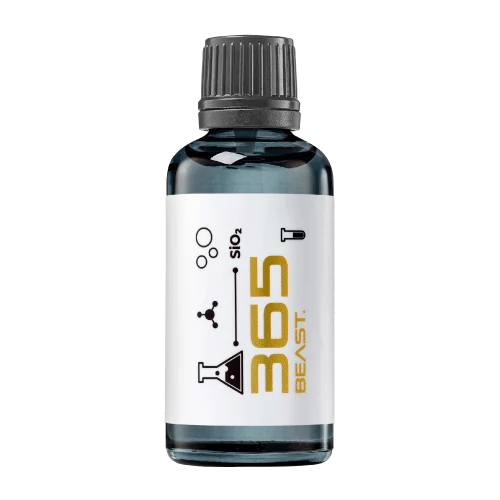 MAINTENANCEBEAST 365Explore the BEAST maintenance range.Discover
Next in washing, cleaning & care.
Ceramic protection for boats and yachts.
An easy-to-apply ceramic coating with an established track record on boats and yachts around the world.
Results vary with surface preparation, exposure and maintenance.
Read 50 MARINE guides →Explore MARINEProtection for the surfaces you live with.
A look at what we’re developing.
From cutting and one-step correction to final finishing.
A wider range for professional vehicle care.
Taking shape alongside BEAST & MATRIX.
Practical guidance for your next coating project.
Explore all guides →
Investigate uneven coating wipe-off by mapping airflow around the workpiece while preserving required ventilation and the approved application conditions.
Updated · NANOLAB Knowledge
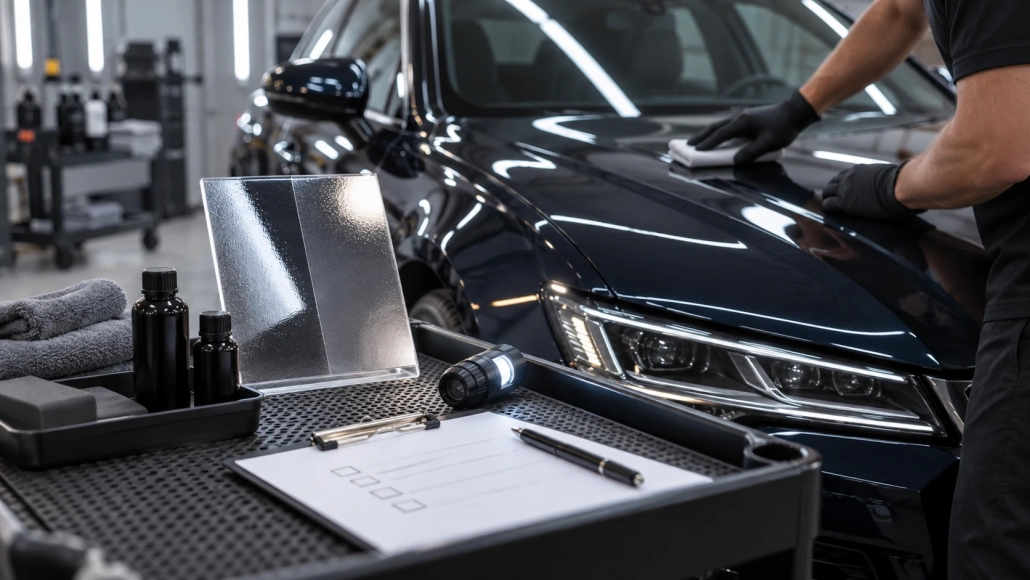
One side of a panel wipes cleanly while another becomes difficult sooner, even though the same bottle and towels are used. Air movement is one variable worth checking. The correct response is a controlled process review that preserves required ventilation, not switching off extraction to make the product easier to apply.
Record the panel position relative to supply vents, extraction, open doors and portable fans. Note ambient and surface conditions using suitable instruments. A single room reading may miss differences around the actual workpiece. Also record application order: the first area treated may have a longer elapsed time before wiping than the last.
Use the product’s supported application conditions and work on an appropriate test surface. Match preparation, product amount, section size, applicator condition and towel sequence. Have one operator follow a written sequence initially so changes in technique do not become another hidden variable.
| Area | Conditions to compare |
|---|---|
| Near incoming air | Local airflow exposure, panel condition and wiping observation |
| Sheltered side | The same records at the same process stage |
| First section applied | Actual elapsed time before wiping |
| Last section applied | Whether timing or applicator loading also changed |
In an illustrative workshop check, repeat the supported process on comparable test panels with the application order reversed. If difficulty follows the first-applied section, timing deserves attention. If it follows a location in the bay despite the reversed order, investigate the local environment. More than one factor may be involved.
Do not infer a universal cure mechanism from wiping feel alone. Solvent loss, product chemistry, application thickness and the surface condition can all matter. Record what happened, then use the supplier’s technical guidance to interpret it.
Possible process changes include repositioning the workpiece within an approved bay, choosing smaller sections, improving timing records or correcting an unbalanced work sequence. Any ventilation change must remain consistent with the product safety information and the facility’s requirements. If the environment cannot support the application, postpone or relocate the job appropriately.
Do not compensate for difficult wiping by adding unapproved solvents, excessive product or uncontrolled heating. Those changes create a new process whose compatibility and result have not been established.
Inspect the result after the required process stages, using lighting that reveals streaks and unevenness. Ease of wiping is one observation; acceptable appearance and the prescribed cure conditions are separate requirements. Preserve the comparison record even if the adjustment seems obvious.
The final operating note should identify the suitable work location, section sequence and conditions to monitor. That gives the next installer a repeatable process instead of a vague instruction to “work faster near the door.”
Discuss your surface and intended use with NANOLAB. Follow the current instructions for the exact product when planning application and care.
Compare coating wipe-off effort using a fixed area, towel protocol and accepted finish instead of a vague easy-to-buff rating.
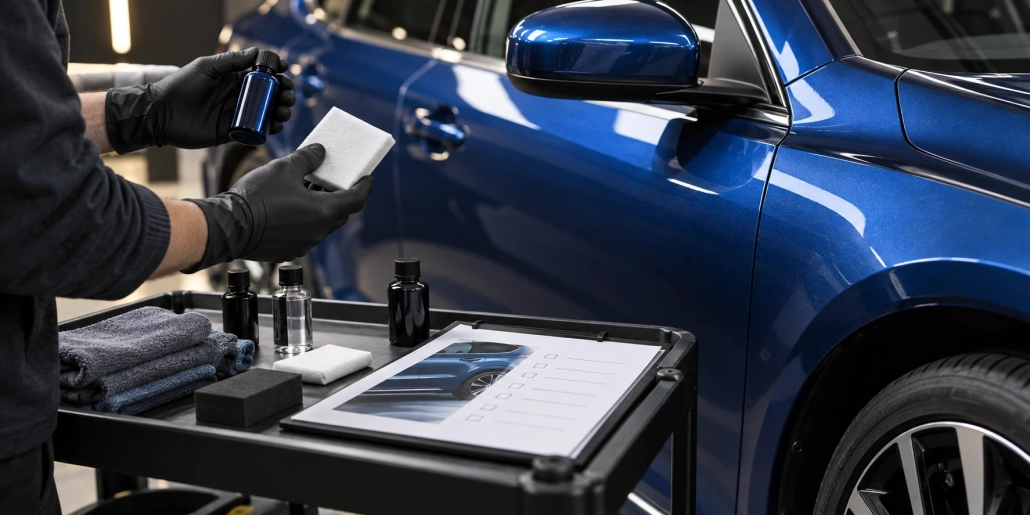
Organise preparation, application, levelling and curing around the exact coating instructions so each stage has a clear completion check.

 A Shower Glass Coating Trial when Only One Bathroom Is Available