






A full polishing range.
From cutting and one-step correction to final finishing.
Specialist chemistry. Expert application.
 QUARTZ99 / CERAMIC BASE COAT
The foundation of your coating system.
A layerable quartz base coat designed for mechanical protection. Pair it with a suitable top coat to create the final finish.
For application by NANOLAB certified installers only.
Four formulas. Extended working time. Find the coating for your finish.
Explore the BEAST family of ceramic coatings.
Find the coating for each exterior surface.
 PPF & VINYLGLOSSProtection for glossy films and wraps.Discover
 MATTE & SATINMATTEProtection that respects the finish.Discover
 GLASSWINDOWSExplore dedicated glass protection.Discover
 WHEEL PROTECTIONWHEELSA dedicated coating for your wheels.Discover
 TRIM PROTECTIONPLASTICProtection for plastic surfaces.Discover
Dedicated care for the surfaces inside.
 LEATHER SURFACESLEATHERDiscover NANOLAB leather protection.Discover PLASTIC SURFACESPLASTICProtection for interior plastic surfaces.Discover TEXTILE SURFACESFABRICExplore the latest fabric formulation.Discover
Spray protection, maintenance and upcoming wash products.
 MAINTENANCEBEAST 365Explore the BEAST maintenance range.Discover
Next in washing, cleaning & care.
Ceramic protection for boats and yachts.
An easy-to-apply ceramic coating with an established track record on boats and yachts around the world.
Results vary with surface preparation, exposure and maintenance.
Read 50 MARINE guides →Explore MARINEProtection for the surfaces you live with.
A look at what we’re developing.
From cutting and one-step correction to final finishing.
A wider range for professional vehicle care.
Taking shape alongside BEAST & MATRIX.
Practical guidance for your next coating project.
Explore all guides →
Include seam and trim cleanup when comparing compounds so a fast cutting stage does not hide a slower complete paint-correction process.
Updated · NANOLAB Knowledge
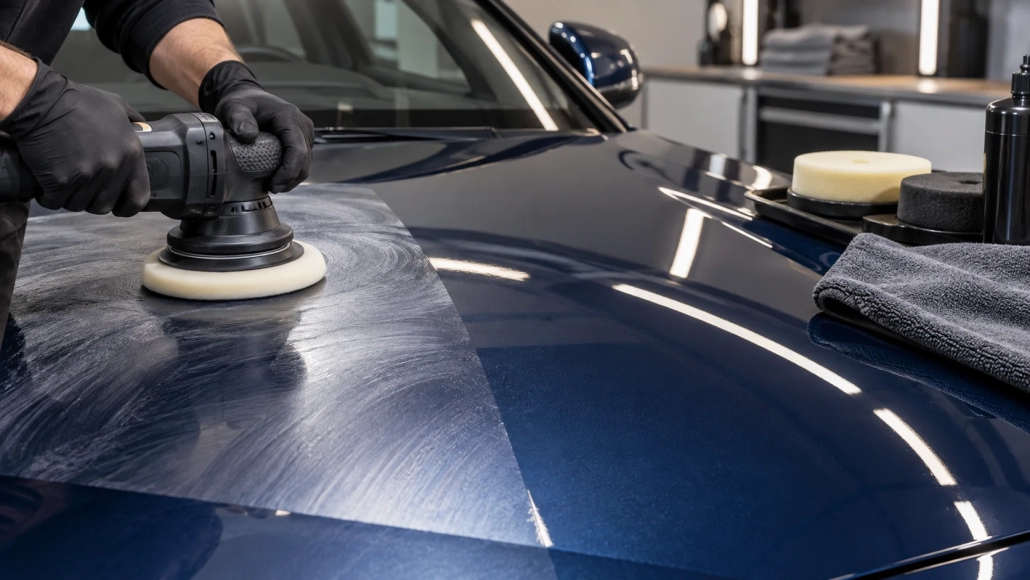
A compound can correct quickly on an open panel and still create substantial cleanup in seams and adjacent trim. The useful comparison includes the vehicle as an assembly, not just the polished square.
Record preparation, supported protection of adjacent materials, cutting, refinement, residue removal and final inspection. Use compatible masking and tools where appropriate. Do not assume all trim tolerates the same cleanup chemistry.
For an illustrative test, system A takes 12 minutes to cut and 8 minutes to clean and refine. System B takes 15 minutes to cut and 3 minutes to finish. The totals are 20 and 18 minutes respectively. The faster cutting stage did not produce the faster completed task.
| Time category | Include |
|---|---|
| Polishing | All required correction and refining |
| Cleanup | Seams, trim and broad surfaces |
| Rework | Additional work needed for acceptance |
Some trapped material becomes visible after component movement or later wiping. Include the relevant final check rather than closing the job immediately after the broad panel looks clean.
A better protection method or application technique may reduce cleanup without changing the compound. Trial justified changes separately so the improvement can be reproduced.
Do not scrape or use aggressive solvents on delicate trim merely to recover a favourable time result. The accepted process must preserve adjacent materials as well as deliver corrected paint.
Ask NANOLAB about your surface and intended use. For application and care, use the current instructions for the exact product.
Choose a polishing process by testing defect removal, finishing quality and clear-coat preservation rather than counting steps alone.
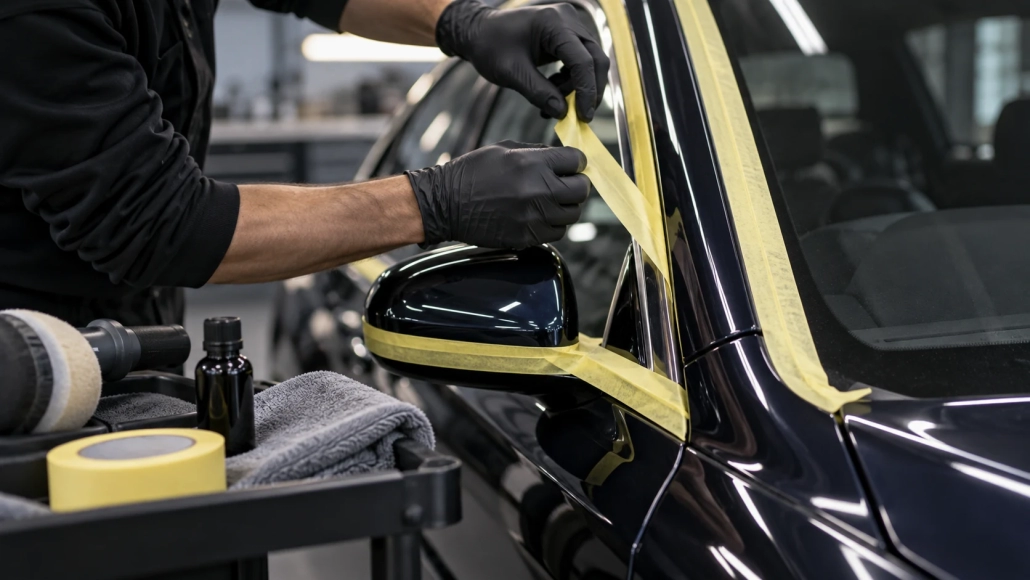
Protect sensitive trim during polishing and remove residue using a compatible method without treating unpainted plastic like the adjacent paint.
Treat a backing-plate change as a polishing-system change and recheck the result before comparing it with an earlier compound or pad trial.
 Changing a Backing Plate during a Polish Trial: Reset the Comparison