






A full polishing range.
From cutting and one-step correction to final finishing.
Specialist chemistry. Expert application.
 QUARTZ99 / CERAMIC BASE COAT
The foundation of your coating system.
A layerable quartz base coat designed for mechanical protection. Pair it with a suitable top coat to create the final finish.
For application by NANOLAB certified installers only.
Four formulas. Extended working time. Find the coating for your finish.
Explore the BEAST family of ceramic coatings.
Find the coating for each exterior surface.
 PPF & VINYLGLOSSProtection for glossy films and wraps.Discover
 MATTE & SATINMATTEProtection that respects the finish.Discover
 GLASSWINDOWSExplore dedicated glass protection.Discover
 WHEEL PROTECTIONWHEELSA dedicated coating for your wheels.Discover
 TRIM PROTECTIONPLASTICProtection for plastic surfaces.Discover
Dedicated care for the surfaces inside.
 LEATHER SURFACESLEATHERDiscover NANOLAB leather protection.Discover PLASTIC SURFACESPLASTICProtection for interior plastic surfaces.Discover TEXTILE SURFACESFABRICExplore the latest fabric formulation.Discover
Spray protection, maintenance and upcoming wash products.
 MAINTENANCEBEAST 365Explore the BEAST maintenance range.Discover
Next in washing, cleaning & care.
Ceramic protection for boats and yachts.
An easy-to-apply ceramic coating with an established track record on boats and yachts around the world.
Results vary with surface preparation, exposure and maintenance.
Read 50 MARINE guides →Explore MARINEProtection for the surfaces you live with.
A look at what we’re developing.
From cutting and one-step correction to final finishing.
A wider range for professional vehicle care.
Taking shape alongside BEAST & MATRIX.
Practical guidance for your next coating project.
Explore all guides →
Compare heavy-cut compounds on representative defect groups and total refinement demand instead of selecting only the easiest scratches.
Updated · NANOLAB Knowledge
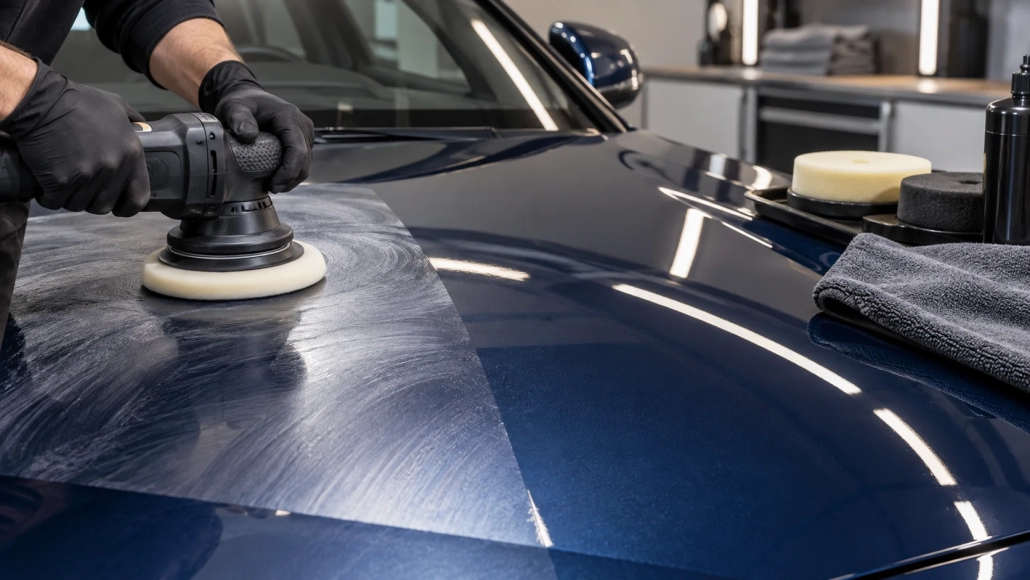
A heavy-cut comparison can be biased by the starting defects. One test area may contain mostly light marks while another contains fewer but deeper scratches. Match the challenge before ranking the compound systems.
Record the dominant defects, isolated outliers and any sanding history that is actually known. Do not invent a sanding grade from appearance. Identify repaired paint, edges and other areas that need separate limits.
Choose representative adjacent zones or appropriately prepared test panels. Keep machine and suitable pad conditions controlled, or clearly state that the trial compares complete manufacturer-recommended systems rather than liquids alone.
| Outcome | Why it matters |
|---|---|
| General defect reduction | Shows performance on the common workload |
| Residual isolated defects | Prevents outliers disappearing into an average |
| Haze and finish | Determines refinement demand |
| Total accepted time | Connects cutting to the completed job |
Decide in advance when correction should stop to protect the paint. A candidate should not be declared superior merely because the operator continued longer or used a more aggressive combination. Record passes and actual work performed.
System A removes the general wash marks quickly but leaves a finish needing substantial refinement. System B takes slightly longer in the cutting stage but reaches the agreed final finish with less additional work. The preferred route depends on the total process and paint condition, not the first dramatic reveal.
Explain which finishes and defects were represented. A successful test on one hard clear coat does not establish suitability for every soft refinish or delicate component. Keep negative and borderline results in the record.
Heavy-cut evaluation is strongest when it reflects the workshop’s real distribution of work. That means testing the common defects honestly, preserving the outliers and counting what it takes to finish the surface properly.
Ask NANOLAB about your surface and intended use. For application and care, use the current instructions for the exact product.
Choose a polishing process by testing defect removal, finishing quality and clear-coat preservation rather than counting steps alone.
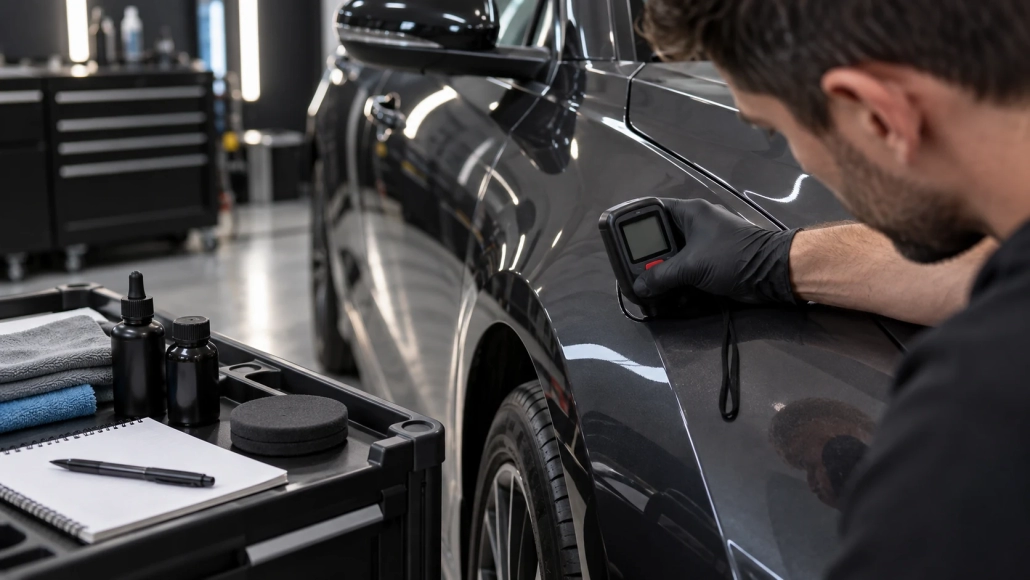
Build a fair comparison of heavy cut compounds using equivalent defects, supported pads, consistent inspection and total correction-to-finish time.
Agree whether factory paint texture should remain before polishing so increased gloss does not accidentally change the intended appearance.
 Polishing around Factory Texture: Agree Which Appearance Must Remain