






A full polishing range.
From cutting and one-step correction to final finishing.
Specialist chemistry. Expert application.
 QUARTZ99 / CERAMIC BASE COAT
The foundation of your coating system.
A layerable quartz base coat designed for mechanical protection. Pair it with a suitable top coat to create the final finish.
For application by NANOLAB certified installers only.
Four formulas. Extended working time. Find the coating for your finish.
Explore the BEAST family of ceramic coatings.
Find the coating for each exterior surface.
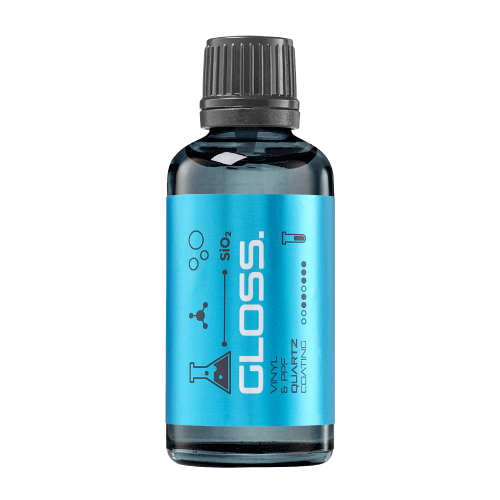
 PPF & VINYLGLOSSProtection for glossy films and wraps.Discover
 MATTE & SATINMATTEProtection that respects the finish.Discover
 GLASSWINDOWSExplore dedicated glass protection.Discover
 WHEEL PROTECTIONWHEELSA dedicated coating for your wheels.Discover
 TRIM PROTECTIONPLASTICProtection for plastic surfaces.Discover
Dedicated care for the surfaces inside.
 LEATHER SURFACESLEATHERDiscover NANOLAB leather protection.Discover PLASTIC SURFACESPLASTICProtection for interior plastic surfaces.Discover TEXTILE SURFACESFABRICExplore the latest fabric formulation.Discover
Spray protection, maintenance and upcoming wash products.
 MAINTENANCEBEAST 365Explore the BEAST maintenance range.Discover
Next in washing, cleaning & care.
Ceramic protection for boats and yachts.
An easy-to-apply ceramic coating with an established track record on boats and yachts around the world.
Results vary with surface preparation, exposure and maintenance.
Read 50 MARINE guides →Explore MARINEProtection for the surfaces you live with.
A look at what we’re developing.
From cutting and one-step correction to final finishing.
A wider range for professional vehicle care.
Taking shape alongside BEAST & MATRIX.
Practical guidance for your next coating project.
Explore all guides →
A surface that looks like brass, copper or stainless steel may actually be a metallic-effect powder coating. Choose cleaning and protection by the identified outer finish rather than by the metal appearance it imitates.
Updated · NANOLAB Knowledge
Interpon describes powder-coating finishes that create the appearance of different metals. That makes product identification important when a customer asks for a metal cleaner or nano coating. A method suitable for bare metal may not be appropriate for the decorative coating, and a substrate specification alone may not describe the exposed face.
Illustrative example: a furniture frame is described casually as brushed brass, but the specification identifies a metallic-effect powder coating on another substrate. Recommending a bare-brass polishing process from appearance alone would address the wrong surface.
Do not infer compatibility from colour, a magnet test or a generic metal label. The cited product family illustrates possible construction, not the identity of a particular object. Any NANOLAB recommendation should be confirmed for the actual exposed finish and intended service.
Technical references: Interpon metallic-effect powder coatings. These sources describe their stated methods or products; they do not certify NANOLAB products or establish compatibility with an unlisted surface.
Ask NANOLAB about the exact product and intended use. Use the current product documentation for formulation-specific instructions.
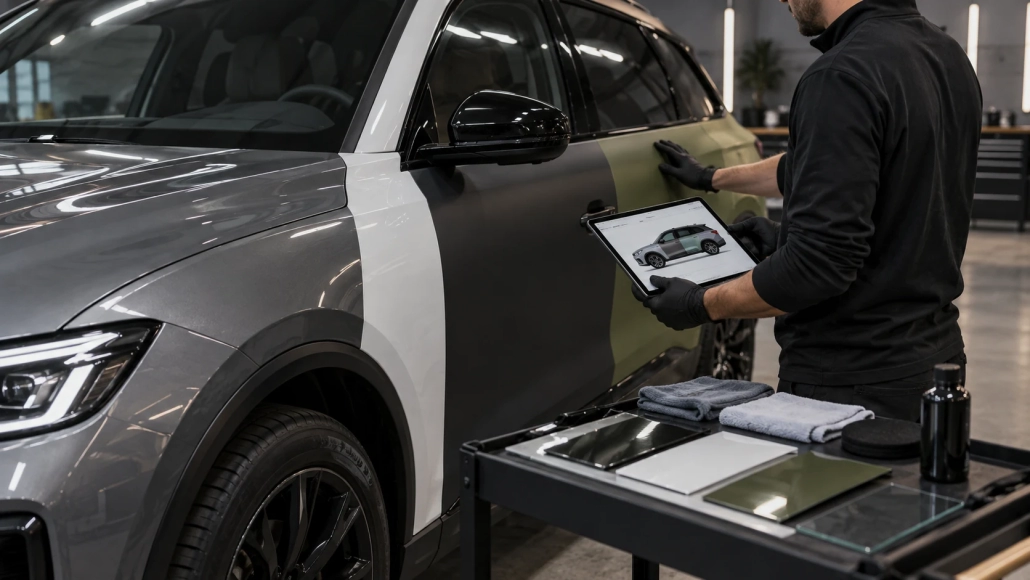
Evaluate ceramic coating on powder-coated gates and railings, separating intact finish care from rust repair, moving hardware and outdoor maintenance.
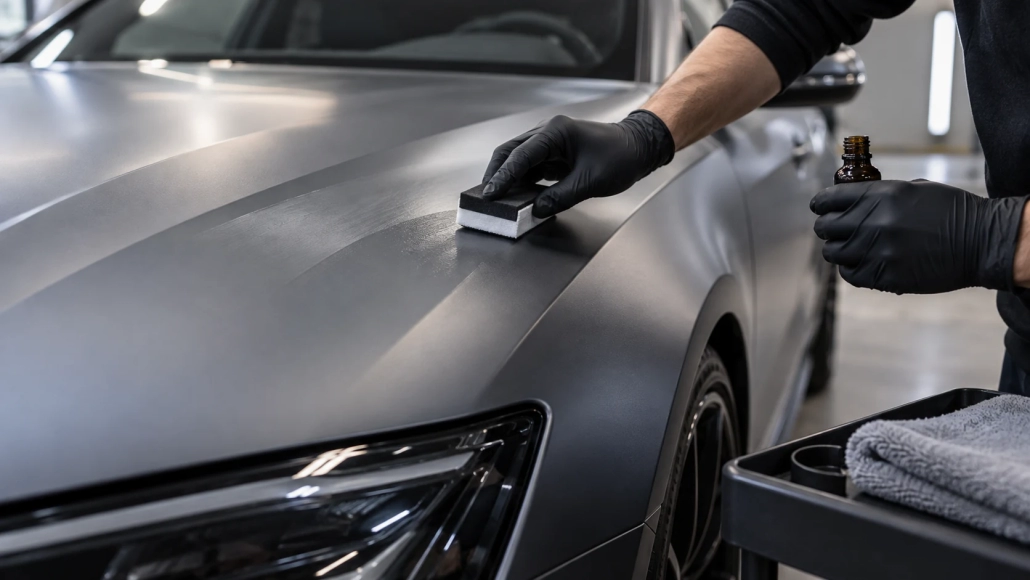
Use an appearance-focused trial before ceramic coating matte powder-coated furniture, checking sheen, texture, cleaning and repeated handling.
Sealing an anodic film is part of an anodizing process. It should not be confused with applying a separate protective nano coating to a finished anodized component.