






A full polishing range.
From cutting and one-step correction to final finishing.
Specialist chemistry. Expert application.
 QUARTZ99 / CERAMIC BASE COAT
The foundation of your coating system.
A layerable quartz base coat designed for mechanical protection. Pair it with a suitable top coat to create the final finish.
For application by NANOLAB certified installers only.
Four formulas. Extended working time. Find the coating for your finish.
Explore the BEAST family of ceramic coatings.
Find the coating for each exterior surface.
 PPF & VINYLGLOSSProtection for glossy films and wraps.Discover
 MATTE & SATINMATTEProtection that respects the finish.Discover
 GLASSWINDOWSExplore dedicated glass protection.Discover
 WHEEL PROTECTIONWHEELSA dedicated coating for your wheels.Discover
 TRIM PROTECTIONPLASTICProtection for plastic surfaces.Discover
Dedicated care for the surfaces inside.
 LEATHER SURFACESLEATHERDiscover NANOLAB leather protection.Discover PLASTIC SURFACESPLASTICProtection for interior plastic surfaces.Discover TEXTILE SURFACESFABRICExplore the latest fabric formulation.Discover
Spray protection, maintenance and upcoming wash products.
 MAINTENANCEBEAST 365Explore the BEAST maintenance range.Discover
Next in washing, cleaning & care.
Ceramic protection for boats and yachts.
An easy-to-apply ceramic coating with an established track record on boats and yachts around the world.
Results vary with surface preparation, exposure and maintenance.
Read 50 MARINE guides →Explore MARINEProtection for the surfaces you live with.
A look at what we’re developing.
From cutting and one-step correction to final finishing.
A wider range for professional vehicle care.
Taking shape alongside BEAST & MATRIX.
Practical guidance for your next coating project.
Explore all guides →
Convert broad requirements such as easy application into observable acceptance criteria.
Updated · NANOLAB Knowledge
Words such as easy, professional and premium are weak specification terms unless the buyer explains what they mean in use. A useful coating specification translates those ambitions into observable requirements. It should describe the customer's task without pretending that every preference is a universal product property.
Identify who will apply the coating, what experience they have and which surfaces they normally treat. Describe the working environment and available support. A product selected for a trained studio team may require a different instruction and evaluation process from a retail offer aimed at occasional users.
Replace easy application with questions about the approved sequence, visible inspection cues and operator feedback during a representative trial. Replace good appearance with a defined finish expectation and agreed viewing conditions. Record product-specific timing from the manufacturer rather than setting an arbitrary universal target for all candidates.
For example, compatibility with the intended finish may be essential, while a preferred bottle style may be negotiable. Give each requirement an evidence source and an acceptance owner. Do not compensate for an unresolved compatibility question by awarding extra points for attractive packaging. The final specification should explain what must be true, how it will be checked and which choices remain open for discussion with the manufacturer.
Separate a requirement from a preference. Approved use on the intended finish is a requirement. Bottle appearance may be a preference. An application workflow that fits available staff and facilities may be essential even when another product looks stronger in a sales presentation.
Use three columns: buyer need, evidence requested and acceptance decision. For instance, a retailer serving first-time users needs understandable instructions and an appropriate support route; a professional shop may prioritize repeatable handling within its established process. Avoid describing either customer simply as wanting the strongest coating. A useful specification explains the job the product must support and how the buyer will recognize a suitable result.
Explore NANOLAB’s private-label options. For supporting information, review the current product documentation and the private-label guides.
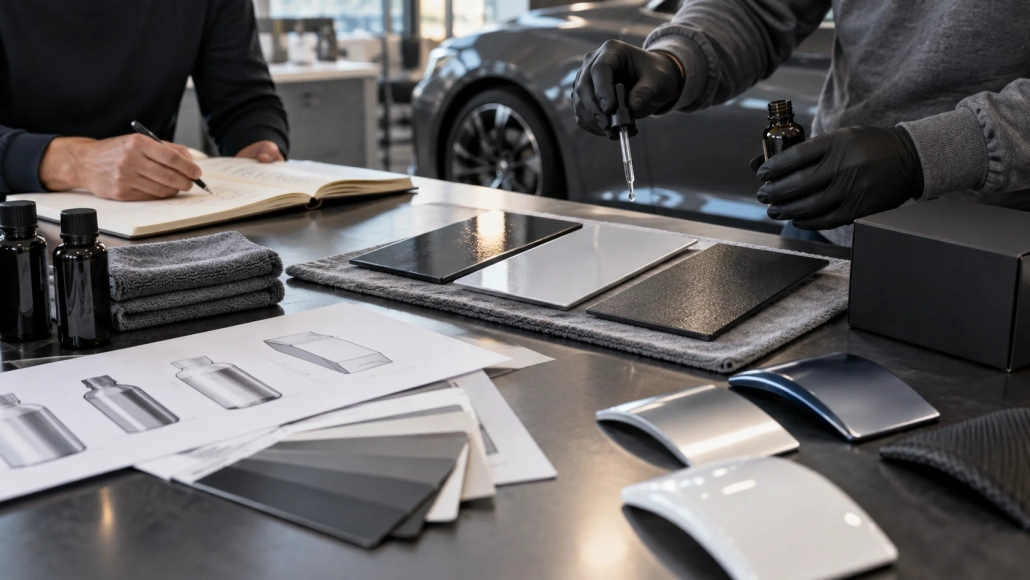
Define the users, surfaces, application workflow and packaging requirements for a private label ceramic coating project with NANOLAB.
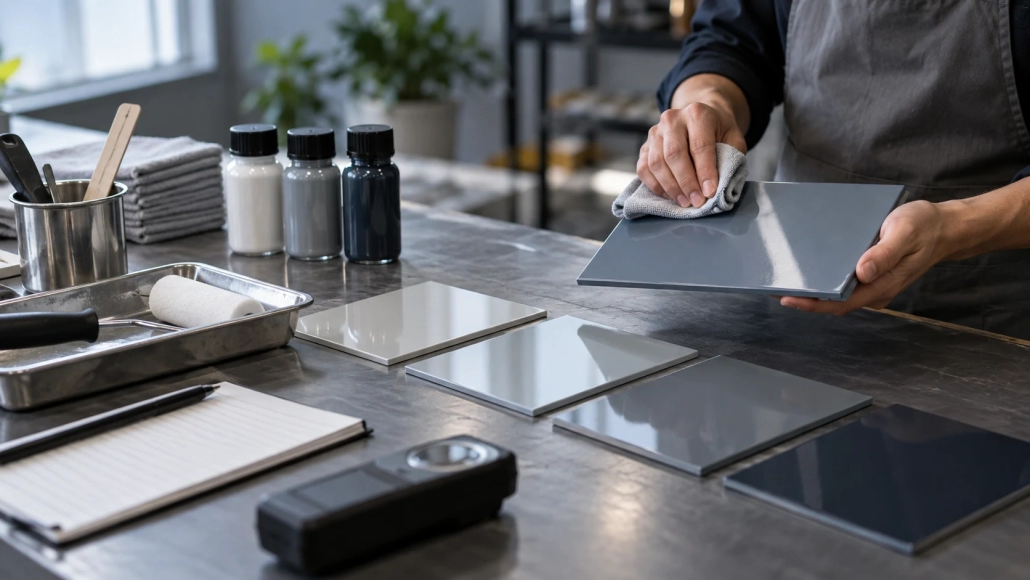
Compare private label coating samples using consistent preparation, application notes, finish checks and aftercare observations.

Give purchasing, technical staff and sales separate inputs without letting one score hide a failure.