






A full polishing range.
From cutting and one-step correction to final finishing.
Specialist chemistry. Expert application.
 QUARTZ99 / CERAMIC BASE COAT
The foundation of your coating system.
A layerable quartz base coat designed for mechanical protection. Pair it with a suitable top coat to create the final finish.
For application by NANOLAB certified installers only.
Four formulas. Extended working time. Find the coating for your finish.
Explore the BEAST family of ceramic coatings.
Find the coating for each exterior surface.
 PPF & VINYLGLOSSProtection for glossy films and wraps.Discover
 MATTE & SATINMATTEProtection that respects the finish.Discover
 GLASSWINDOWSExplore dedicated glass protection.Discover
 WHEEL PROTECTIONWHEELSA dedicated coating for your wheels.Discover
 TRIM PROTECTIONPLASTICProtection for plastic surfaces.Discover
Dedicated care for the surfaces inside.
 LEATHER SURFACESLEATHERDiscover NANOLAB leather protection.Discover PLASTIC SURFACESPLASTICProtection for interior plastic surfaces.Discover TEXTILE SURFACESFABRICExplore the latest fabric formulation.Discover
Spray protection, maintenance and upcoming wash products.
 MAINTENANCEBEAST 365Explore the BEAST maintenance range.Discover
Next in washing, cleaning & care.
Ceramic protection for boats and yachts.
An easy-to-apply ceramic coating with an established track record on boats and yachts around the world.
Results vary with surface preparation, exposure and maintenance.
Read 50 MARINE guides →Explore MARINEProtection for the surfaces you live with.
A look at what we’re developing.
From cutting and one-step correction to final finishing.
A wider range for professional vehicle care.
Taking shape alongside BEAST & MATRIX.
Practical guidance for your next coating project.
Explore all guides →
Keep a stable visual reference during local paint correction so changing light and repeated inspection do not move the agreed stopping point.
Updated · NANOLAB Knowledge
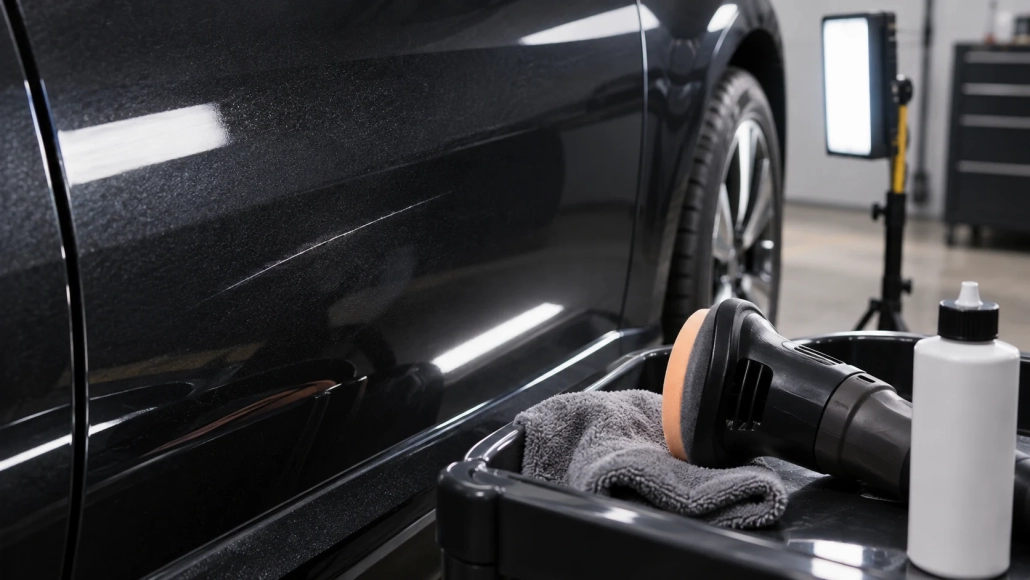
A local scratch can become an endless correction target when each inspection uses a new light angle. Preserve a reference at the beginning so the stopping decision remains tied to the agreed improvement and the condition of the paint.
Clean and inspect the area using a suitable process. Identify the mark in a panel photograph with surrounding features visible. Photograph it under the planned directional light and from a wider normal viewing position. Keep the camera exposure consistent where practical.
Record whether the brief is to reduce the mark’s visibility or attempt removal only where the assessed finish supports it. Do not promise complete removal from a photograph or a fingernail test. Neither provides a complete measurement of the remaining film.
After a controlled correction cycle and compatible residue removal, return the light and viewing position to their recorded locations. Inspect the local area and neighbouring finish together. A tighter crop can make a residual mark look more significant than it appeared in the original service brief.
Keep an untouched neighbouring reference where possible. Compare the corrected zone for unintended haze or texture difference as well as scratch visibility. The surrounding reflection is part of the result.
If further cycles offer little useful improvement, or the assessment no longer supports abrasion, stop and document the remaining mark. Changing the light to find an even less visible remnant does not establish that further removal is worthwhile.
Show the customer the same before-and-after views and explain the preservation decision. Retain the record so a later return visit does not treat the residual scratch as a newly discovered defect requiring another full attempt.
Use the compound selection guide for the broader process and the repair texture guide when local correction changes the surrounding reflection.

 Fine Cut Acceptance: Define a Maximum Residual Haze