






A full polishing range.
From cutting and one-step correction to final finishing.
Specialist chemistry. Expert application.
 QUARTZ99 / CERAMIC BASE COAT
The foundation of your coating system.
A layerable quartz base coat designed for mechanical protection. Pair it with a suitable top coat to create the final finish.
For application by NANOLAB certified installers only.
Four formulas. Extended working time. Find the coating for your finish.
Explore the BEAST family of ceramic coatings.
Find the coating for each exterior surface.
 PPF & VINYLGLOSSProtection for glossy films and wraps.Discover
 MATTE & SATINMATTEProtection that respects the finish.Discover
 GLASSWINDOWSExplore dedicated glass protection.Discover
 WHEEL PROTECTIONWHEELSA dedicated coating for your wheels.Discover
 TRIM PROTECTIONPLASTICProtection for plastic surfaces.Discover
Dedicated care for the surfaces inside.
 LEATHER SURFACESLEATHERDiscover NANOLAB leather protection.Discover PLASTIC SURFACESPLASTICProtection for interior plastic surfaces.Discover TEXTILE SURFACESFABRICExplore the latest fabric formulation.Discover
Spray protection, maintenance and upcoming wash products.
 MAINTENANCEBEAST 365Explore the BEAST maintenance range.Discover
Next in washing, cleaning & care.
Ceramic protection for boats and yachts.
An easy-to-apply ceramic coating with an established track record on boats and yachts around the world.
Results vary with surface preparation, exposure and maintenance.
Read 50 MARINE guides →Explore MARINEProtection for the surfaces you live with.
A look at what we’re developing.
From cutting and one-step correction to final finishing.
A wider range for professional vehicle care.
Taking shape alongside BEAST & MATRIX.
Practical guidance for your next coating project.
Explore all guides →
Inspect white paint with controlled lighting and separate contamination, swirls and clarity before choosing the correction process.
Updated · NANOLAB Knowledge
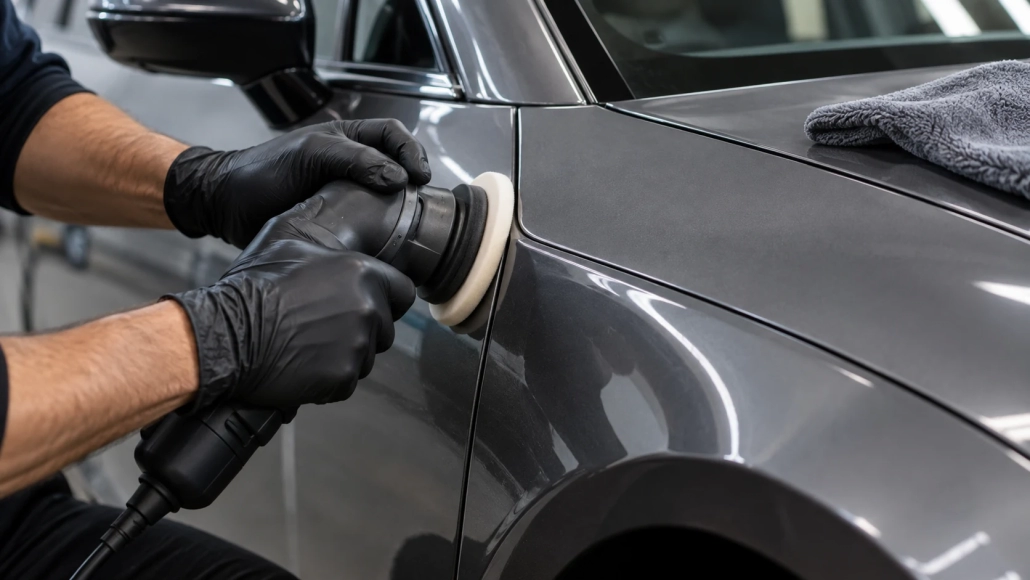
White paint can hide fine defects under bright diffuse lighting. That does not mean the finish is defect-free or that it automatically needs heavy correction to produce a visible difference. Build the assessment around the actual surface condition.
Wash and assess the paint before deciding on abrasion. Road film, bonded contamination and deposits can reduce apparent brightness without being scratches.
Use suitable cleaning and decontamination methods, then reinspect dry paint. Do not compound merely because a white panel looks grey in an uncleaned photograph.
Use directional light and vary the viewing angle to reveal fine marks. Broader reflections help assess consistency once the defect field is understood.
Compare before-and-after images with similar exposure. Increasing brightness in the after image can make a white car appear transformed while obscuring remaining marks.
Start with a suitable conservative combination. Record defect reduction and any haze after compatible residue removal.
Do not skip refinement solely because the colour makes fine process marks harder to see. Equally, do not add a strong stage when the lighter process already meets the agreed result.
Check sections around handles, trim and lower panels where residue or missed work can stand out against bright paint. Use compatible cleanup methods for each neighbouring material.
The handover should demonstrate the finish under the same inspection conditions used to approve the service. Explain retained deeper defects and the maintenance plan.
A successful white-car polish improves the identified surface problems while preserving the finish. Its value should be shown through controlled inspection and consistent clarity, not a claim that one colour requires a universal compound grade or a dramatically different chemical formula.
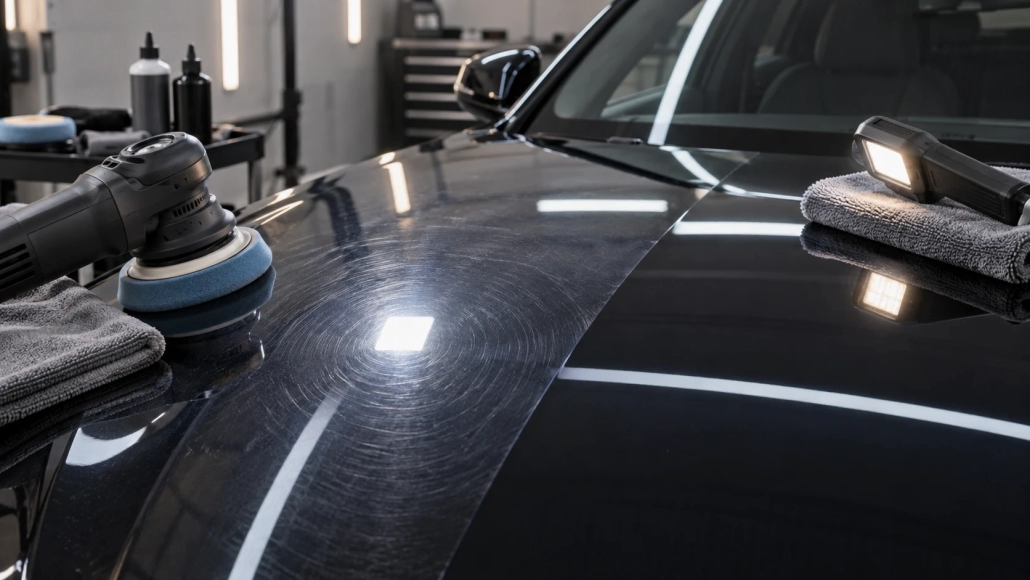
Assess scratch-resistant paint through supported product choices and actual response, without assuming it is either unpolishable or safe for unlimited correction.
Plan paint correction around panel edges, sharp body lines and adjacent trim to reduce unnecessary abrasion and tool contact.

 Polishing Scratch-Resistant Clear Coat: Do Not Confuse Resistance with Immu...