






A full polishing range.
From cutting and one-step correction to final finishing.
Specialist chemistry. Expert application.
 QUARTZ99 / CERAMIC BASE COAT
The foundation of your coating system.
A layerable quartz base coat designed for mechanical protection. Pair it with a suitable top coat to create the final finish.
For application by NANOLAB certified installers only.
Four formulas. Extended working time. Find the coating for your finish.
Explore the BEAST family of ceramic coatings.
Find the coating for each exterior surface.
 PPF & VINYLGLOSSProtection for glossy films and wraps.Discover
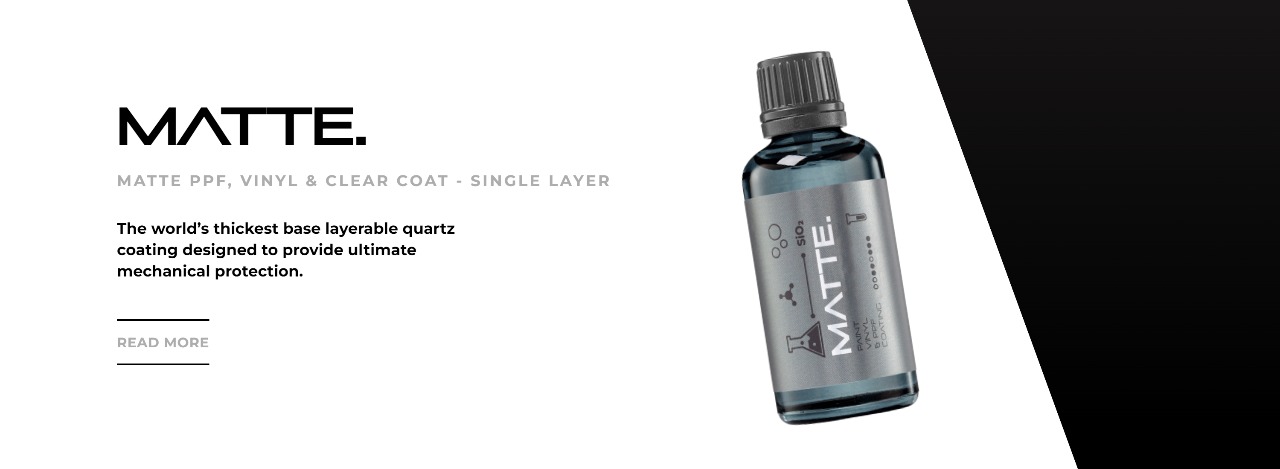
 MATTE & SATINMATTEProtection that respects the finish.Discover
 GLASSWINDOWSExplore dedicated glass protection.Discover
 WHEEL PROTECTIONWHEELSA dedicated coating for your wheels.Discover
 TRIM PROTECTIONPLASTICProtection for plastic surfaces.Discover
Dedicated care for the surfaces inside.
 LEATHER SURFACESLEATHERDiscover NANOLAB leather protection.Discover PLASTIC SURFACESPLASTICProtection for interior plastic surfaces.Discover TEXTILE SURFACESFABRICExplore the latest fabric formulation.Discover
Spray protection, maintenance and upcoming wash products.
 MAINTENANCEBEAST 365Explore the BEAST maintenance range.Discover
Next in washing, cleaning & care.
Ceramic protection for boats and yachts.
An easy-to-apply ceramic coating with an established track record on boats and yachts around the world.
Results vary with surface preparation, exposure and maintenance.
Read 50 MARINE guides →Explore MARINEProtection for the surfaces you live with.
A look at what we’re developing.
From cutting and one-step correction to final finishing.
A wider range for professional vehicle care.
Taking shape alongside BEAST & MATRIX.
Practical guidance for your next coating project.
Explore all guides →
Water hardness and alkalinity are not interchangeable, even when both are reported as calcium-carbonate equivalents. Identify which property a report measured before using it to explain wash results or select water-treatment equipment.
Updated · NANOLAB Knowledge
Hach distinguishes hardness, associated mainly with calcium and magnesium, from the capacity measured by alkalinity testing. A detailing business should keep separate fields for these results. Similar units can make a spreadsheet look consistent while concealing that the values describe different properties and answer different operational questions.
Illustrative example: a workshop receives an alkalinity value and enters it in a hardness field used for equipment planning. The arithmetic may be correct while the input is wrong. Correcting the property label is necessary before evaluating the proposed treatment or attributing a wash problem to the water supply.
Neither value alone identifies every cause of spotting or establishes that a cleaner is suitable for a coated surface. Continue to follow the coating and cleaner instructions. Use water analysis to answer a defined question rather than as a universal explanation for every finish concern.
Technical references: Hach: Water hardness. These sources describe their stated methods or products; they do not certify NANOLAB products or establish compatibility with an unlisted surface.
Ask NANOLAB about the exact product and intended use. Use the current product documentation for formulation-specific instructions.
Distinguish water alkalinity from pH and hardness, then request the measurement that fits the cleaning or treatment problem.
Choose hardness or TDS measurements for the actual washing problem and distinguish water softening from low-ion final-rinse treatment.
A panel can look rinsed while cleaner remains in a recess and emerges later. Inspecting the final drainage points helps prevent a clean exterior surface from being recontaminated during drying or vehicle movement.