






A full polishing range.
From cutting and one-step correction to final finishing.
Specialist chemistry. Expert application.
 QUARTZ99 / CERAMIC BASE COAT
The foundation of your coating system.
A layerable quartz base coat designed for mechanical protection. Pair it with a suitable top coat to create the final finish.
For application by NANOLAB certified installers only.
Four formulas. Extended working time. Find the coating for your finish.
Explore the BEAST family of ceramic coatings.
Find the coating for each exterior surface.
 PPF & VINYLGLOSSProtection for glossy films and wraps.Discover
 MATTE & SATINMATTEProtection that respects the finish.Discover
 GLASSWINDOWSExplore dedicated glass protection.Discover
 WHEEL PROTECTIONWHEELSA dedicated coating for your wheels.Discover
 TRIM PROTECTIONPLASTICProtection for plastic surfaces.Discover
Dedicated care for the surfaces inside.
 LEATHER SURFACESLEATHERDiscover NANOLAB leather protection.Discover PLASTIC SURFACESPLASTICProtection for interior plastic surfaces.Discover TEXTILE SURFACESFABRICExplore the latest fabric formulation.Discover
Spray protection, maintenance and upcoming wash products.
 MAINTENANCEBEAST 365Explore the BEAST maintenance range.Discover
Next in washing, cleaning & care.
Ceramic protection for boats and yachts.
An easy-to-apply ceramic coating with an established track record on boats and yachts around the world.
Results vary with surface preparation, exposure and maintenance.
Read 50 MARINE guides →Explore MARINEProtection for the surfaces you live with.
A look at what we’re developing.
From cutting and one-step correction to final finishing.
A wider range for professional vehicle care.
Taking shape alongside BEAST & MATRIX.
Practical guidance for your next coating project.
Explore all guides →
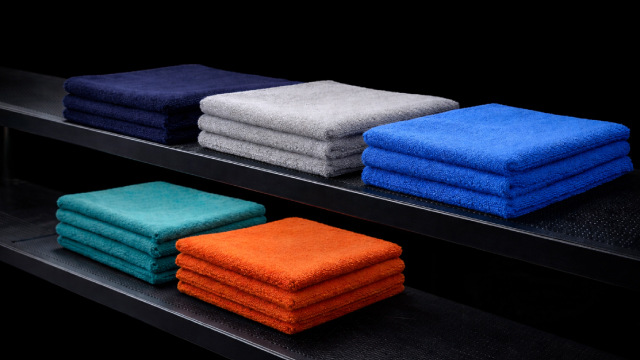
The cloth used for upholstery care should not introduce a new mark or obscure what is being removed. Material-specific instructions may therefore specify a white, unprinted cloth rather than any convenient coloured towel or paper.
Updated · NANOLAB Knowledge
Alcantara's care guidance explicitly warns about ink transfer from printed absorbent materials. More broadly, a light cloth makes transferred colour easier to notice, but it does not tell you whether that colour is dirt, dye or another material. Interpret the observation in context and stop if the surface itself appears to be changing.
Illustrative example: a printed paper towel is used on a light upholstery insert and leaves a new mark. The cleaning method has introduced a separate problem. Selecting the specified unprinted material would remove that avoidable variable from the task.
A white cloth is not a universal colourfastness test and does not authorize stronger chemicals. Do not keep rubbing simply because the cloth continues to change colour. Use the exact material's guidance to determine whether the observation requires stopping or a qualified review.
Technical references: Alcantara cleaning instructions. These sources describe their stated methods or products; they do not certify NANOLAB products or establish compatibility with an unlisted surface.
Ask NANOLAB about the exact product and intended use. Use the current product documentation for formulation-specific instructions.
Understand how conductivity-to-TDS conversion factors can make two meters disagree, and align settings before judging water-treatment performance.
Understand advancing and receding contact angles, calculate hysteresis, and learn why a tall water bead may still resist movement.
A colour instrument's reference routine belongs to the measurement method. Follow the manufacturer's instructions for the correct references, their condition and the required sequence before comparing coating samples.