






A full polishing range.
From cutting and one-step correction to final finishing.
Specialist chemistry. Expert application.
 QUARTZ99 / CERAMIC BASE COAT
The foundation of your coating system.
A layerable quartz base coat designed for mechanical protection. Pair it with a suitable top coat to create the final finish.
For application by NANOLAB certified installers only.
Four formulas. Extended working time. Find the coating for your finish.
Explore the BEAST family of ceramic coatings.
Find the coating for each exterior surface.
 PPF & VINYLGLOSSProtection for glossy films and wraps.Discover
 MATTE & SATINMATTEProtection that respects the finish.Discover
 GLASSWINDOWSExplore dedicated glass protection.Discover
 WHEEL PROTECTIONWHEELSA dedicated coating for your wheels.Discover
 TRIM PROTECTIONPLASTICProtection for plastic surfaces.Discover
Dedicated care for the surfaces inside.
 LEATHER SURFACESLEATHERDiscover NANOLAB leather protection.Discover PLASTIC SURFACESPLASTICProtection for interior plastic surfaces.Discover TEXTILE SURFACESFABRICExplore the latest fabric formulation.Discover
Spray protection, maintenance and upcoming wash products.
 MAINTENANCEBEAST 365Explore the BEAST maintenance range.Discover
Next in washing, cleaning & care.
Ceramic protection for boats and yachts.
An easy-to-apply ceramic coating with an established track record on boats and yachts around the world.
Results vary with surface preparation, exposure and maintenance.
Read 50 MARINE guides →Explore MARINEProtection for the surfaces you live with.
A look at what we’re developing.
From cutting and one-step correction to final finishing.
A wider range for professional vehicle care.
Taking shape alongside BEAST & MATRIX.
Practical guidance for your next coating project.
Explore all guides →
Use staged glass inspection to distinguish washer residue from haze introduced during preparation, coating or later handling.
Updated · NANOLAB Knowledge
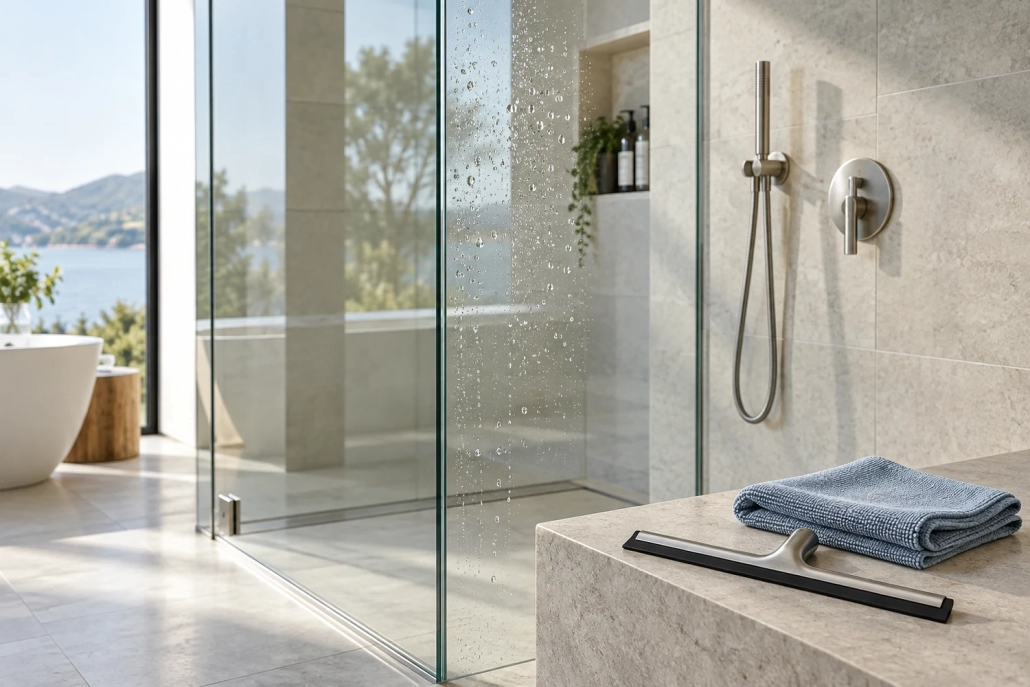
When coated glass looks hazy, the coating stage often receives the blame first. A staged inspection can show whether the visible issue was already present after washing or appeared later in the process.
Inspect representative panes after the glass washer, after final preparation, after coating and levelling, and after the approved handling stage. Use the same viewing method and identify the inspected face. Record the result before continuing so a later defect cannot overwrite the earlier observation.
| First appearance of haze | Priority investigation |
|---|---|
| After washer | Wash, rinse, drying and incoming glass |
| After final preparation | Preparation product, cloth and method |
| After coating | Compatibility, application and levelling |
| After handling | Contacts, contamination and packing |
A representative uncoated witness can help examine the washer and drying process. Keep its material and route relevant. It should not be treated as proof that every pane is clean, especially if the actual order has a different surface treatment or size.
If the haze is already visible before coating, hold the affected preparation route. Changing the coating formula would not resolve the demonstrated upstream problem. If it appears only after treatment, preserve the preparation record and review the coating step without assuming the cause is chemical incompatibility.
For example, a repeated vertical pattern may align with a drying or contact feature. Record that pattern and compare it with equipment and handling locations. Pattern matching is a useful clue, but confirm the relationship with a controlled repeat.
Do not repeatedly clean every affected pane before photographing and documenting the initial condition. Once the surface is changed, the original failure may be difficult to reconstruct. Keep at least an appropriate retained example when practical.
Close the investigation only after the suspected stage has been corrected and a fresh sequence passes all checkpoints. A clean final pane is encouraging; a repeatable process explains why the problem is less likely to return.
Discuss a shower-glass coating project. For application and care, use the current instructions for the exact product.
A short inspection helps determine whether shower glass needs ordinary cleaning, deposit removal or specialist restoration before coating.
Haze after cleaning can have several causes, including remaining product residue or a pre-existing surface issue.
Estimate the holding capacity required for coated shower glass from production rate and approved residence time, with room for variability.
 How to Size a Holding Area for Coated Shower Glass