
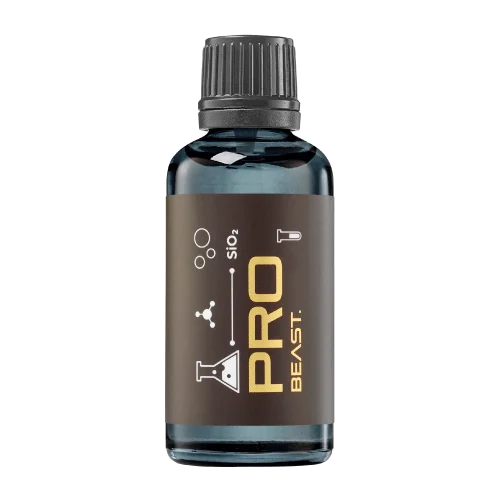
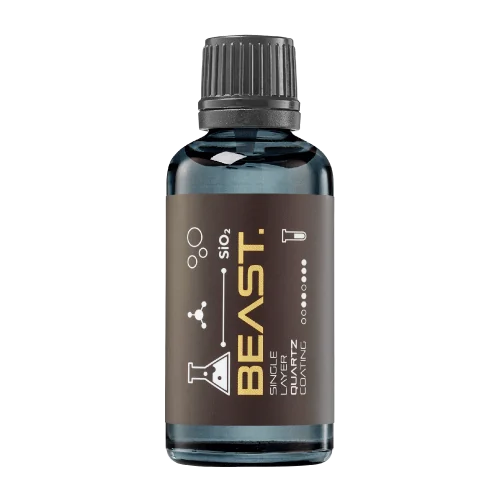
A full polishing range.
From cutting and one-step correction to final finishing.
Specialist chemistry. Expert application.
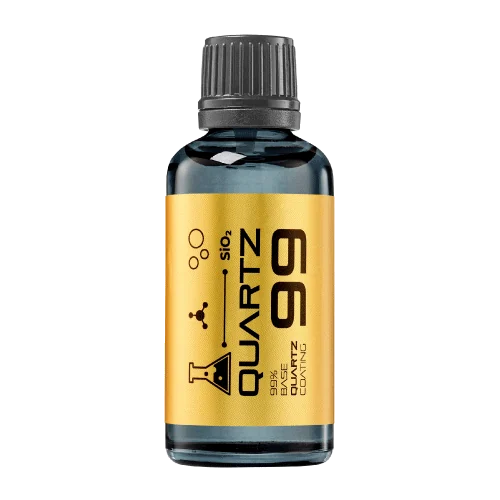 QUARTZ99 / CERAMIC BASE COAT
The foundation of your coating system.
A layerable quartz base coat designed for mechanical protection. Pair it with a suitable top coat to create the final finish.
For application by NANOLAB certified installers only.
Four formulas. Extended working time. Find the coating for your finish.
Explore the BEAST family of ceramic coatings.
Find the coating for each exterior surface.
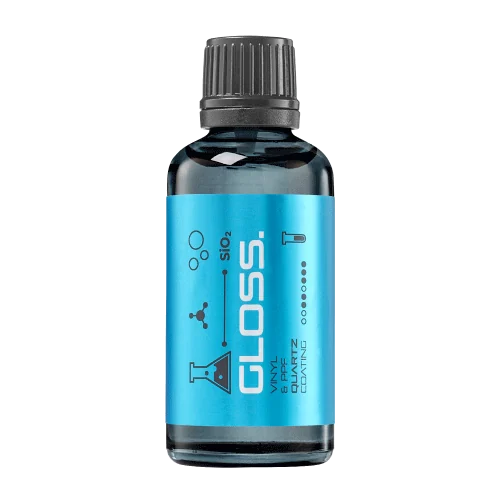 PPF & VINYLGLOSSProtection for glossy films and wraps.Discover
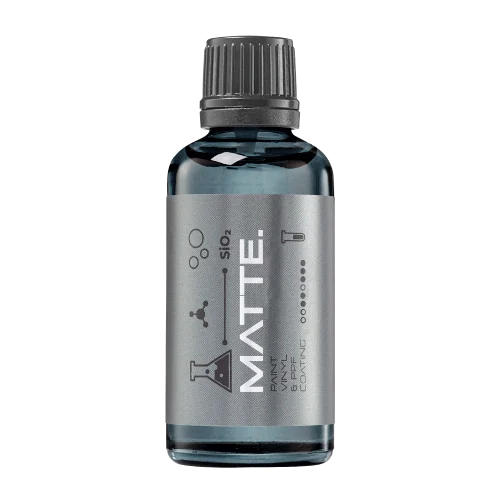 MATTE & SATINMATTEProtection that respects the finish.Discover
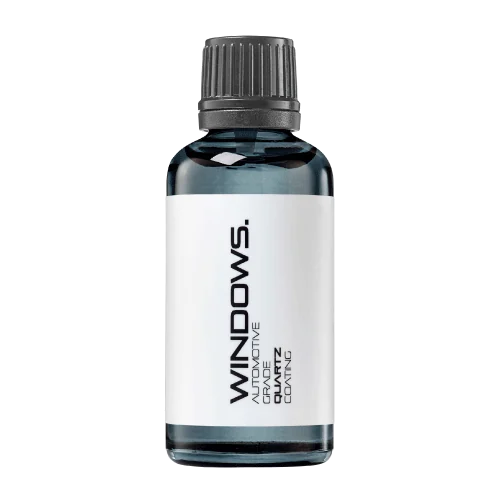 GLASSWINDOWSExplore dedicated glass protection.Discover
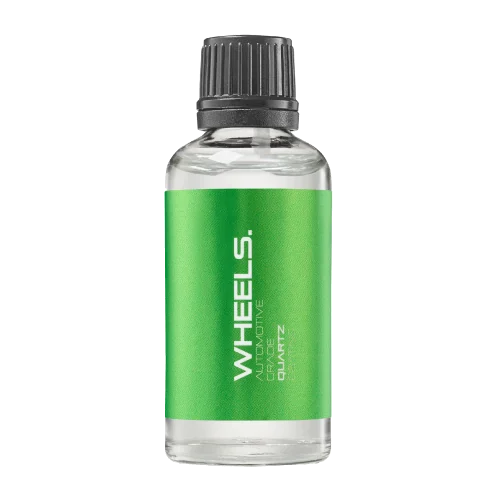 WHEEL PROTECTIONWHEELSA dedicated coating for your wheels.Discover
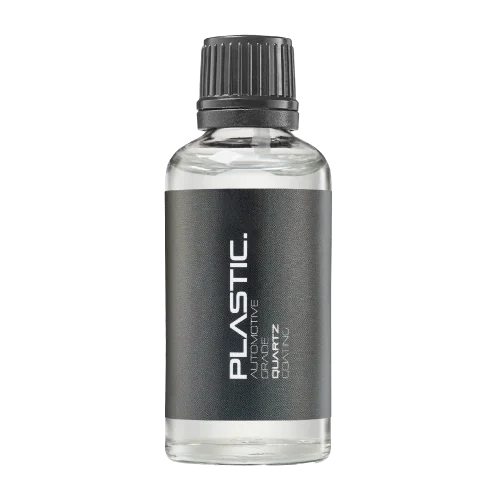 TRIM PROTECTIONPLASTICProtection for plastic surfaces.Discover
Dedicated care for the surfaces inside.
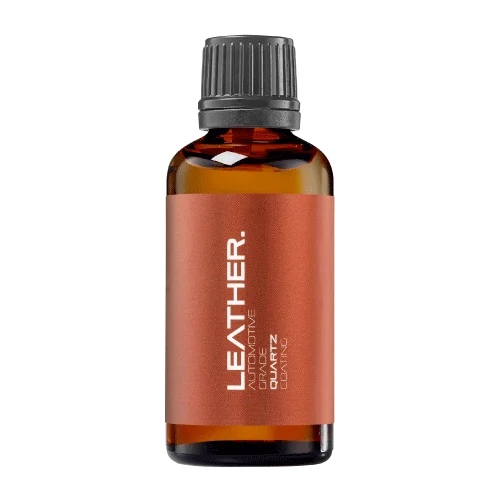 LEATHER SURFACESLEATHERDiscover NANOLAB leather protection.Discover PLASTIC SURFACESPLASTICProtection for interior plastic surfaces.Discover TEXTILE SURFACESFABRICExplore the latest fabric formulation.Discover
Spray protection, maintenance and upcoming wash products.
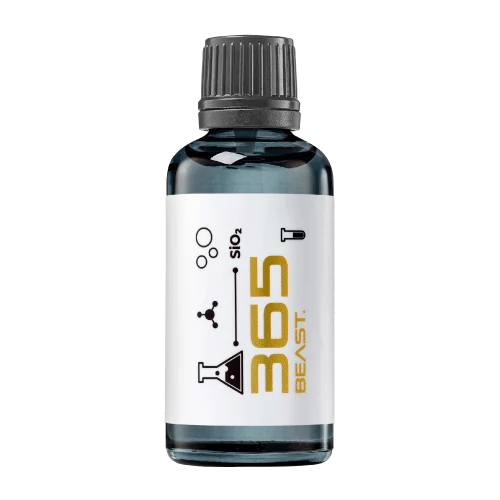 MAINTENANCEBEAST 365Explore the BEAST maintenance range.Discover
Next in washing, cleaning & care.
Ceramic protection for boats and yachts.
An easy-to-apply ceramic coating with an established track record on boats and yachts around the world.
Results vary with surface preparation, exposure and maintenance.
Read 50 MARINE guides →Explore MARINEProtection for the surfaces you live with.
A look at what we’re developing.
From cutting and one-step correction to final finishing.
A wider range for professional vehicle care.
Taking shape alongside BEAST & MATRIX.
Practical guidance for your next coating project.
Explore all guides →
Normalise glass-coating product use by the actual treated area so changing pane sizes do not create a false change in application efficiency.
Updated · NANOLAB Knowledge
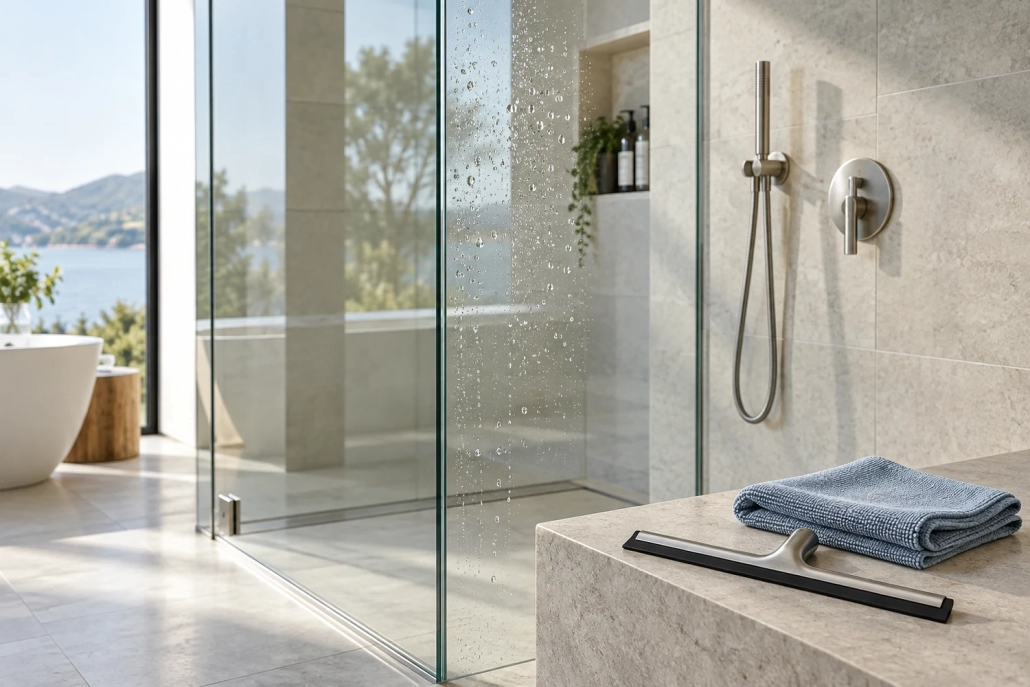
Product use per pane is meaningful only when the panes are comparable. A run of large shower screens will consume more material than a run of small side panels even if the application process is unchanged.
Use the drawing dimensions and count only the faces and areas actually treated. Record exclusions consistently. A pane measuring 0.8 by 2.0 metres has 1.6 square metres on one face and 3.2 square metres across two complete faces.
Measure product issued and returned through an appropriate controlled method. Record start-up losses, applicator retention and spills separately where practical. The resulting consumption per area describes the process; it is not automatically the deposited coating quantity.
Suppose run A uses 120 mL for 40 m² and run B uses 180 mL for 60 m². Both equal 3 mL/m², although run B used more total product. These are illustrative accounting figures, not application-dose recommendations.
| Metric | Use |
|---|---|
| Total product | Inventory reconciliation |
| Product per treated area | Comparable process consumption |
| Accepted area | Quality-adjusted production output |
A lower consumption figure is not an improvement if coverage, appearance or release performance becomes unacceptable. Use the exact product’s application requirements and compare only runs that meet the same acceptance criteria.
Track pane-size mix and the number of treated faces with every run. This prevents a purchasing or production decision from being based on a ratio whose denominator changed unnoticed.
Discuss a shower-glass coating project. For application and care, use the current instructions for the exact product.
A short inspection helps determine whether shower glass needs ordinary cleaning, deposit removal or specialist restoration before coating.
An inspection or safety label may need to remain readable and intact. Confirm its status before removal or glass preparation.
Inspect transported coated shower glass in stages so packaging marks, handling damage and coating concerns are documented before installation.
 Receiving Coated Shower Glass after Transport: A Practical Inspection Seque...