






A full polishing range.
From cutting and one-step correction to final finishing.
Specialist chemistry. Expert application.
 QUARTZ99 / CERAMIC BASE COAT
The foundation of your coating system.
A layerable quartz base coat designed for mechanical protection. Pair it with a suitable top coat to create the final finish.
For application by NANOLAB certified installers only.
Four formulas. Extended working time. Find the coating for your finish.
Explore the BEAST family of ceramic coatings.
Find the coating for each exterior surface.
 PPF & VINYLGLOSSProtection for glossy films and wraps.Discover
 MATTE & SATINMATTEProtection that respects the finish.Discover
 GLASSWINDOWSExplore dedicated glass protection.Discover
 WHEEL PROTECTIONWHEELSA dedicated coating for your wheels.Discover
 TRIM PROTECTIONPLASTICProtection for plastic surfaces.Discover
Dedicated care for the surfaces inside.
 LEATHER SURFACESLEATHERDiscover NANOLAB leather protection.Discover PLASTIC SURFACESPLASTICProtection for interior plastic surfaces.Discover TEXTILE SURFACESFABRICExplore the latest fabric formulation.Discover
Spray protection, maintenance and upcoming wash products.
 MAINTENANCEBEAST 365Explore the BEAST maintenance range.Discover
Next in washing, cleaning & care.
Ceramic protection for boats and yachts.
An easy-to-apply ceramic coating with an established track record on boats and yachts around the world.
Results vary with surface preparation, exposure and maintenance.
Read 50 MARINE guides →Explore MARINEProtection for the surfaces you live with.
A look at what we’re developing.
From cutting and one-step correction to final finishing.
A wider range for professional vehicle care.
Taking shape alongside BEAST & MATRIX.
Practical guidance for your next coating project.
Explore all guides →
Plan a shared private label coating range across several detail shops, with clear product identity, ordering, training, support and stock ownership.
Updated · NANOLAB Knowledge
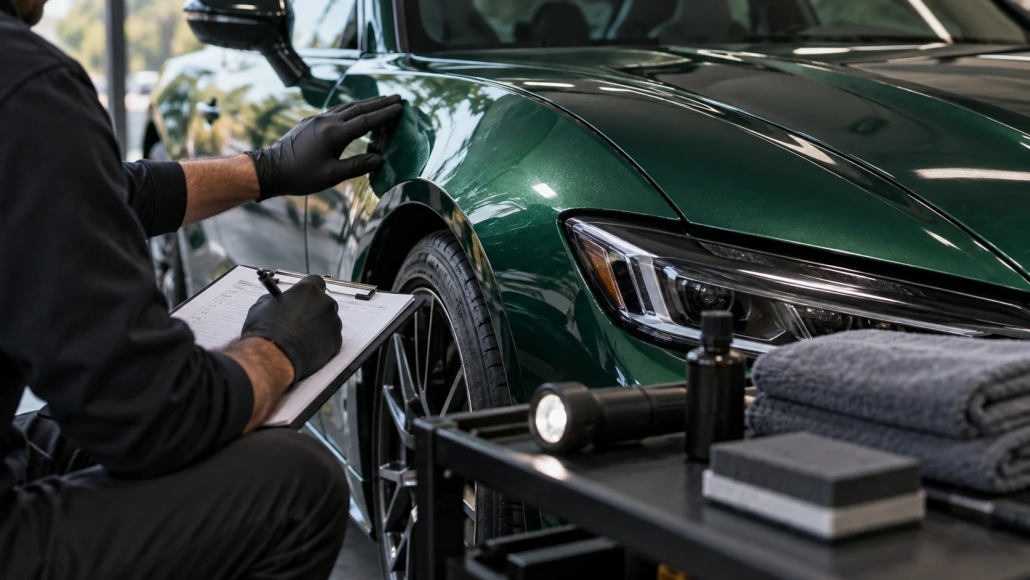
Several detail shops may want a shared coating range to combine purchasing and present a consistent offer. The idea can work operationally only if the group agrees how products are approved, ordered and supported. A shared label does not automatically create a shared process.
Identify who coordinates the manufacturer relationship, approves artwork and maintains product information. Clarify how stock is allocated and how each shop orders replacements. Resolve commercial rights and obligations through the appropriate agreements rather than leaving them implicit.
Keep the scope of the shared range narrow enough for every participating shop to support it. Different workshop conditions or service models may require different products or instructions.
Use the same product identification and current instructions across locations. Trial the workflow with representative installers from more than one shop. Record where their processes differ and decide which differences are acceptable within the product requirements.
Do not permit local promotional material to introduce different durability, compatibility or warranty claims for the same supplied product.
Track which batches each shop receives and how opened stock is handled. Keep product transfers between shops recorded. A group purchase should not make it harder to identify the bottle used on a particular customer job.
Assign a clear route for technical questions and complaints, including who communicates with the manufacturer. Sharing purchasing does not eliminate customer-support responsibility at the installing shop.
Compare actual consumption, support issues and repeat orders by location. Use those records to allocate the next order rather than dividing every SKU equally. A shared private label programme is most useful when it creates reliable product identity and service quality across the shops, not simply a larger first order with a common logo.
Discuss your product, market and packaging requirements with NANOLAB Private Label & OEM.
Align preparation, product instructions and inspection records across workshops while allowing for differences in facilities and vehicle condition.

Allocate an initial private label order across coating SKUs using confirmed minimums, expected demand and packaging commitments rather than equal quantities.
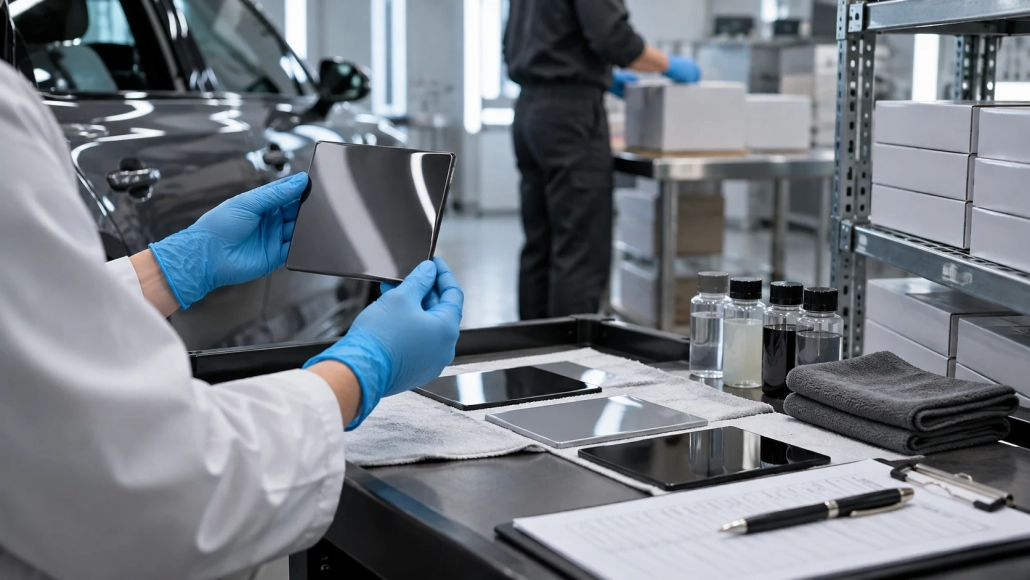
Treat colour and fragrance requests as product-development changes, with compatibility, stability, user experience and claim reviews for the exact formula.

 Private Label Coating Samples for Different Climate Markets