






A full polishing range.
From cutting and one-step correction to final finishing.
Specialist chemistry. Expert application.
 QUARTZ99 / CERAMIC BASE COAT
The foundation of your coating system.
A layerable quartz base coat designed for mechanical protection. Pair it with a suitable top coat to create the final finish.
For application by NANOLAB certified installers only.
Four formulas. Extended working time. Find the coating for your finish.
Explore the BEAST family of ceramic coatings.
Find the coating for each exterior surface.
 PPF & VINYLGLOSSProtection for glossy films and wraps.Discover
 MATTE & SATINMATTEProtection that respects the finish.Discover
 GLASSWINDOWSExplore dedicated glass protection.Discover
 WHEEL PROTECTIONWHEELSA dedicated coating for your wheels.Discover
 TRIM PROTECTIONPLASTICProtection for plastic surfaces.Discover
Dedicated care for the surfaces inside.
 LEATHER SURFACESLEATHERDiscover NANOLAB leather protection.Discover PLASTIC SURFACESPLASTICProtection for interior plastic surfaces.Discover TEXTILE SURFACESFABRICExplore the latest fabric formulation.Discover
Spray protection, maintenance and upcoming wash products.
 MAINTENANCEBEAST 365Explore the BEAST maintenance range.Discover
Next in washing, cleaning & care.
Ceramic protection for boats and yachts.
An easy-to-apply ceramic coating with an established track record on boats and yachts around the world.
Results vary with surface preparation, exposure and maintenance.
Read 50 MARINE guides →Explore MARINEProtection for the surfaces you live with.
A look at what we’re developing.
From cutting and one-step correction to final finishing.
A wider range for professional vehicle care.
Taking shape alongside BEAST & MATRIX.
Practical guidance for your next coating project.
Explore all guides →
Build a consistent glossary for ceramic coating labels, instructions and product pages so technical roles are not blurred by marketing terms.
Updated · NANOLAB Knowledge

A private label ceramic coating range benefits from consistent words. If one page uses ‘base coat’, another says ‘topper’ and a label says ‘maintenance coating’, customers need to know whether those terms describe the same role. A controlled glossary prevents avoidable confusion.
List product functions, supported surfaces and user groups in plain language. Distinguish a curing coating from a spray maintenance product and identify any certified-installer restriction. Do not infer performance merely from words such as nano, quartz or graphene.
For each term, record an approved definition, where it may be used and the evidence or product instruction behind it. Keep unsupported superlatives outside the technical vocabulary.
Review labels, web pages, training material and distributor sheets together. Check whether a translated term changes the intended meaning or whether two products share a confusing name. Preserve model codes where they help identify the exact formula.
For example, ‘single-layer application’ should describe the specified process. It should not silently become ‘one application for lifetime protection’ in another channel. The second phrase adds a different claim requiring its own evidence.
Assign an owner to approve terminology changes and update affected materials together. Keep old versions identifiable so support staff know which wording a customer saw. A glossary is most useful when it remains connected to real product instructions.
Use NANOLAB Private Label and OEM to discuss the technical basis of a branded range. Clear language supports product selection and installer understanding without relying on exaggerated wording to make the products sound different.
Review product identification, instructions and label contrast on the actual bottle before approving artwork for a coating range.
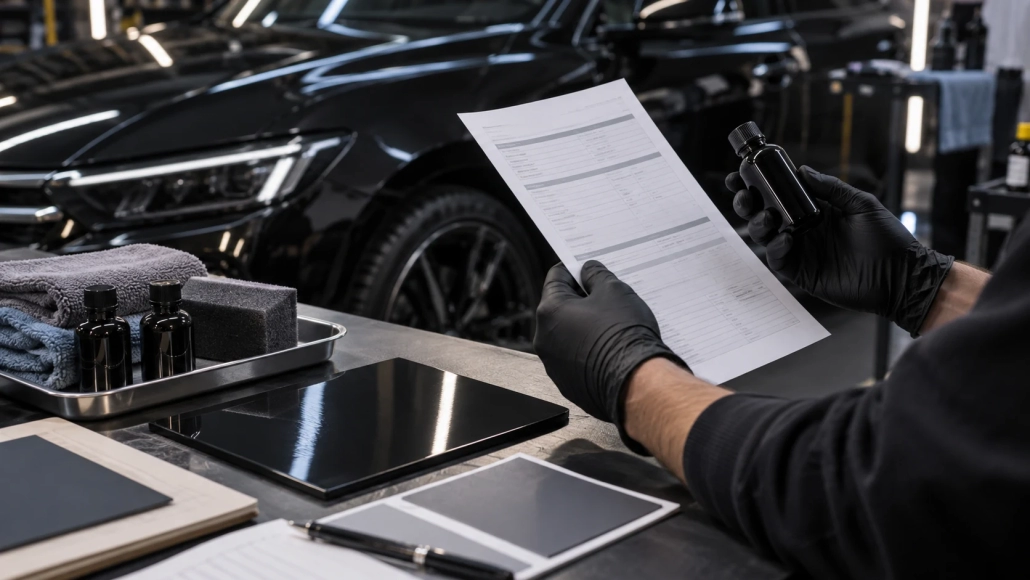
Verify temperatures, volumes and timing when translating ceramic coating instructions for another market.
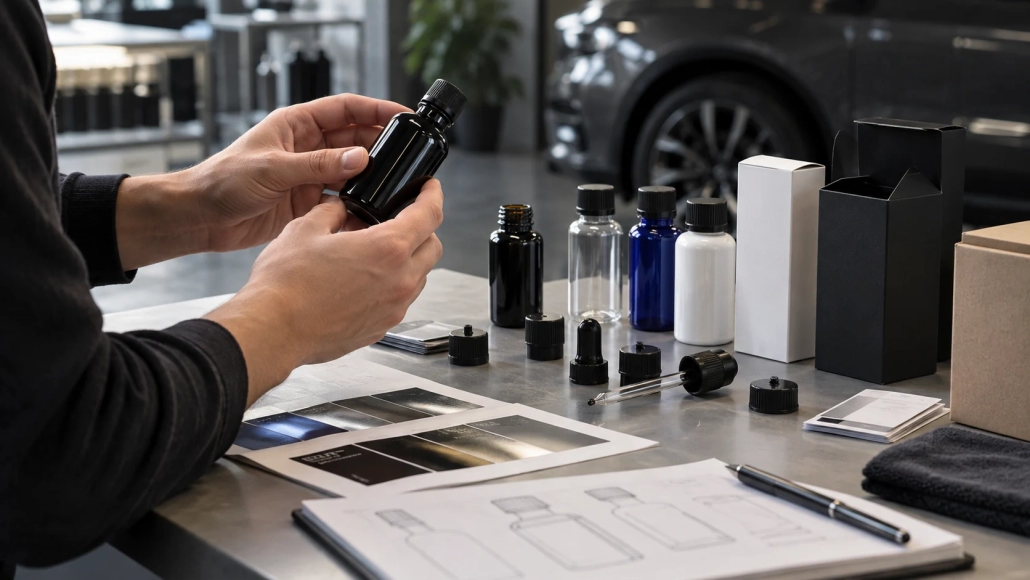
Review dispensing, labelling and handling when a private label coating moves to a new bottle or closure.

 Ceramic Coating Instructions: Checking Units in Translation