






A full polishing range.
From cutting and one-step correction to final finishing.
Specialist chemistry. Expert application.
 QUARTZ99 / CERAMIC BASE COAT
The foundation of your coating system.
A layerable quartz base coat designed for mechanical protection. Pair it with a suitable top coat to create the final finish.
For application by NANOLAB certified installers only.
Four formulas. Extended working time. Find the coating for your finish.
Explore the BEAST family of ceramic coatings.
Find the coating for each exterior surface.
 PPF & VINYLGLOSSProtection for glossy films and wraps.Discover
 MATTE & SATINMATTEProtection that respects the finish.Discover
 GLASSWINDOWSExplore dedicated glass protection.Discover
 WHEEL PROTECTIONWHEELSA dedicated coating for your wheels.Discover
 TRIM PROTECTIONPLASTICProtection for plastic surfaces.Discover
Dedicated care for the surfaces inside.
 LEATHER SURFACESLEATHERDiscover NANOLAB leather protection.Discover PLASTIC SURFACESPLASTICProtection for interior plastic surfaces.Discover TEXTILE SURFACESFABRICExplore the latest fabric formulation.Discover
Spray protection, maintenance and upcoming wash products.
 MAINTENANCEBEAST 365Explore the BEAST maintenance range.Discover
Next in washing, cleaning & care.
Ceramic protection for boats and yachts.
An easy-to-apply ceramic coating with an established track record on boats and yachts around the world.
Results vary with surface preparation, exposure and maintenance.
Read 50 MARINE guides →Explore MARINEProtection for the surfaces you live with.
A look at what we’re developing.
From cutting and one-step correction to final finishing.
A wider range for professional vehicle care.
Taking shape alongside BEAST & MATRIX.
Practical guidance for your next coating project.
Explore all guides →
Discuss existing ceramic protection with the PPF installer and establish the required surface preparation before film installation.
Updated · NANOLAB Knowledge
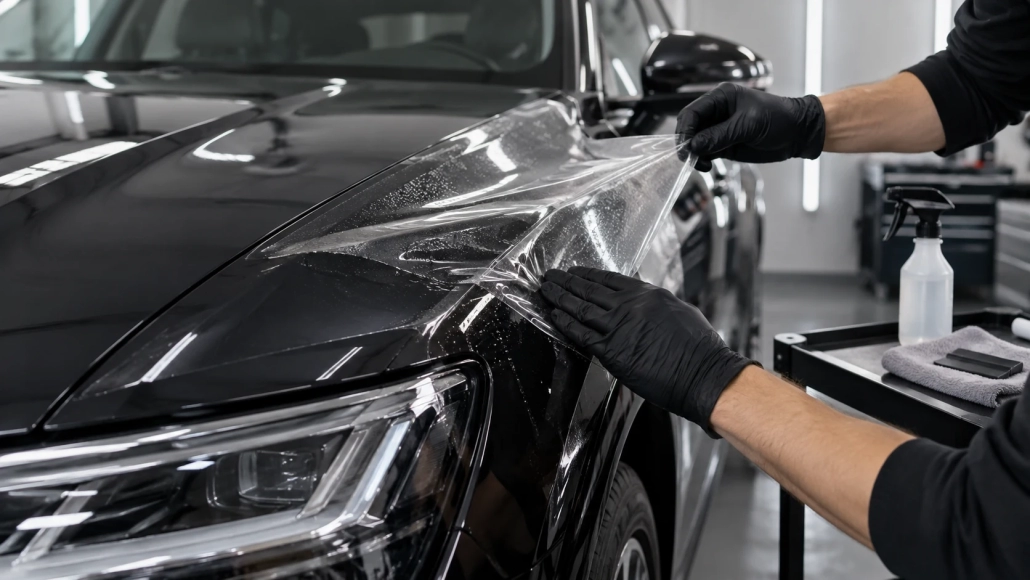
An existing ceramic coating is relevant to PPF installation because the film needs an appropriately prepared bonding surface. Do not assume the film can be installed over any previous protection simply because the paint looks clean.
Tell the installer which coating was used, when it was applied and whether maintenance products have been added. Provide records if available. If the history is unknown, state that clearly rather than treating an absence of beading as proof that no coating remains.
The installer should determine the preparation required for the film and the specific surface. Avoid improvising a strong chemical wash as a universal coating-removal method.
Where coating removal is required, choose a suitable process that respects paint condition and the coating system. Polishing may affect the paint as well as the protection, so previous correction and vulnerable areas matter.
After preparation, inspect for residue and remaining defects. Do not add another protective product before film installation unless the exact sequence has been approved.
Once the film is installed and ready for treatment, a compatible NANOLAB coating can be considered according to the film and coating instructions. Confirm glossy or matte finish requirements and the permitted maintenance schedule.
Read removing an old coating and paint preparation before PPF. Ask NANOLAB for product-specific coating guidance while leaving film adhesion requirements with the film installation process.
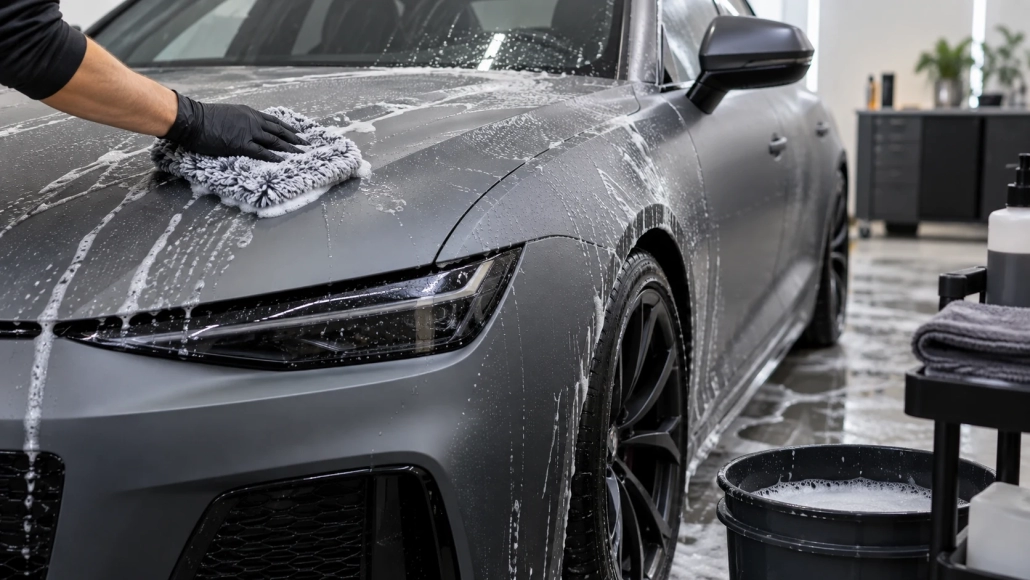
Maintain matte PPF with compatible cleaners and gentle tools while avoiding gloss-adding products and abrasive spot treatment.
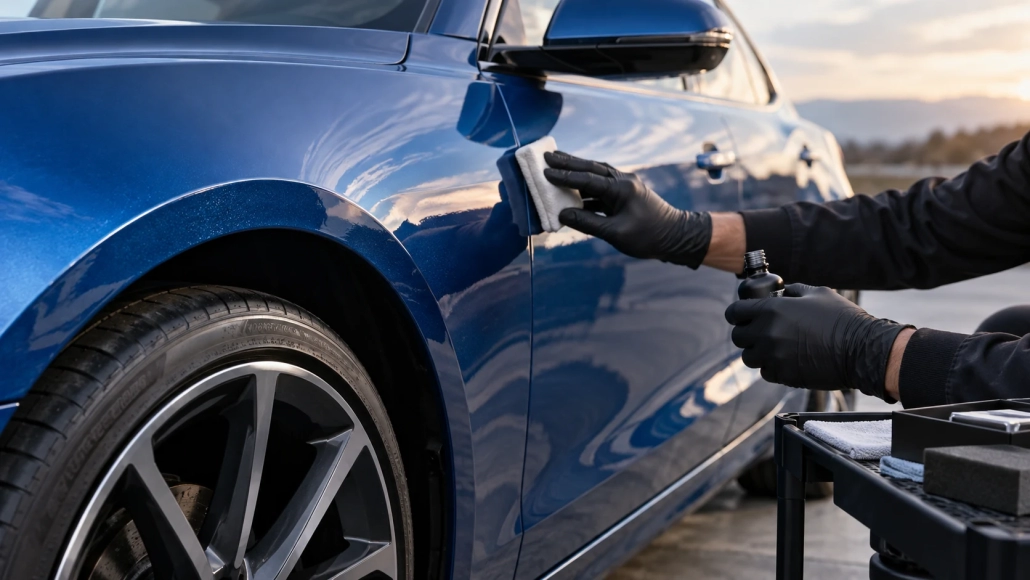
Decide whether a maintenance topper is appropriate by checking cleanliness, compatibility and the reason for the performance change first.
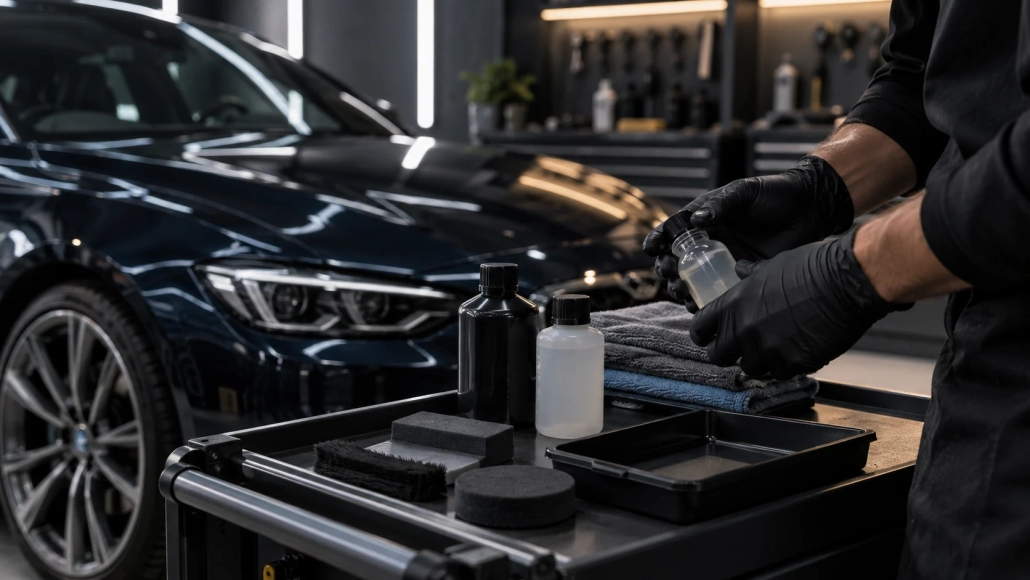
Assess an existing coating before removal and plan correction or renewal without assuming a wash or single chemical treatment removes every system.

 What to Check When Collecting a Car After PPF Installation