






A full polishing range.
From cutting and one-step correction to final finishing.
Specialist chemistry. Expert application.
 QUARTZ99 / CERAMIC BASE COAT
The foundation of your coating system.
A layerable quartz base coat designed for mechanical protection. Pair it with a suitable top coat to create the final finish.
For application by NANOLAB certified installers only.
Four formulas. Extended working time. Find the coating for your finish.
Explore the BEAST family of ceramic coatings.
Find the coating for each exterior surface.
 PPF & VINYLGLOSSProtection for glossy films and wraps.Discover
 MATTE & SATINMATTEProtection that respects the finish.Discover
 GLASSWINDOWSExplore dedicated glass protection.Discover
 WHEEL PROTECTIONWHEELSA dedicated coating for your wheels.Discover
 TRIM PROTECTIONPLASTICProtection for plastic surfaces.Discover
Dedicated care for the surfaces inside.
 LEATHER SURFACESLEATHERDiscover NANOLAB leather protection.Discover PLASTIC SURFACESPLASTICProtection for interior plastic surfaces.Discover TEXTILE SURFACESFABRICExplore the latest fabric formulation.Discover
Spray protection, maintenance and upcoming wash products.
 MAINTENANCEBEAST 365Explore the BEAST maintenance range.Discover
Next in washing, cleaning & care.
Ceramic protection for boats and yachts.
An easy-to-apply ceramic coating with an established track record on boats and yachts around the world.
Results vary with surface preparation, exposure and maintenance.
Read 50 MARINE guides →Explore MARINEProtection for the surfaces you live with.
A look at what we’re developing.
From cutting and one-step correction to final finishing.
A wider range for professional vehicle care.
Taking shape alongside BEAST & MATRIX.
Practical guidance for your next coating project.
Explore all guides →
Calculate markup and gross margin with the correct denominators and compare realistic private-label selling prices and cost bases.
Updated · NANOLAB Knowledge
Markup divides gross profit by cost; gross margin divides gross profit by selling price. Confusing these denominators can leave a coating brand with less room for operating expenses than expected. Define which costs and taxes are included before calculating either percentage.
In an illustrative example, a product costs 30 currency units and sells for 50 on a consistent tax basis. Gross profit is 20. Markup is 20 ÷ 30, or about 66.7 percent. Gross margin is 20 ÷ 50, or 40 percent.
Adding a 40 percent markup to a cost of 30 produces a price of 42, not 50. That price gives a gross margin of about 28.6 percent. A desired margin and a desired markup are therefore not interchangeable instructions to a pricing spreadsheet.
Product purchase cost alone may exclude freight, packaging, fulfilment and other relevant items. Decide which belong in cost of goods and which are separate operating or variable costs for the purpose of the analysis. Apply the same treatment across products.
Do not call gross profit net profit. Marketing, support, premises and other expenses still have to be considered. Tax treatment depends on the business and jurisdiction; use consistent figures and qualified accounting guidance where needed.
Use the expected realized price after ordinary discounts and credits, not only the catalogue price. If most sales occur through distributors at a lower price, a direct-retail margin does not describe that channel.
For a NANOLAB private-label proposal, build separate scenarios for the intended sales routes and order sizes. The calculation will not choose a market price by itself, but it makes the consequences of a proposed price clear before a launch or promotion commits the business to it.
Technical references: Australian Government: Margins and markups in pricing.
Discuss your product and packaging requirements through NANOLAB private-label development. For product-specific use, consult the current technical documentation.
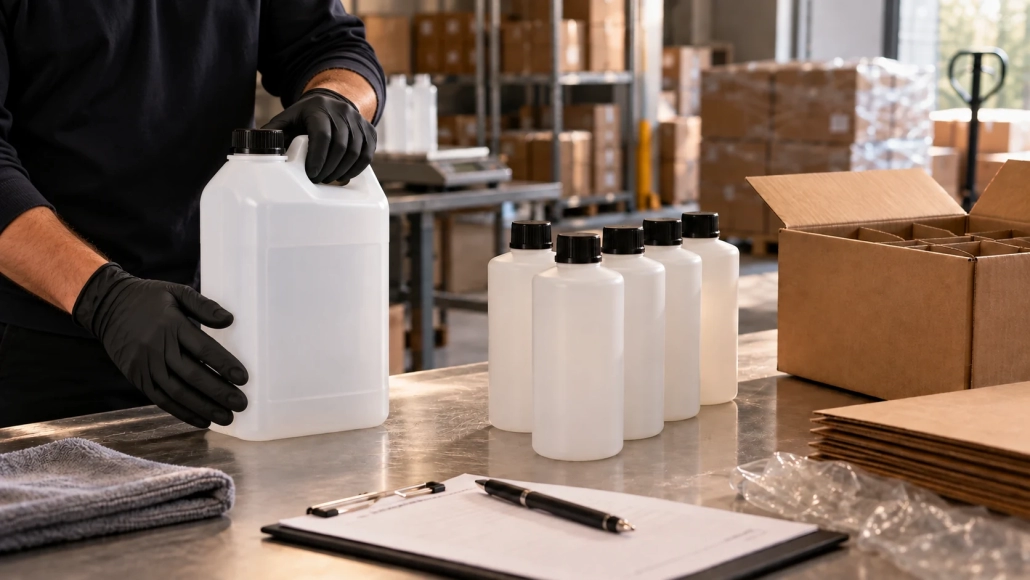
Calculate a private label coating order’s contribution after product, packaging, fulfilment and support costs using a clearly defined sales channel.

Organise coating stock by product, batch and applicable storage information so picking and replenishment do not leave older stock unidentified.

Calculate the extra coating sales a discount must generate to preserve contribution, including promotional costs and displaced purchases.