






A full polishing range.
From cutting and one-step correction to final finishing.
Specialist chemistry. Expert application.
 QUARTZ99 / CERAMIC BASE COAT
The foundation of your coating system.
A layerable quartz base coat designed for mechanical protection. Pair it with a suitable top coat to create the final finish.
For application by NANOLAB certified installers only.
Four formulas. Extended working time. Find the coating for your finish.
Explore the BEAST family of ceramic coatings.
Find the coating for each exterior surface.
 PPF & VINYLGLOSSProtection for glossy films and wraps.Discover
 MATTE & SATINMATTEProtection that respects the finish.Discover
 GLASSWINDOWSExplore dedicated glass protection.Discover
 WHEEL PROTECTIONWHEELSA dedicated coating for your wheels.Discover
 TRIM PROTECTIONPLASTICProtection for plastic surfaces.Discover
Dedicated care for the surfaces inside.
 LEATHER SURFACESLEATHERDiscover NANOLAB leather protection.Discover PLASTIC SURFACESPLASTICProtection for interior plastic surfaces.Discover TEXTILE SURFACESFABRICExplore the latest fabric formulation.Discover
Spray protection, maintenance and upcoming wash products.
 MAINTENANCEBEAST 365Explore the BEAST maintenance range.Discover
Next in washing, cleaning & care.
Ceramic protection for boats and yachts.
An easy-to-apply ceramic coating with an established track record on boats and yachts around the world.
Results vary with surface preparation, exposure and maintenance.
Read 50 MARINE guides →Explore MARINEProtection for the surfaces you live with.
A look at what we’re developing.
From cutting and one-step correction to final finishing.
A wider range for professional vehicle care.
Taking shape alongside BEAST & MATRIX.
Practical guidance for your next coating project.
Explore all guides →
Compare detailing contribution per occupied bay-hour while preserving required coating intervals and identifying the true capacity constraint.
Updated · NANOLAB Knowledge
When a workshop's limited resource is occupied bay time, contribution per bay-hour can reveal differences that revenue per job hides. The measure is useful only if contribution and bay occupancy are defined consistently and the bay is genuinely constraining output.
An illustrative job produces 400 currency units of contribution after defined variable costs and occupies a bay for eight hours. Its contribution is 50 per occupied bay-hour. Another produces 300 and occupies the bay for four hours, giving 75 per bay-hour.
This does not automatically mean the second job is always preferable. Demand, staffing, customer relationships and other constraints matter. The calculation highlights one operational tradeoff.
A car may occupy a controlled bay during a required waiting period even when the technician is working elsewhere. If the vehicle cannot be moved under the documented procedure, that time consumes bay capacity. Do not count only hands-on labour while claiming to measure bay productivity.
Conversely, if a compliant dedicated holding area is available, distinguish application-bay time from holding-space time. The physical workflow determines the appropriate denominator.
Do not shorten a product's required curing or handling interval to improve the metric. Process changes should remove avoidable delays, improve scheduling or allocate space appropriately while preserving the specified installation.
Track planned and actual occupation, including rework and late collection. A recurring delay after work is complete may be a scheduling issue rather than a coating choice issue. Use contribution per bay-hour alongside labour availability and customer demand, then evaluate whether a proposed change improves the whole workshop rather than one attractive ratio.
Technical references: US Small Business Administration: Break-even analysis.
Discuss your product and packaging requirements through NANOLAB private-label development. For product-specific use, consult the current technical documentation.
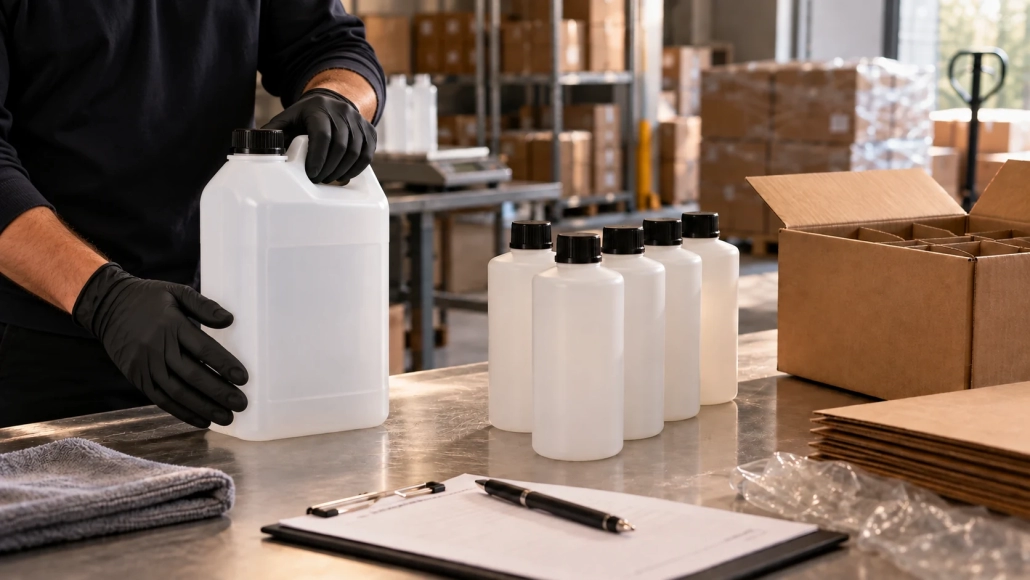
Calculate a private label coating order’s contribution after product, packaging, fulfilment and support costs using a clearly defined sales channel.

Organise coating stock by product, batch and applicable storage information so picking and replenishment do not leave older stock unidentified.

Map coating workflow capacity and waiting time before adding equipment, then focus improvements on the stage limiting completed jobs.