


IN DEVELOPMENT / MATRIX SERIES
MATRIX ELITE P7020
The next flagship of the MATRIX series.
75%Solids content
Specialist chemistry. Expert application.
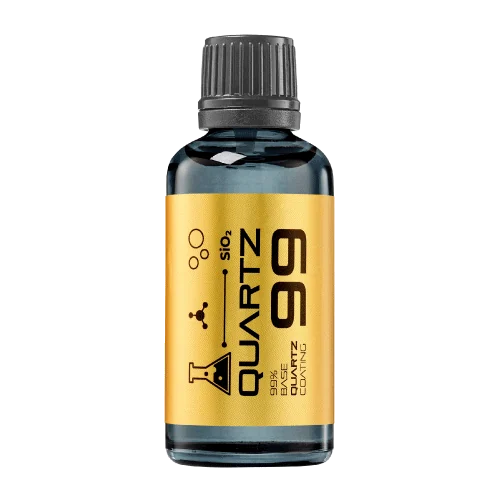 QUARTZ99 / CERAMIC BASE COAT
The foundation of your coating system.
A layerable quartz base coat designed for mechanical protection. Pair it with a suitable top coat to create the final finish.
For application by NANOLAB certified installers only.
Extended working time. A coating for the way you work.
 P5012MATRIX PRORefined protection for glossy finishes.Application1/10Discover P503GMATRIX GRAPHENEVersatile protection for gloss and matte finishes.Application1/10Discover P303MATRIX LITEFor efficient, high-volume detailing.Application1/10Discover
 Explore the BEAST family of ceramic coatings.
Find the coating for each exterior surface.
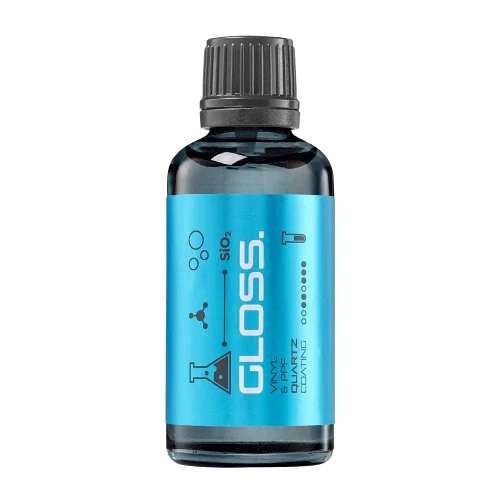 PPF & VINYLGLOSSProtection for glossy films and wraps.Application3/10Discover
 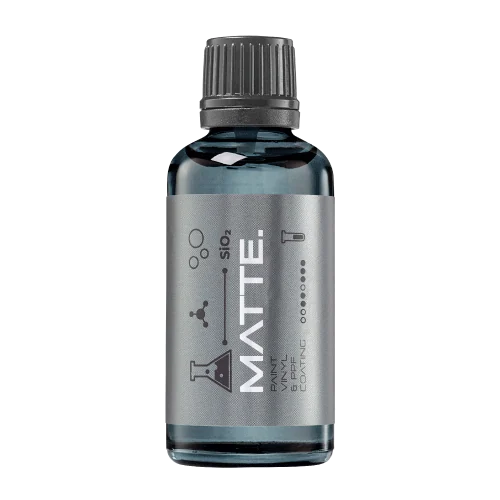 MATTE & SATINMATTEProtection that respects the finish.Application3/10Discover
 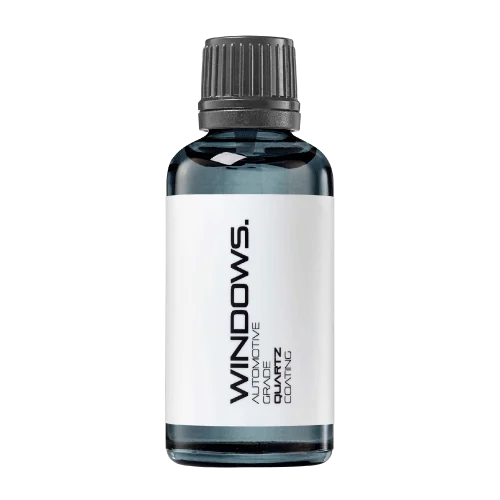 GLASSWINDOWSExplore dedicated glass protection.Application3/10Discover
 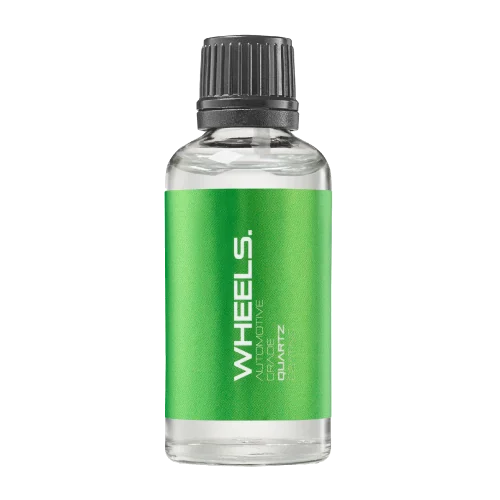 WHEEL PROTECTIONWHEELSA dedicated coating for your wheels.Application2/10Discover
 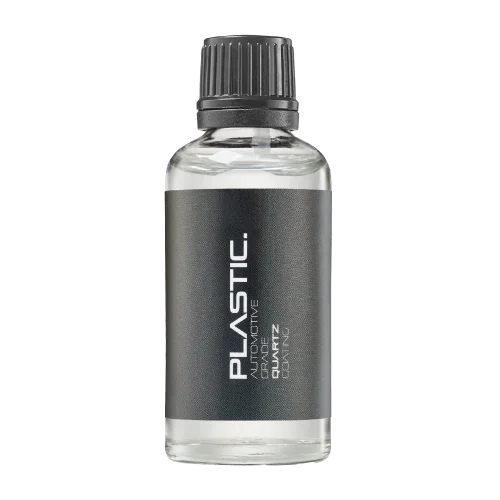 TRIM PROTECTIONPLASTICProtection for plastic surfaces.Application2/10Discover
 Dedicated care for the surfaces inside.
 LEATHER SURFACESLEATHERDiscover NANOLAB leather protection.Application5/10Discover PLASTIC SURFACESPLASTICProtection for interior plastic surfaces.Application2/10Discover TEXTILE SURFACESFABRICExplore the latest fabric formulation.Application2/10Discover
 Spray protection, maintenance and upcoming wash products.
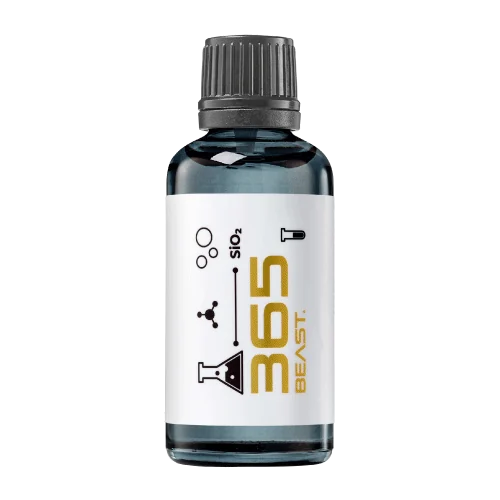 MAINTENANCEBEAST 365Explore the BEAST maintenance range.Application4/10Discover
 Next in washing, cleaning & care.
Ceramic protection for boats and yachts.
An easy-to-apply ceramic coating with an established track record on boats and yachts around the world.
Results vary with surface preparation, exposure and maintenance.
Read 50 MARINE guides →Explore MARINE Application4/10Protection for the surfaces you live with.
A look at what we’re developing.
The next flagship of the MATRIX series.
From cutting and one-step correction to final finishing.
A wider range for professional vehicle care.
Taking shape alongside BEAST & MATRIX.
Practical guidance for your next coating project.
Explore all guides →
A pre-coating inspection prevents attractive results in one area from hiding unresolved problems elsewhere.
Updated · NANOLAB Knowledge
A pre-coating inspection prevents attractive results in one area from hiding unresolved problems elsewhere. It also helps a boat owner compare proposals that may include very different amounts of preparation.
Salt, standing water and temporary gloss from a wash product can disguise the underlying finish. Arrange an inspection after suitable cleaning and drying. Look at broad panels in natural light and use an inspection light around curves and fittings. Record chalking, scratches, staining and previous repairs separately; they do not necessarily require the same treatment.
Loose fittings, damaged seals, deep corrosion, cracked gelcoat and failing paint need assessment before a coating job proceeds. Mark their locations rather than describing the whole boat as being in poor condition. Give the installer any repair records and the names of known paint systems. A clear boundary between restoration and coating helps avoid misunderstandings at collection.
Ask the proposal to name the treated surfaces, preparation steps, access arrangements and areas excluded from the work. Include a representative test area where the finish is uncertain. Keep dated photographs from comparable angles and distances. On completion, revisit the same points and check that the agreed preparation was completed before evaluating the coating itself.
See marine coating project planning and discuss surface suitability through NANOLAB MARINEApplication4/10.