






A full polishing range.
From cutting and one-step correction to final finishing.
Specialist chemistry. Expert application.
 QUARTZ99 / CERAMIC BASE COAT
The foundation of your coating system.
A layerable quartz base coat designed for mechanical protection. Pair it with a suitable top coat to create the final finish.
For application by NANOLAB certified installers only.
Four formulas. Extended working time. Find the coating for your finish.
Explore the BEAST family of ceramic coatings.
Find the coating for each exterior surface.
 PPF & VINYLGLOSSProtection for glossy films and wraps.Discover
 MATTE & SATINMATTEProtection that respects the finish.Discover
 GLASSWINDOWSExplore dedicated glass protection.Discover
 WHEEL PROTECTIONWHEELSA dedicated coating for your wheels.Discover
 TRIM PROTECTIONPLASTICProtection for plastic surfaces.Discover
Dedicated care for the surfaces inside.
 LEATHER SURFACESLEATHERDiscover NANOLAB leather protection.Discover PLASTIC SURFACESPLASTICProtection for interior plastic surfaces.Discover TEXTILE SURFACESFABRICExplore the latest fabric formulation.Discover
Spray protection, maintenance and upcoming wash products.
 MAINTENANCEBEAST 365Explore the BEAST maintenance range.Discover
Next in washing, cleaning & care.
Ceramic protection for boats and yachts.
An easy-to-apply ceramic coating with an established track record on boats and yachts around the world.
Results vary with surface preparation, exposure and maintenance.
Read 50 MARINE guides →Explore MARINEProtection for the surfaces you live with.
A look at what we’re developing.
From cutting and one-step correction to final finishing.
A wider range for professional vehicle care.
Taking shape alongside BEAST & MATRIX.
Practical guidance for your next coating project.
Explore all guides →
Define when routine coated-surface care should stop and move to technical assessment, with clear triggers and a useful observation record.
Updated · NANOLAB Knowledge
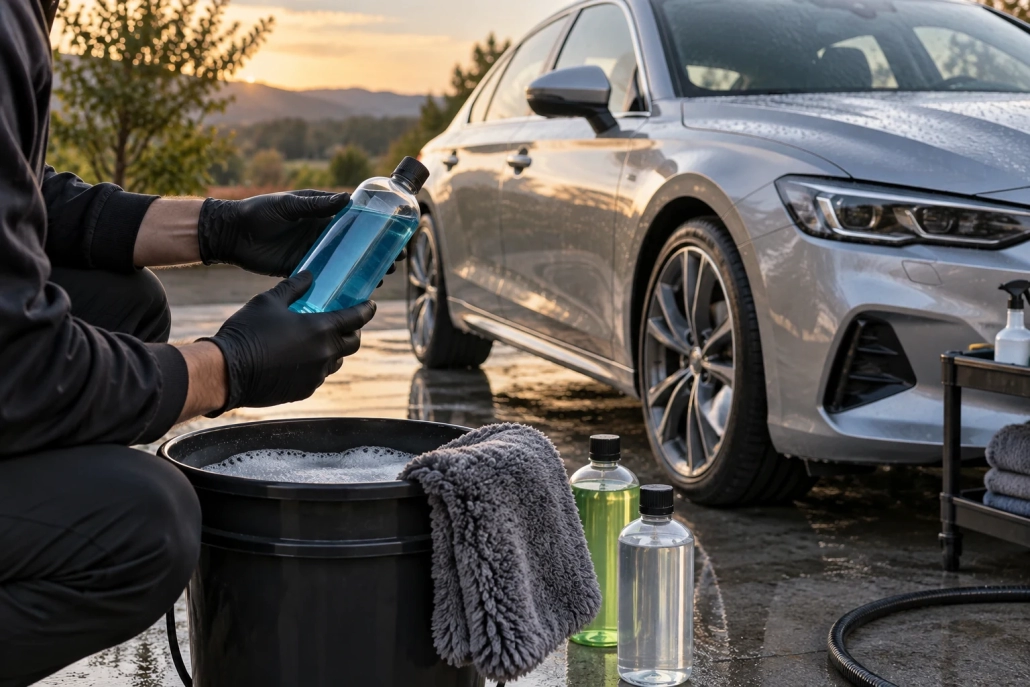
A maintenance plan needs an escalation boundary. Without one, an operator may repeatedly increase cleaner strength or mechanical effort whenever a mark remains.
Name the approved products, dilution, tools and process for the exact surface system. Include the accepted result and any permitted repeat step. Avoid a vague instruction to “clean until clear.”
Photograph the area, record the method already used and identify the location. Keep relevant product labels and job history available. Further improvised treatment can destroy evidence and make diagnosis harder.
Provide a named role or support route and the information required for a response. Define who may approve a test patch, specialist cleaning or repair. For example, a deposit that survives routine care may need material identification before removal is attempted. The escalation process should return a clear approved action and update the care record if the method changes. Stopping at a defined boundary is part of competent maintenance, not an admission that every persistent mark is permanent damage.
Ask NANOLAB about your surface and intended use. For application and care, use the current instructions for the exact product.
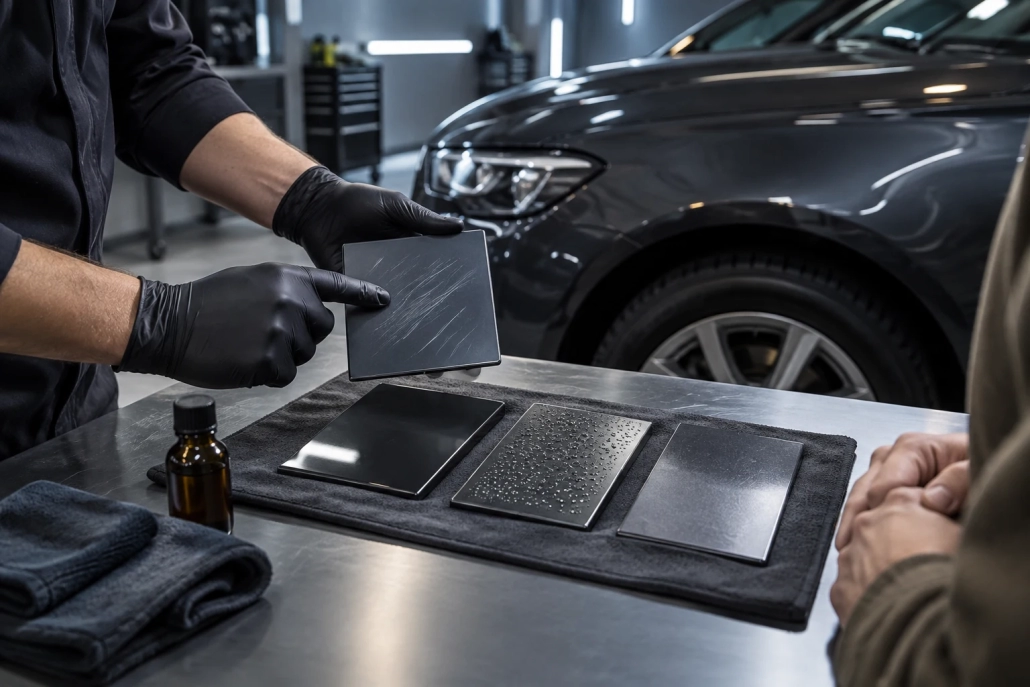
Keep coating performance statements connected to their product version, test method and limitations before using them in sales material.

Document the starting condition, cleaning performed and findings of a coating maintenance visit so future decisions have a clear reference.
Set coating-care reminders around actual use, exposure and inspection findings instead of relying only on one fixed calendar interval.

 Coating Care Reminders Based on Use and Exposure