






A full polishing range.
From cutting and one-step correction to final finishing.
Specialist chemistry. Expert application.
 QUARTZ99 / CERAMIC BASE COAT
The foundation of your coating system.
A layerable quartz base coat designed for mechanical protection. Pair it with a suitable top coat to create the final finish.
For application by NANOLAB certified installers only.
Four formulas. Extended working time. Find the coating for your finish.
Explore the BEAST family of ceramic coatings.
Find the coating for each exterior surface.
 PPF & VINYLGLOSSProtection for glossy films and wraps.Discover
 MATTE & SATINMATTEProtection that respects the finish.Discover
 GLASSWINDOWSExplore dedicated glass protection.Discover
 WHEEL PROTECTIONWHEELSA dedicated coating for your wheels.Discover
 TRIM PROTECTIONPLASTICProtection for plastic surfaces.Discover
Dedicated care for the surfaces inside.
 LEATHER SURFACESLEATHERDiscover NANOLAB leather protection.Discover PLASTIC SURFACESPLASTICProtection for interior plastic surfaces.Discover TEXTILE SURFACESFABRICExplore the latest fabric formulation.Discover
Spray protection, maintenance and upcoming wash products.
 MAINTENANCEBEAST 365Explore the BEAST maintenance range.Discover
Next in washing, cleaning & care.
Ceramic protection for boats and yachts.
An easy-to-apply ceramic coating with an established track record on boats and yachts around the world.
Results vary with surface preparation, exposure and maintenance.
Read 50 MARINE guides →Explore MARINEProtection for the surfaces you live with.
A look at what we’re developing.
From cutting and one-step correction to final finishing.
A wider range for professional vehicle care.
Taking shape alongside BEAST & MATRIX.
Practical guidance for your next coating project.
Explore all guides →
Assess gloss, texture and refinishing instructions before applying ceramic coating to powder-coated wheels.
Updated · NANOLAB Knowledge
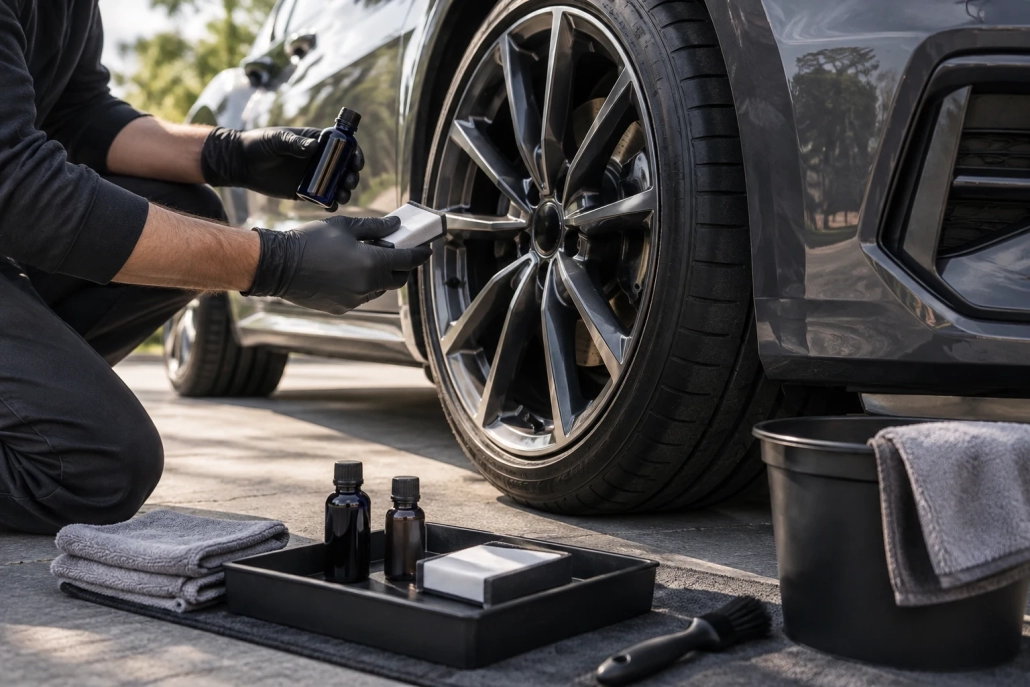
Powder-coated wheels can have glossy, satin, matte or textured finishes. The coating decision should account for that final surface and its care requirements. The name of the finishing process alone does not establish compatibility with every ceramic coating or preparation chemical.
Ask who applied the finish, when it was completed and which cleaning or protection restrictions apply. Inspect for defects before treatment. Do not use a ceramic coating appointment to conceal an unresolved refinishing issue.
Separate smooth faces from textured pockets and any areas finished differently. A gloss-enhancing coating may not suit an intentionally matte appearance. Agree the desired result with the owner before a test area is selected.
Use the proposed cleaning, final preparation and coating sequence on an appropriate inconspicuous area. Evaluate the finish after the prescribed curing stage, including sheen and visible residue. Confirm that excess can be removed from textured or recessed areas without excessive rubbing.
Do not polish a matte or textured finish as if it were conventional glossy paint. If the proposed coating changes its appearance unacceptably, choose a suitable alternative rather than assuming the change will disappear.
Check NANOLAB WHEELS for product-specific suitability and application guidance. Keep mounting faces, braking friction surfaces and other functional areas outside the treatment unless explicitly approved for the exact use.
Provide a finish-aware wash routine and a record of the selected product. Powder coating plus ceramic protection is still a surface system requiring care; it should not be marketed as immune to abrasion, harsh chemicals or impact damage.
Check wheel finish and product compatibility, prepare intricate areas carefully and keep coating away from components that require friction.
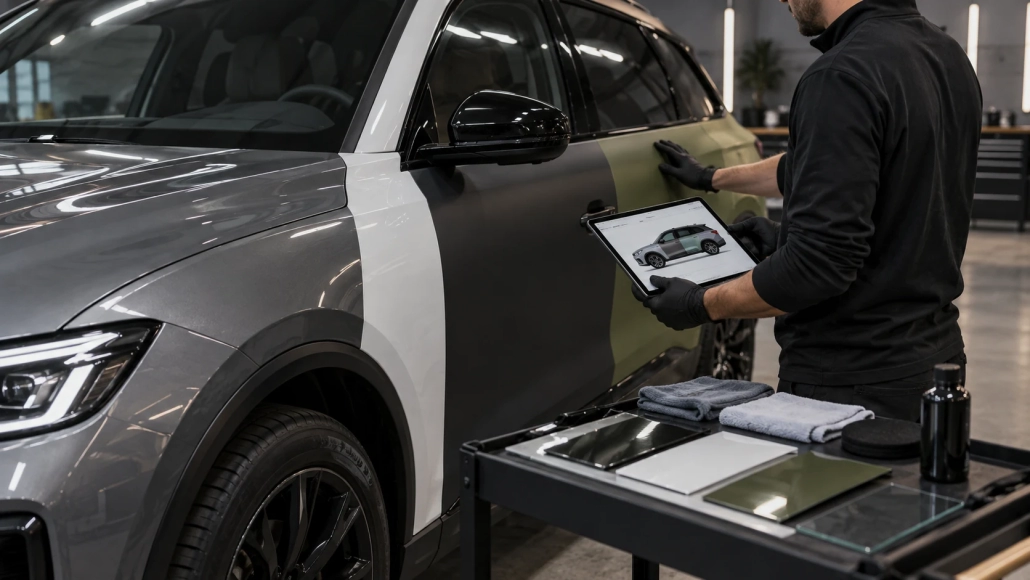
Identify anodised or coated aluminium trim and confirm preparation compatibility before considering ceramic protection.
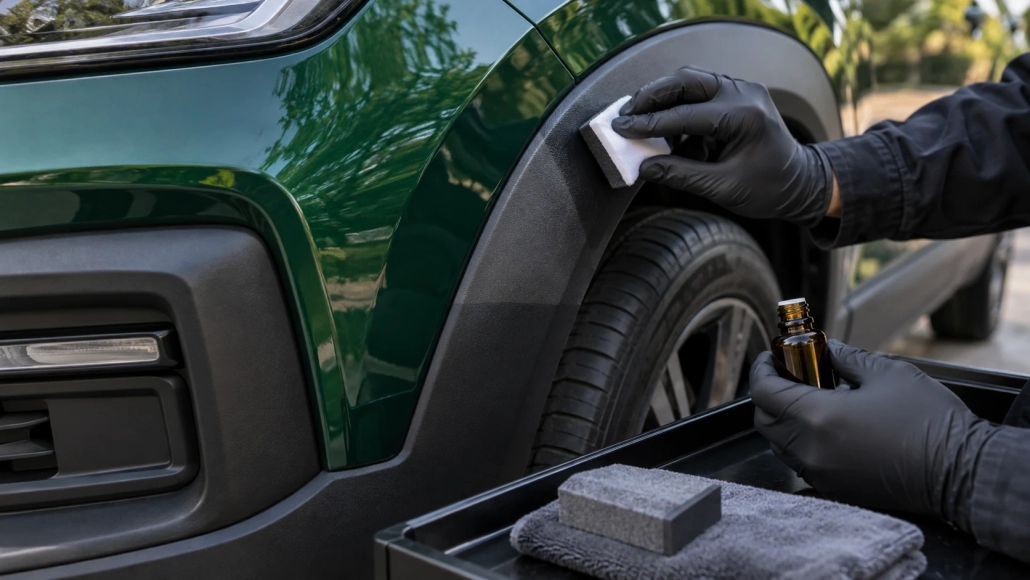
Test preparation and controlled application on textured automotive plastic before extending ceramic coating across visible trim.

 Ceramic Coating on Anodised Trim: Compatibility Questions