






A full polishing range.
From cutting and one-step correction to final finishing.
Specialist chemistry. Expert application.
 QUARTZ99 / CERAMIC BASE COAT
The foundation of your coating system.
A layerable quartz base coat designed for mechanical protection. Pair it with a suitable top coat to create the final finish.
For application by NANOLAB certified installers only.
Four formulas. Extended working time. Find the coating for your finish.
Explore the BEAST family of ceramic coatings.
Find the coating for each exterior surface.
 PPF & VINYLGLOSSProtection for glossy films and wraps.Discover
 MATTE & SATINMATTEProtection that respects the finish.Discover
 GLASSWINDOWSExplore dedicated glass protection.Discover
 WHEEL PROTECTIONWHEELSA dedicated coating for your wheels.Discover
 TRIM PROTECTIONPLASTICProtection for plastic surfaces.Discover
Dedicated care for the surfaces inside.
 LEATHER SURFACESLEATHERDiscover NANOLAB leather protection.Discover PLASTIC SURFACESPLASTICProtection for interior plastic surfaces.Discover TEXTILE SURFACESFABRICExplore the latest fabric formulation.Discover
Spray protection, maintenance and upcoming wash products.
 MAINTENANCEBEAST 365Explore the BEAST maintenance range.Discover
Next in washing, cleaning & care.
Ceramic protection for boats and yachts.
An easy-to-apply ceramic coating with an established track record on boats and yachts around the world.
Results vary with surface preparation, exposure and maintenance.
Read 50 MARINE guides →Explore MARINEProtection for the surfaces you live with.
A look at what we’re developing.
From cutting and one-step correction to final finishing.
A wider range for professional vehicle care.
Taking shape alongside BEAST & MATRIX.
Practical guidance for your next coating project.
Explore all guides →
Identify the exposed finish and existing damage before choosing ceramic coating for diamond-cut or machined wheel designs.
Updated · NANOLAB Knowledge
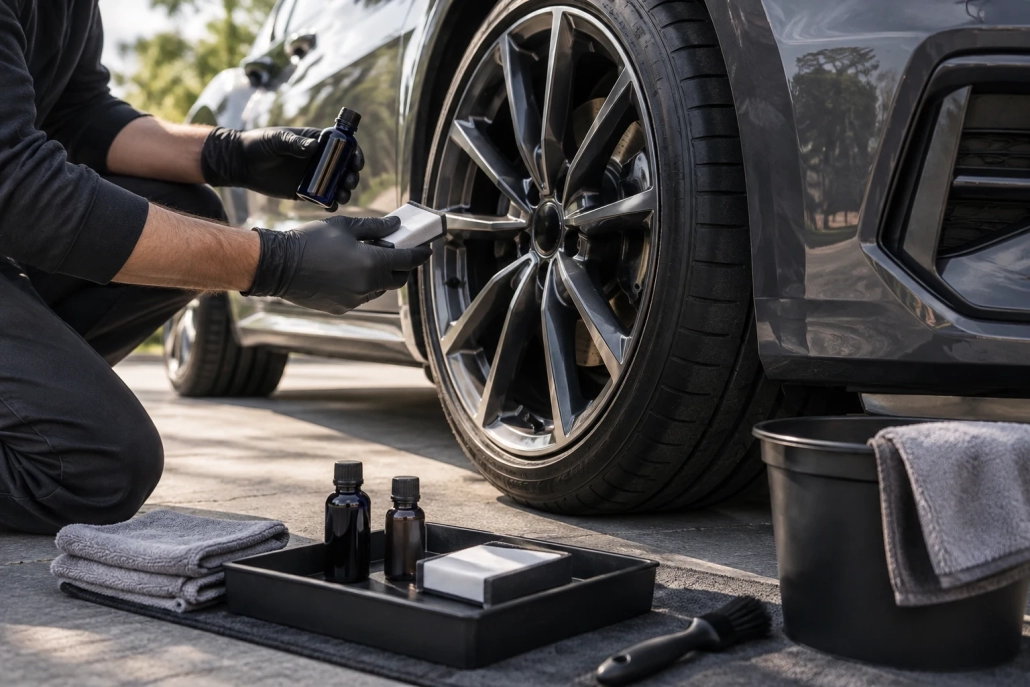
The term diamond-cut describes an appearance and manufacturing process, not a complete coating-compatibility specification. A wheel may combine a machined face, painted pockets and a protective clear finish. Assess those surfaces separately before selecting ceramic coating.
Look for chips, peeling, discolouration and corrosion-like marks around damaged areas. Ask about previous refurbishment and the refinisher’s care requirements. A ceramic coating should not be presented as a repair for a failing clear finish or a way to seal in unresolved corrosion.
Record whether the face and inner areas have the same treatment. Do not assume bare metal is exposed simply because the surface looks metallic. Obtain reliable finish information when the distinction affects product selection.
Clean with methods approved for the wheel and its actual condition. Avoid an aggressive cleaner chosen solely because brake dust is stubborn. If wheel removal is needed, have the work completed through the correct service procedure; do not coat mounting or braking friction surfaces.
Dry accessible recesses and inspect for cleaner residue before final preparation. Test the selected coating on a suitable area, including appearance after the required curing stage.
NANOLAB WHEELS is a dedicated wheel-coating option to evaluate against the finish and current instructions. Its use does not eliminate regular cleaning or prevent every chip from road impacts.
At handover, identify any pre-existing damage and specify the cleaner and tools appropriate to the wheel. If deterioration continues from an existing defect, seek wheel-refinishing advice rather than layering additional coating over the changing area.
Check wheel finish and product compatibility, prepare intricate areas carefully and keep coating away from components that require friction.
Assess gloss, texture and refinishing instructions before applying ceramic coating to powder-coated wheels.
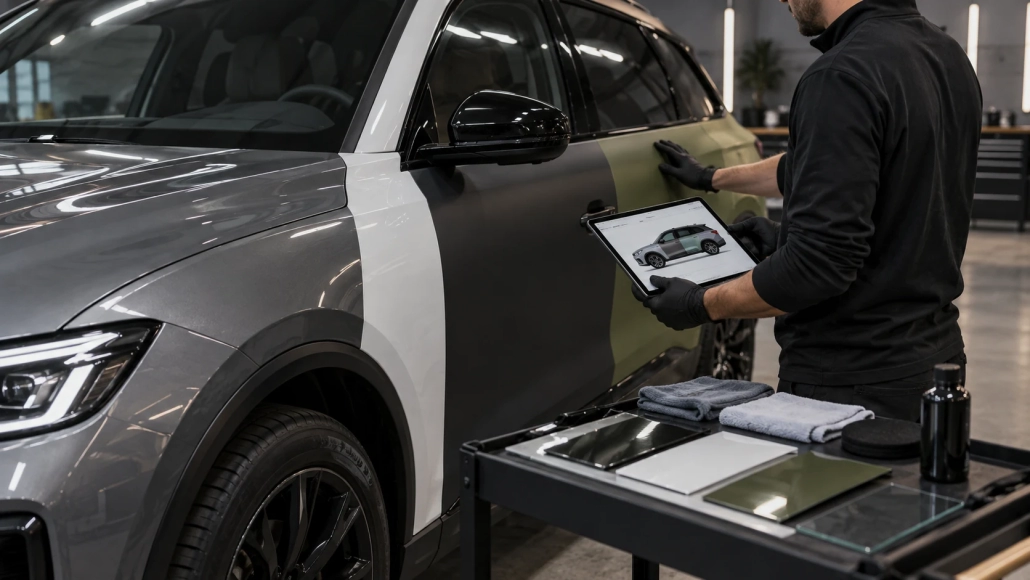
Identify anodised or coated aluminium trim and confirm preparation compatibility before considering ceramic protection.

 Ceramic Coating on Powder-Coated Wheels