
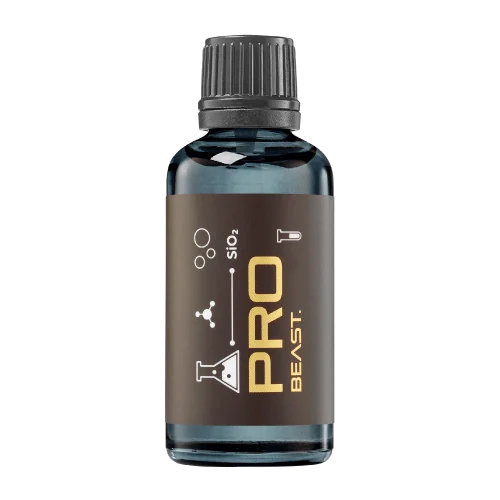
IN DEVELOPMENT / MATRIX SERIES
MATRIX ELITE P7020
The next flagship of the MATRIX series.
75%Solids content
Specialist chemistry. Expert application.
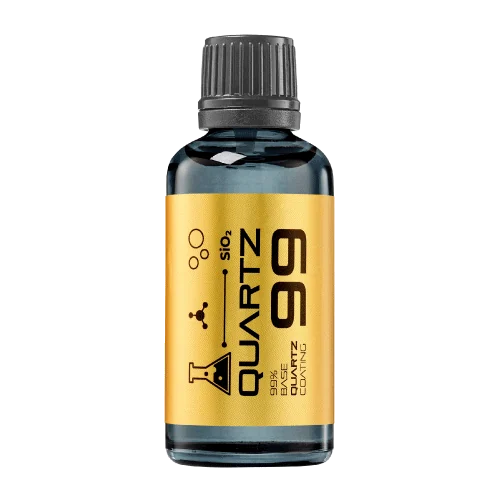 QUARTZ99 / CERAMIC BASE COAT
The foundation of your coating system.
A layerable quartz base coat designed for mechanical protection. Pair it with a suitable top coat to create the final finish.
For application by NANOLAB certified installers only.
Extended working time. A coating for the way you work.
 P5012MATRIX PRORefined protection for glossy finishes.Application1/10Discover P503GMATRIX GRAPHENEVersatile protection for gloss and matte finishes.Application1/10Discover P303MATRIX LITEFor efficient, high-volume detailing.Application1/10Discover
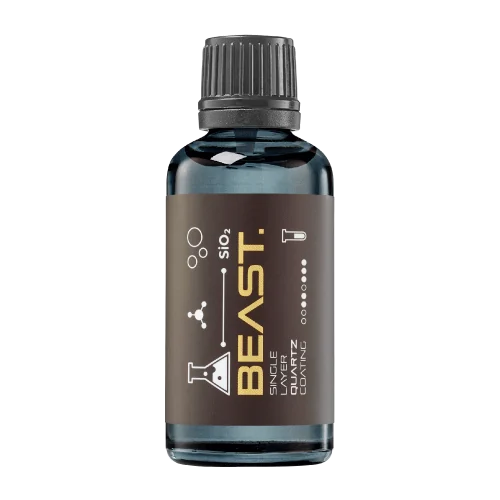
 Explore the BEAST family of ceramic coatings.
Find the coating for each exterior surface.
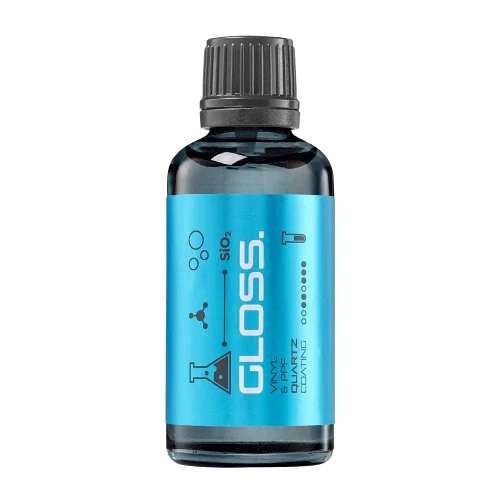 PPF & VINYLGLOSSProtection for glossy films and wraps.Application3/10Discover
 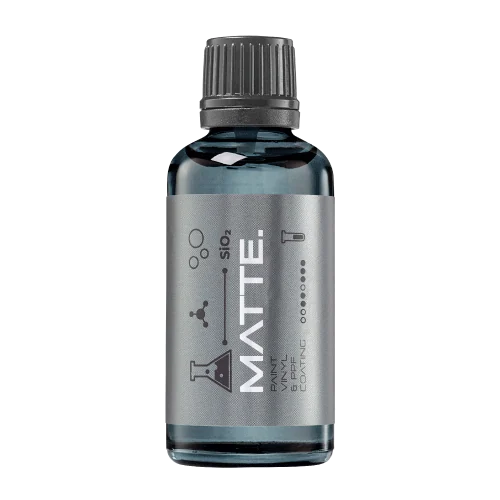 MATTE & SATINMATTEProtection that respects the finish.Application3/10Discover
 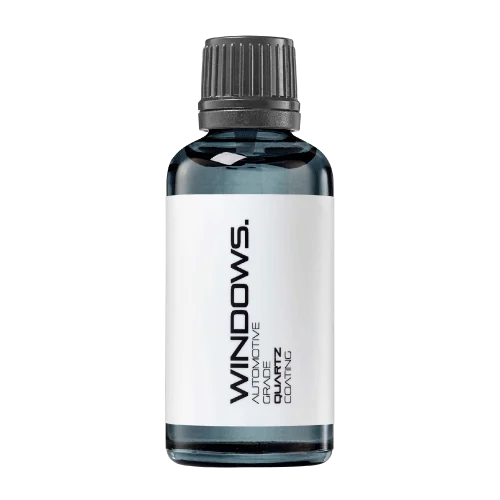 GLASSWINDOWSExplore dedicated glass protection.Application3/10Discover
 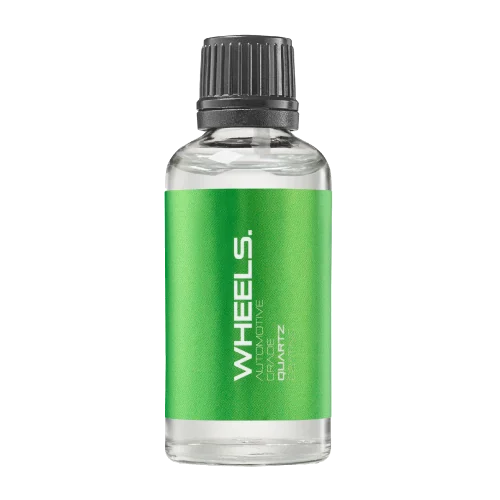 WHEEL PROTECTIONWHEELSA dedicated coating for your wheels.Application2/10Discover
 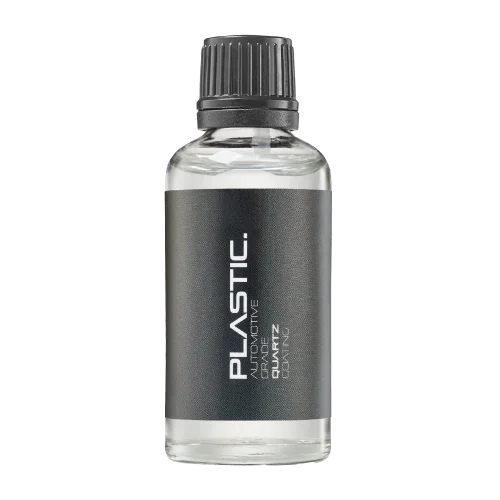 TRIM PROTECTIONPLASTICProtection for plastic surfaces.Application2/10Discover
 Dedicated care for the surfaces inside.
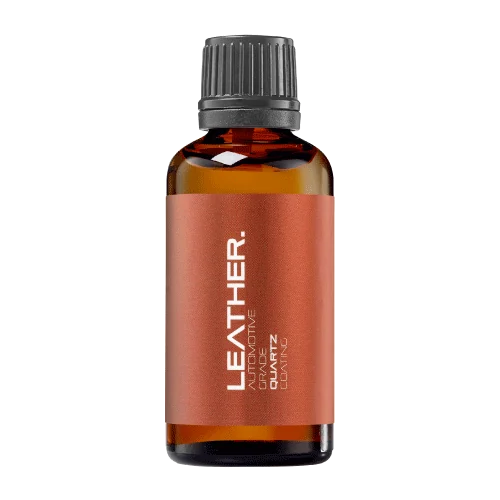 LEATHER SURFACESLEATHERDiscover NANOLAB leather protection.Application5/10Discover PLASTIC SURFACESPLASTICProtection for interior plastic surfaces.Application2/10Discover TEXTILE SURFACESFABRICExplore the latest fabric formulation.Application2/10Discover
 Spray protection, maintenance and upcoming wash products.
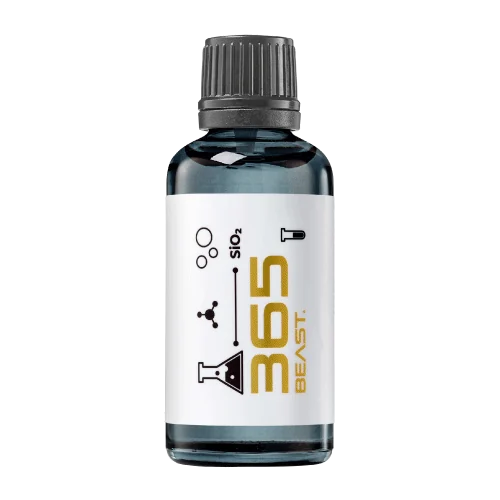 MAINTENANCEBEAST 365Explore the BEAST maintenance range.Application4/10Discover
 Next in washing, cleaning & care.
Ceramic protection for boats and yachts.
An easy-to-apply ceramic coating with an established track record on boats and yachts around the world.
Results vary with surface preparation, exposure and maintenance.
Read 50 MARINE guides →Explore MARINE Application4/10Protection for the surfaces you live with.
A look at what we’re developing.
The next flagship of the MATRIX series.
From cutting and one-step correction to final finishing.
A wider range for professional vehicle care.
Taking shape alongside BEAST & MATRIX.
Practical guidance for your next coating project.
Explore all guides →
Identify recent polishing, preparation and coating steps before treating white residue on textured or glossy trim.
Updated · NANOLAB Knowledge
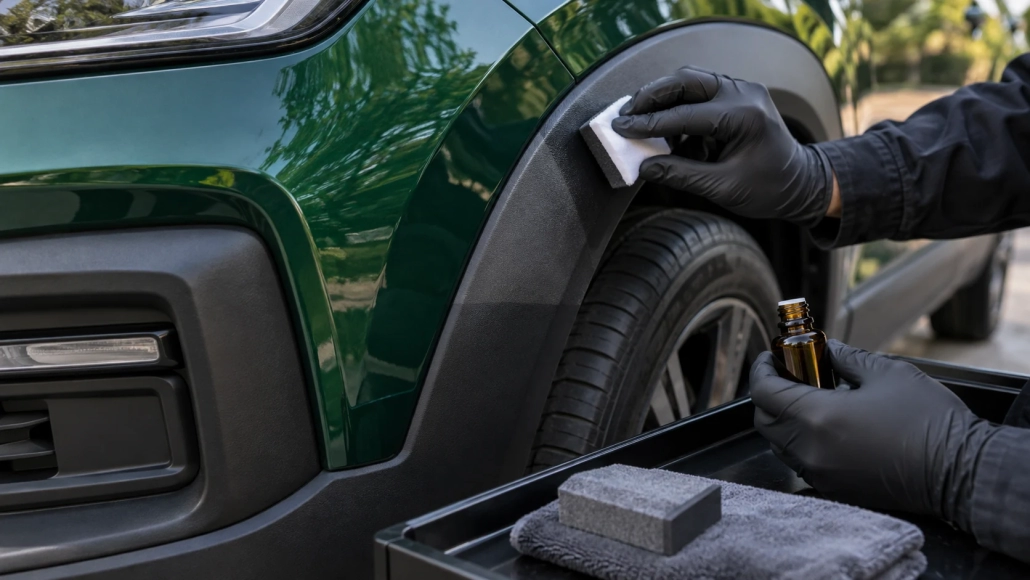
White residue noticed after a coating service may come from polishing, cleaning, dried product or another source. The fact that it appeared during a coating job does not identify the material. Begin with the trim type and the sequence of work, then choose a compatible assessment rather than an aggressive universal cleaner.
Distinguish textured plastic, glossy painted trim, rubber and decorative film. Note whether residue sits in texture, follows an edge or appears as a broad haze. Photograph the dry area under useful light before adding a dressing that could conceal the observation.
Use the plastic trim coating guide for material-specific considerations. A cleaner suitable for one trim surface may be inappropriate for the adjacent material.
Check whether the area was masked, exposed to polishing dust or contacted by preparation and coating products. Ask which products were used and when the residue was first visible. Keep the possibilities separate until there is evidence for a particular source.
The polishing dust cleanup guide is relevant where correction preceded coating. Do not assume that all pale residue is dried ceramic coating.
Follow the trim and product guidance for the suspected residue. Test in a permitted discreet area and inspect for changes in colour, gloss or texture. Avoid scraping, abrasive pads or improvised solvent mixtures, especially on textured or uncertain surfaces.
If the material may be curing coating residue, ask the installer or manufacturer for the appropriate response at that stage. Repeated generic cleaning can make diagnosis harder without resolving the cause.
Assess the dry result before applying any approved trim protection. If a mark remains, record what was attempted and obtain further guidance. Do not promise that a darker dressing has repaired a permanent surface change.
Review masking before coating and cross-contamination control to improve the next job. The useful outcome is a confirmed, compatible resolution and a clearer process around the affected trim.
Assess plastic type and condition, remove old dressing appropriately and test for even appearance before coating textured trim.
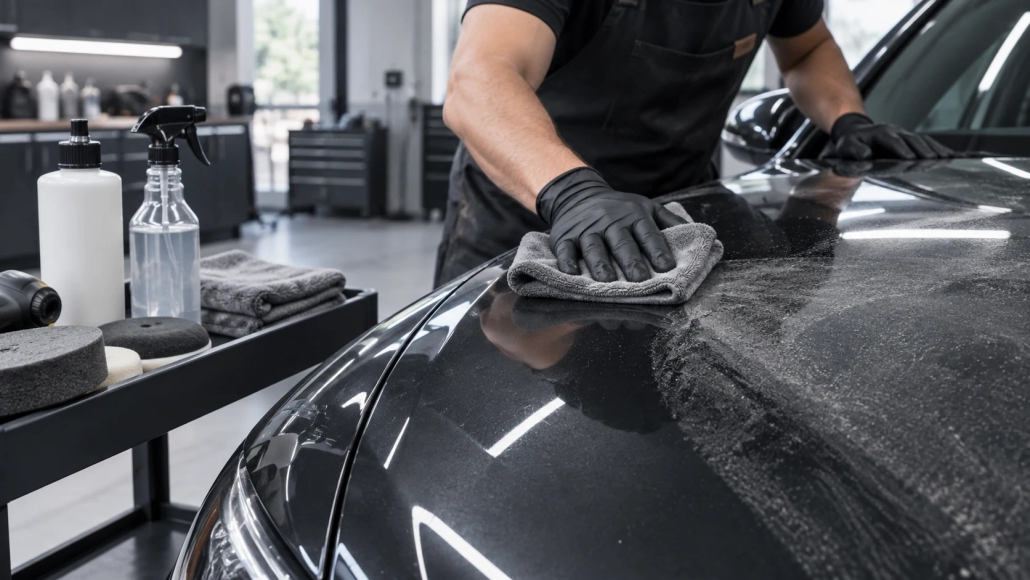
Remove polishing dust from seams, trim and the work area before final panel preparation and ceramic coating application.
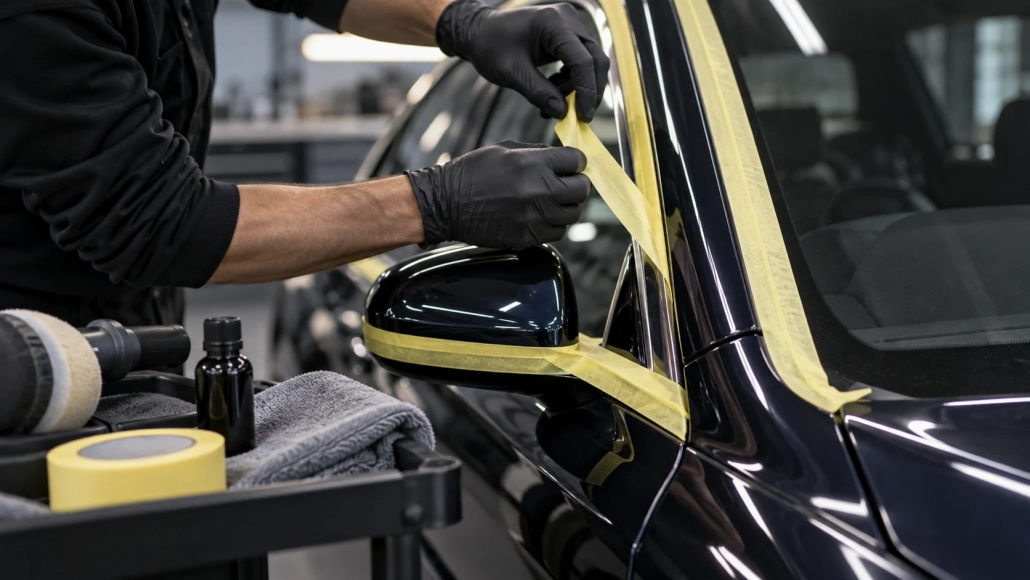
Protect sensitive trim and edges during preparation, and remove masking at the right stage so residue and moisture do not interfere with coating.

 Morning Dew on a Ceramic-Coated Car: A Practical Care Plan