
IN DEVELOPMENT / MATRIX SERIES
MATRIX ELITE P7020
The next flagship of the MATRIX series.
75%Solids content
Specialist chemistry. Expert application.
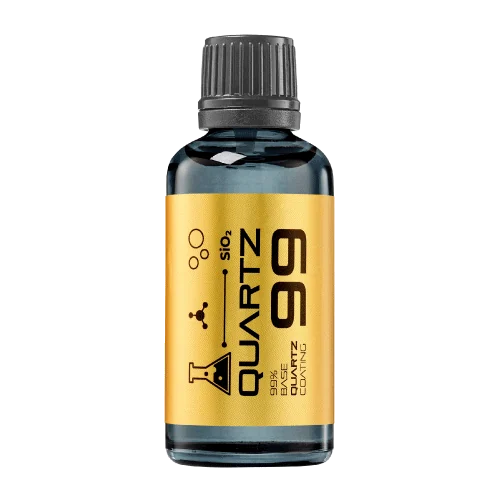 QUARTZ99 / CERAMIC BASE COAT
The foundation of your coating system.
A layerable quartz base coat designed for mechanical protection. Pair it with a suitable top coat to create the final finish.
For application by NANOLAB certified installers only.
Extended working time. A coating for the way you work.
 P5012MATRIX PRORefined protection for glossy finishes.Application1/10Discover P503GMATRIX GRAPHENEVersatile protection for gloss and matte finishes.Application1/10Discover P303MATRIX LITEFor efficient, high-volume detailing.Application1/10Discover
 Explore the BEAST family of ceramic coatings.
Find the coating for each exterior surface.
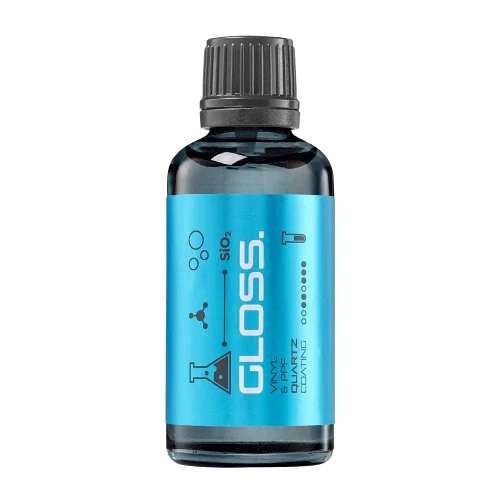 PPF & VINYLGLOSSProtection for glossy films and wraps.Application3/10Discover
 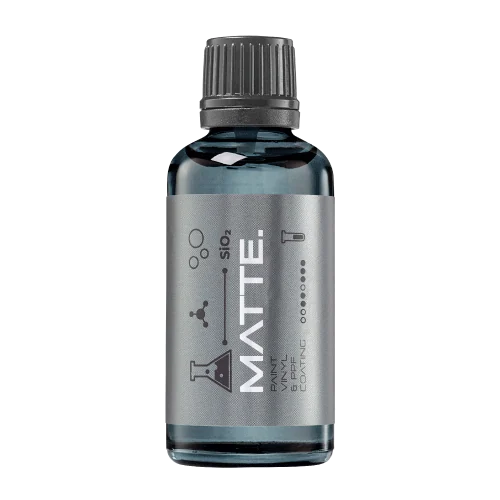 MATTE & SATINMATTEProtection that respects the finish.Application3/10Discover
 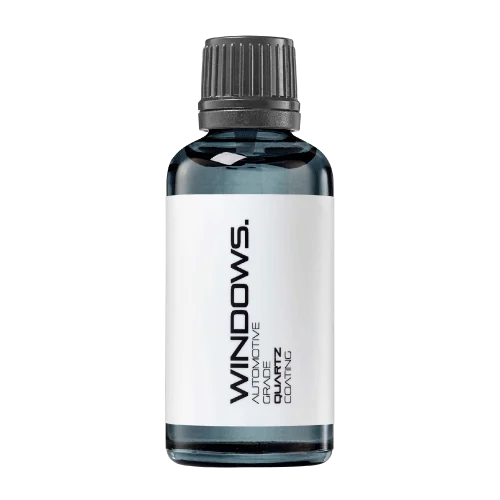 GLASSWINDOWSExplore dedicated glass protection.Application3/10Discover
 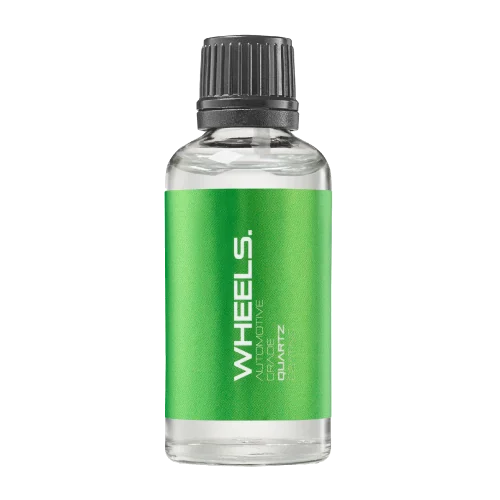 WHEEL PROTECTIONWHEELSA dedicated coating for your wheels.Application2/10Discover
 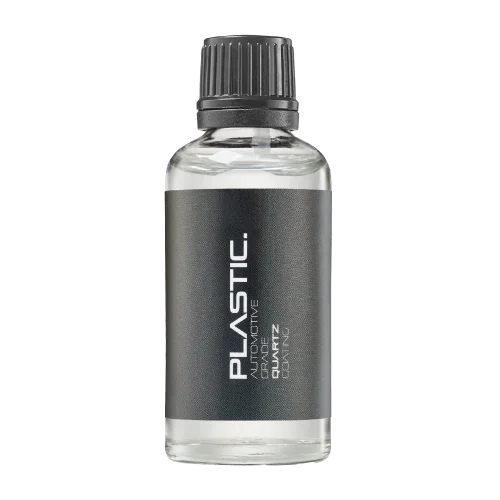 TRIM PROTECTIONPLASTICProtection for plastic surfaces.Application2/10Discover
 Dedicated care for the surfaces inside.
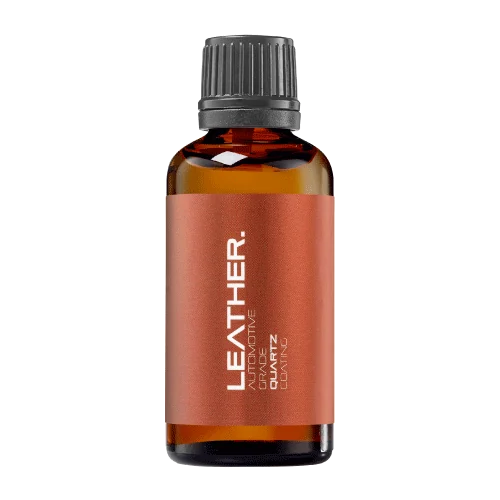 LEATHER SURFACESLEATHERDiscover NANOLAB leather protection.Application5/10Discover PLASTIC SURFACESPLASTICProtection for interior plastic surfaces.Application2/10Discover TEXTILE SURFACESFABRICExplore the latest fabric formulation.Application2/10Discover
 Spray protection, maintenance and upcoming wash products.
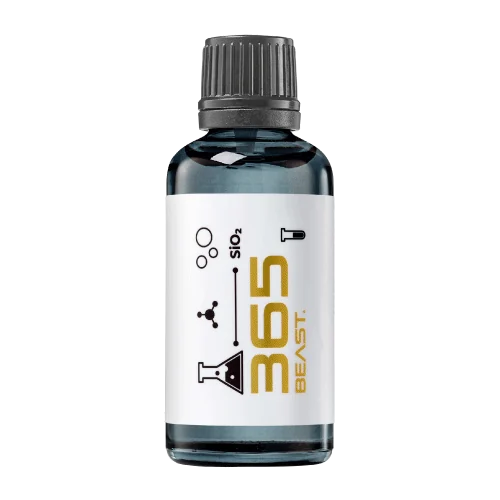 MAINTENANCEBEAST 365Explore the BEAST maintenance range.Application4/10Discover
 Next in washing, cleaning & care.
Ceramic protection for boats and yachts.
An easy-to-apply ceramic coating with an established track record on boats and yachts around the world.
Results vary with surface preparation, exposure and maintenance.
Read 50 MARINE guides →Explore MARINE Application4/10Protection for the surfaces you live with.
A look at what we’re developing.
The next flagship of the MATRIX series.
From cutting and one-step correction to final finishing.
A wider range for professional vehicle care.
Taking shape alongside BEAST & MATRIX.
Practical guidance for your next coating project.
Explore all guides →
Use controlled access and compatible cleaning to care for film in door-handle cups without catching edges or forcing tools into narrow gaps.
Updated · NANOLAB Knowledge
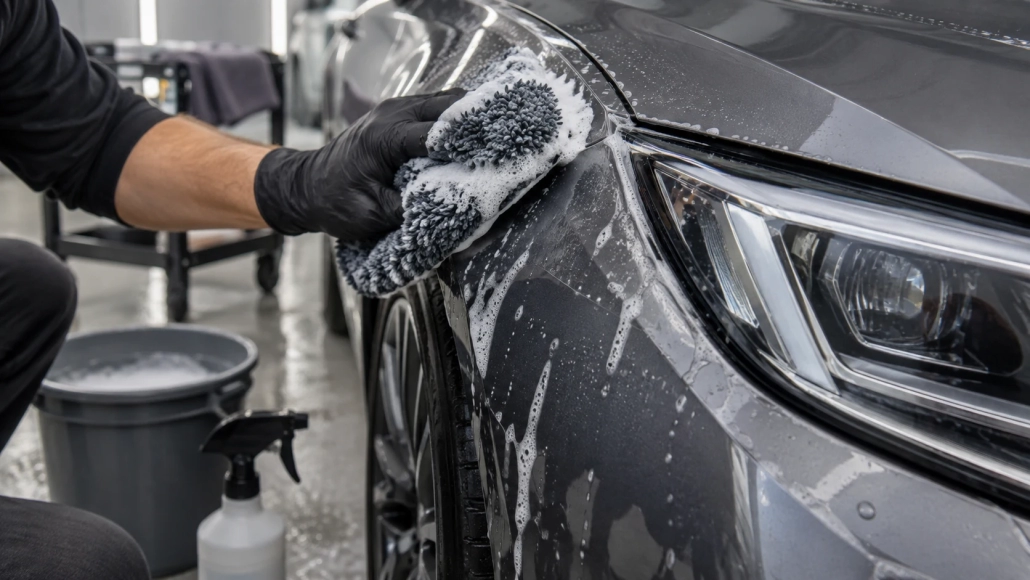
Small PPF pieces inside door-handle cups protect a frequently touched area, but they can be awkward to clean. Dirt collects near edges and fingernail marks may attract attention. The limited space makes tool control and film condition more important than aggressive scrubbing or a powerful water jet.
Check for lifted edges, cuts or trapped debris. Identify whether the visible mark is on the film, around its boundary or on adjacent unprotected paint. Do not pick at a corner to determine how the film was installed.
Use the PPF edge-lifting guide if adhesion appears questionable. An intact small film piece and a damaged one should not receive the same routine.
Use clean, suitable wash media that can reach the accessible area without catching the film boundary. Avoid sharp tools, abrasive pads or an improvised brush chosen only because it is small. Keep the handle and surrounding paint within the vehicle’s normal washing guidance.
The washing PPF edges guide explains why edge direction and controlled contact matter. Work with the available access instead of forcing a tool underneath the handle or film.
Follow the film and cleaning-product instructions. Prevent cleaner from drying in the recess and manage remaining wash solution before drying. Do not direct concentrated pressure into an edge or opening to compensate for difficult access.
Use pressure washing a coated car for the broader setup, while respecting the film’s specific restrictions. If dirt remains trapped beneath the film, that is an installer-assessment issue rather than an ordinary surface-cleaning task.
After drying, inspect the area under useful lighting. Surface marks may differ in depth and cause, and any self-healing behaviour depends on the specific film and its instructions. Avoid applying uncontrolled heat or polishing a small recess as an automatic response.
The PPF self-healing expectations guide helps frame the next decision. Careful cleaning and an intact edge are better outcomes than chasing every visible mark with a process the film does not support.
Stop contact with a lifting film edge, document the condition and ask the installer to assess it before attempting cleaning or repair.
Clean around PPF seams and edges with controlled water direction, suitable wash media and inspection of any existing lifting.
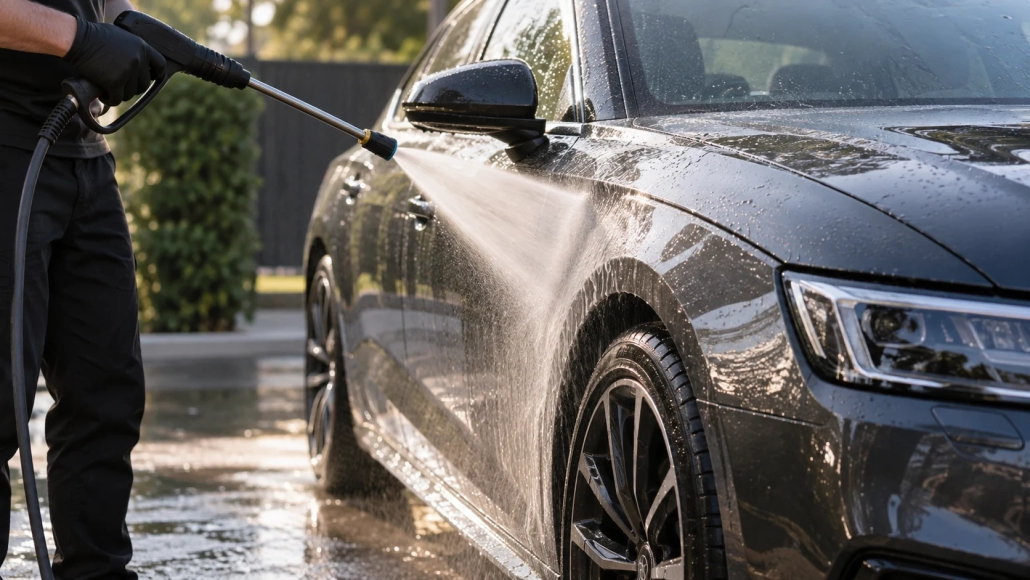
Use pressure washing to remove loose dirt while controlling nozzle choice, distance, direction and vulnerable edges.

 Updating the Coating Plan After One PPF Panel Is Replaced