

IN DEVELOPMENT / MATRIX SERIES
MATRIX ELITE P7020
The next flagship of the MATRIX series.
75%Solids content
Specialist chemistry. Expert application.
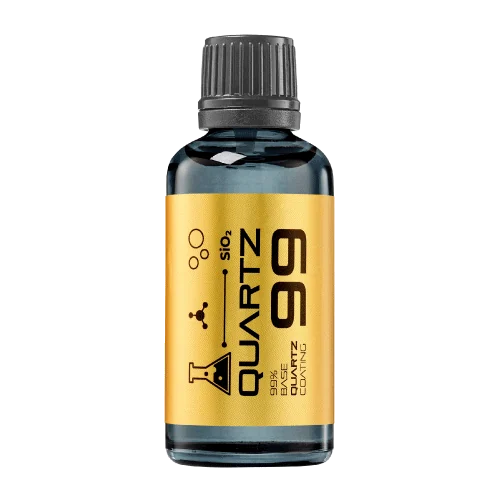 QUARTZ99 / CERAMIC BASE COAT
The foundation of your coating system.
A layerable quartz base coat designed for mechanical protection. Pair it with a suitable top coat to create the final finish.
For application by NANOLAB certified installers only.
Extended working time. A coating for the way you work.
 P5012MATRIX PRORefined protection for glossy finishes.Application1/10Discover P503GMATRIX GRAPHENEVersatile protection for gloss and matte finishes.Application1/10Discover P303MATRIX LITEFor efficient, high-volume detailing.Application1/10Discover
 Explore the BEAST family of ceramic coatings.
Find the coating for each exterior surface.
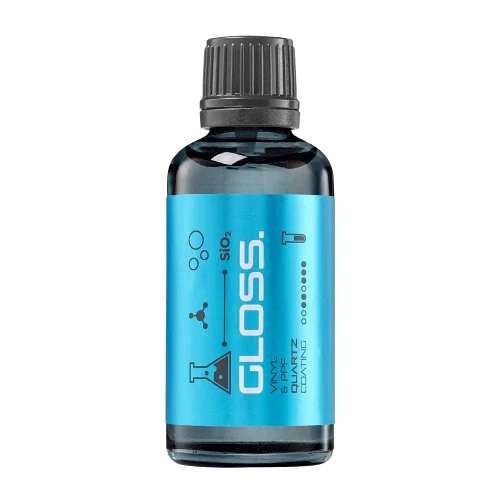 PPF & VINYLGLOSSProtection for glossy films and wraps.Application3/10Discover
 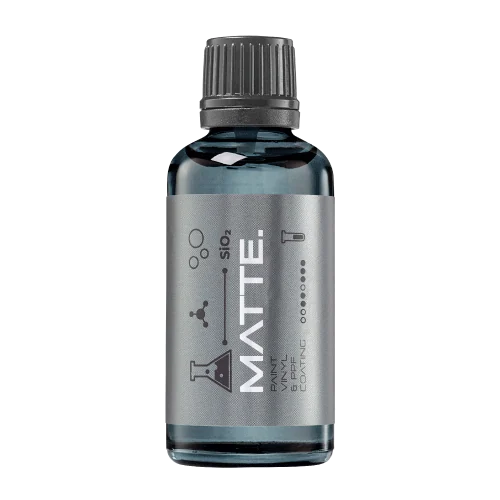 MATTE & SATINMATTEProtection that respects the finish.Application3/10Discover
 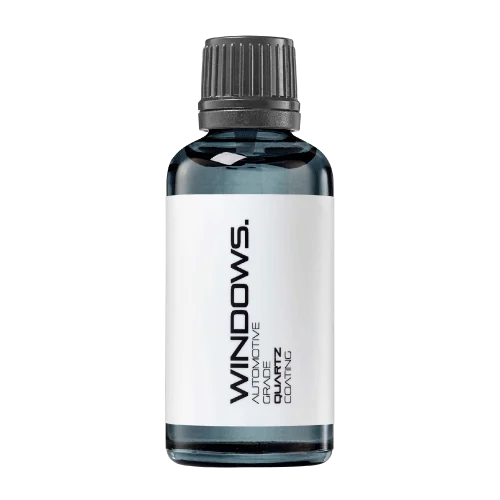 GLASSWINDOWSExplore dedicated glass protection.Application3/10Discover
 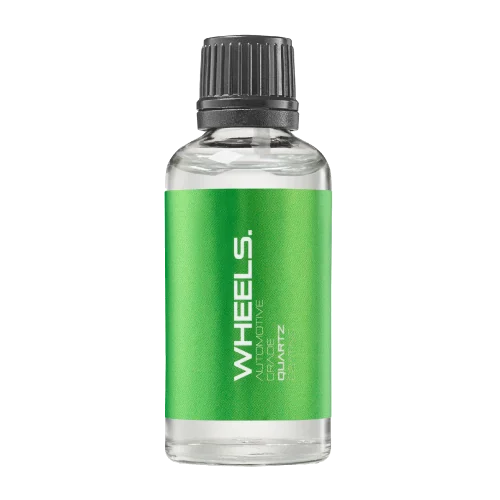 WHEEL PROTECTIONWHEELSA dedicated coating for your wheels.Application2/10Discover
 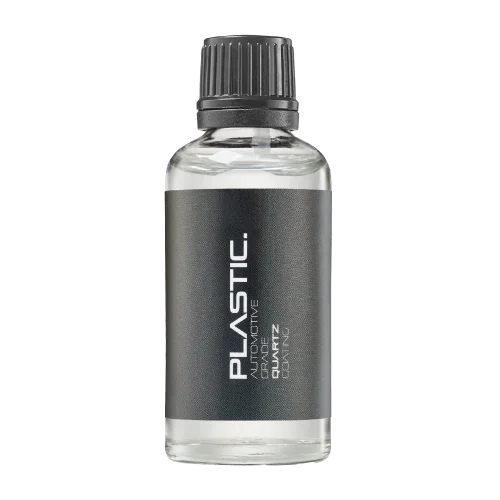 TRIM PROTECTIONPLASTICProtection for plastic surfaces.Application2/10Discover
 Dedicated care for the surfaces inside.
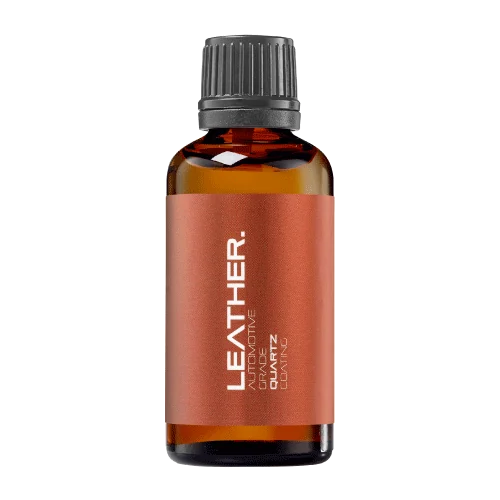 LEATHER SURFACESLEATHERDiscover NANOLAB leather protection.Application5/10Discover PLASTIC SURFACESPLASTICProtection for interior plastic surfaces.Application2/10Discover TEXTILE SURFACESFABRICExplore the latest fabric formulation.Application2/10Discover
 Spray protection, maintenance and upcoming wash products.
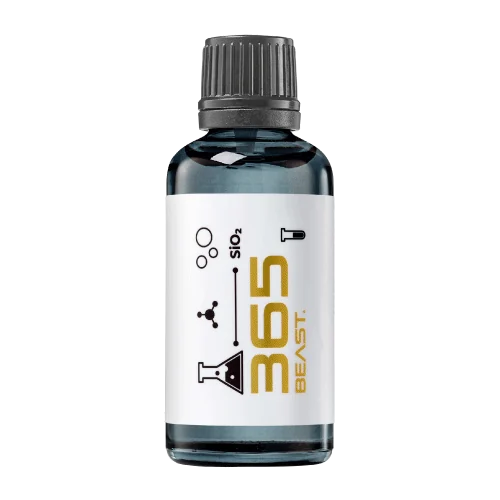 MAINTENANCEBEAST 365Explore the BEAST maintenance range.Application4/10Discover
 Next in washing, cleaning & care.
Ceramic protection for boats and yachts.
An easy-to-apply ceramic coating with an established track record on boats and yachts around the world.
Results vary with surface preparation, exposure and maintenance.
Read 50 MARINE guides →Explore MARINE Application4/10Protection for the surfaces you live with.
A look at what we’re developing.
The next flagship of the MATRIX series.
From cutting and one-step correction to final finishing.
A wider range for professional vehicle care.
Taking shape alongside BEAST & MATRIX.
Practical guidance for your next coating project.
Explore all guides →
Assess surface cleanliness and cure status before removing fingerprints so a small cosmetic mark does not become an unnecessary wiping problem.
Updated · NANOLAB Knowledge

Fingerprints are easy to notice on dark or glossy paint, especially under showroom lighting. The tempting response is a quick dry wipe, but the surrounding panel may also carry dust or grit. Choose the cleaning approach based on the surface condition and coating stage rather than the small size of the visible mark.
For a recent installation, follow the product’s handling and cleaning restrictions and ask the installer how to address the mark. Do not apply an unfamiliar detail spray or solvent to a fresh coating simply because it is marketed for quick touch-ups.
The cure-time guide explains why a surface that looks finished may still have restrictions. Avoid repeated handling while deciding what to do.
If the area carries visible dust or road film, use an appropriate wash process rather than treating the fingerprint as isolated. A clean indoor display vehicle and a car just driven through traffic should not receive the same automatic response.
Use the dust and sand guide when loose contamination is present. Do not test cleanliness by dragging a dry towel over the mark.
Where the coating is ready for normal care and a spot-cleaning product is approved, follow that product’s instructions with a clean suitable towel. Work gently and keep a clean face available. Do not saturate adjoining trim, film edges or sensitive components.
The microfiber selection guide helps explain why towel condition matters. If the mark does not respond as expected, stop before escalating to stronger chemistry or polishing.
Check the dry area from more than one angle. Residue from a cleaning product can resemble a fingerprint, while lighting can make a normal reflection appear like a smear. Confirm that the mark is actually still present before repeating treatment.
Review inspection reflection angles if the result is ambiguous. Preventing unnecessary touching during display or handover is often easier than repeatedly cleaning the same panel, particularly while a coating is still within its initial care period.
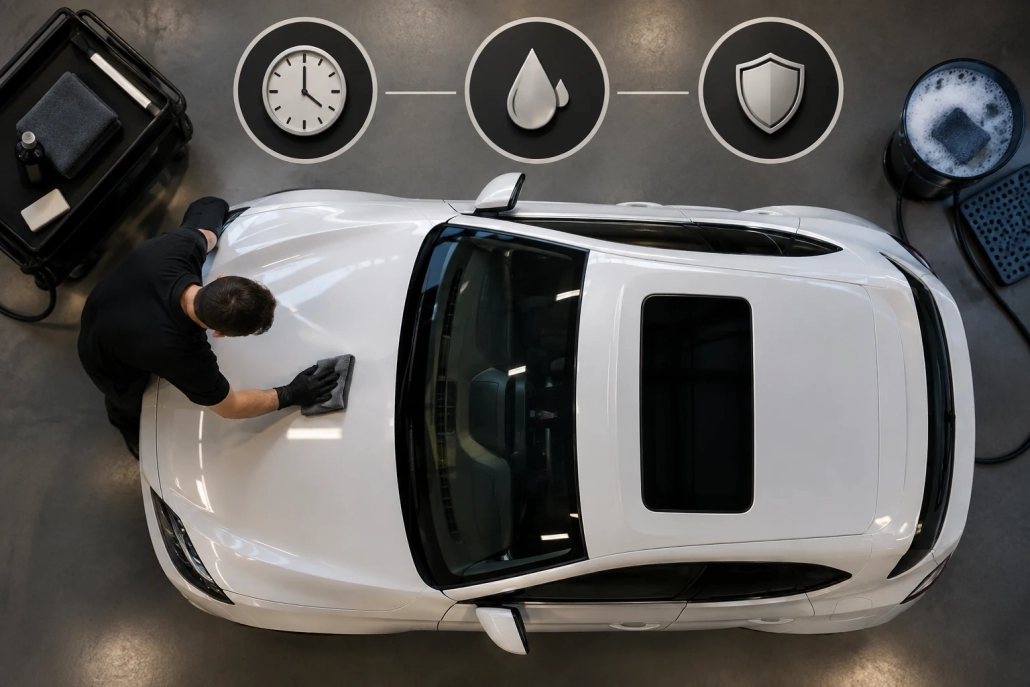
Separate the main curing milestones and use the exact NANOLAB product schedule instead of applying one universal waiting period.
Keep abrasive particles away from direct wiping and choose a cleaning process suited to the amount of dirt on the surface.
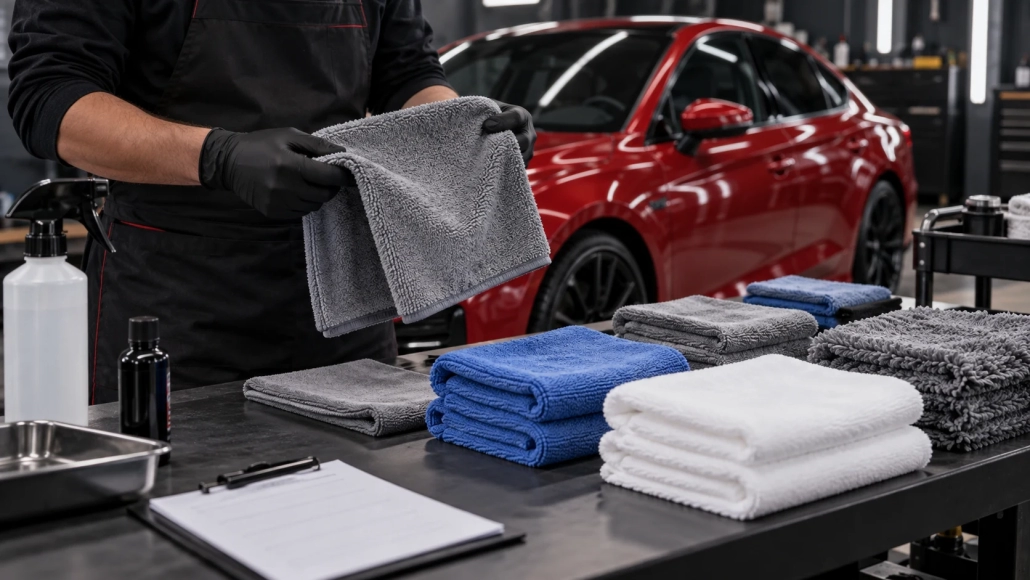
Choose towels by their role in the coating process, cleanliness and finish suitability rather than assuming the thickest towel is always best.

 Reviewing a Ceramic Coating After Winter Driving