
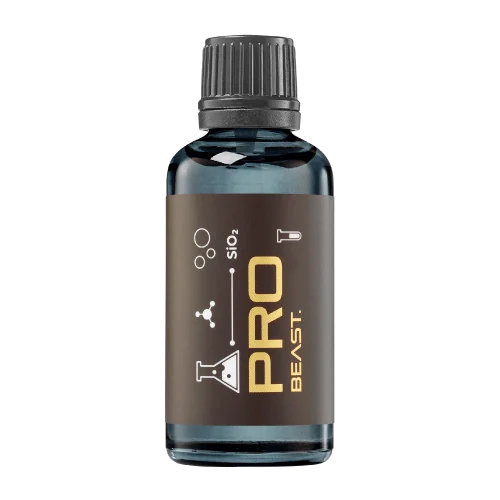
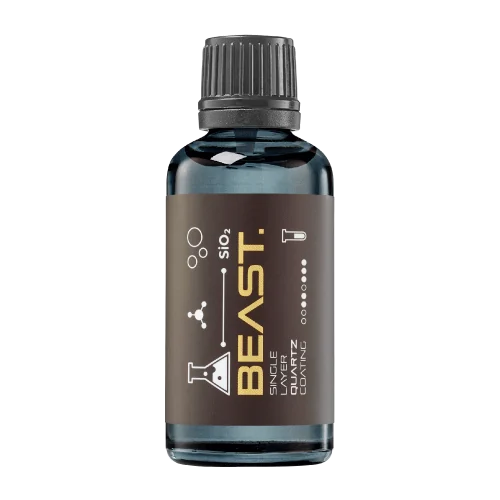
IN DEVELOPMENT / MATRIX SERIES
MATRIX ELITE P7020
The next flagship of the MATRIX series.
75%Solids content
Specialist chemistry. Expert application.
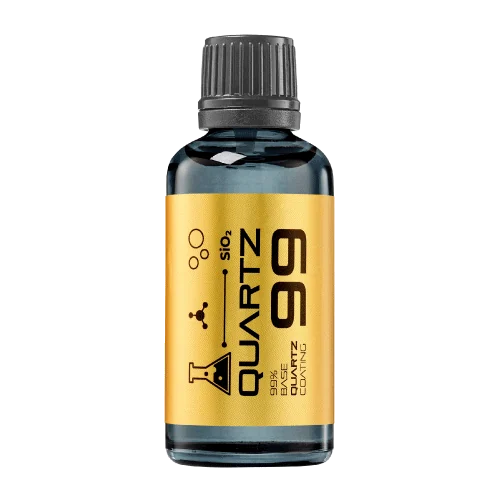 QUARTZ99 / CERAMIC BASE COAT
The foundation of your coating system.
A layerable quartz base coat designed for mechanical protection. Pair it with a suitable top coat to create the final finish.
For application by NANOLAB certified installers only.
Extended working time. A coating for the way you work.
 P5012MATRIX PRORefined protection for glossy finishes.Application1/10Discover P503GMATRIX GRAPHENEVersatile protection for gloss and matte finishes.Application1/10Discover P303MATRIX LITEFor efficient, high-volume detailing.Application1/10Discover
 Explore the BEAST family of ceramic coatings.
Find the coating for each exterior surface.
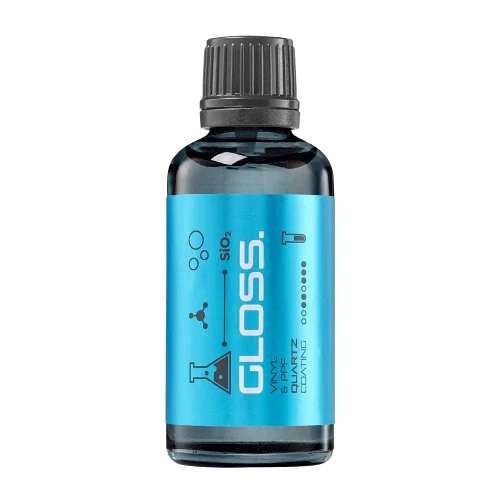 PPF & VINYLGLOSSProtection for glossy films and wraps.Application3/10Discover
 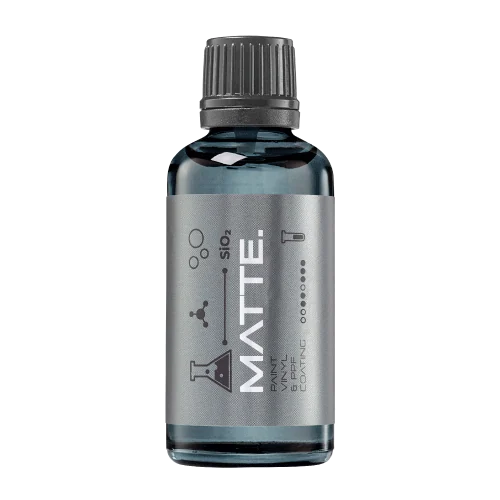 MATTE & SATINMATTEProtection that respects the finish.Application3/10Discover
 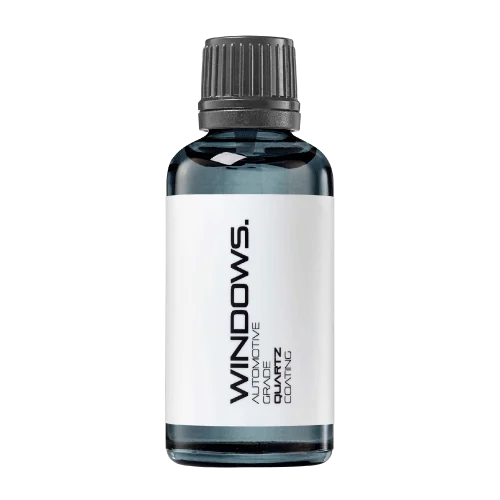 GLASSWINDOWSExplore dedicated glass protection.Application3/10Discover
 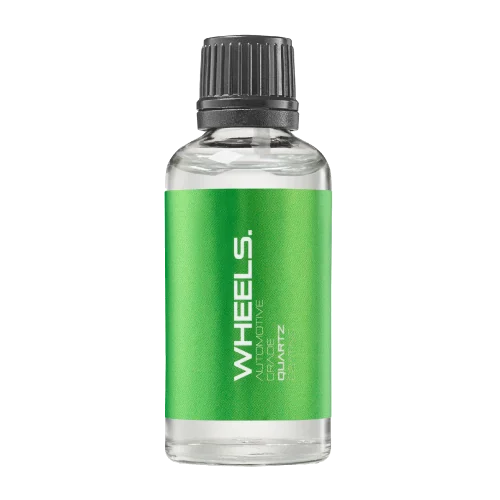 WHEEL PROTECTIONWHEELSA dedicated coating for your wheels.Application2/10Discover
 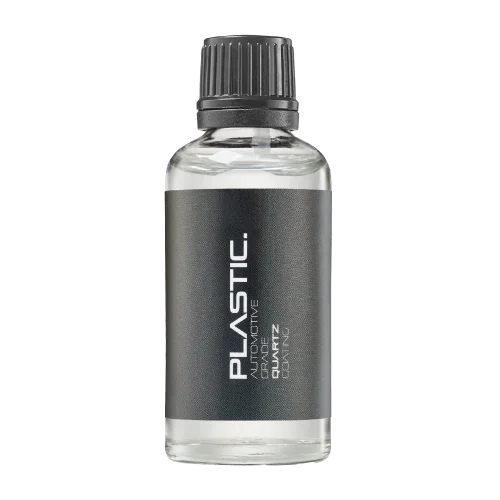 TRIM PROTECTIONPLASTICProtection for plastic surfaces.Application2/10Discover
 Dedicated care for the surfaces inside.
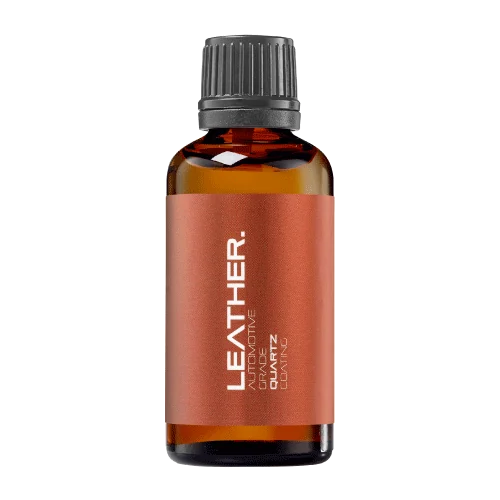 LEATHER SURFACESLEATHERDiscover NANOLAB leather protection.Application5/10Discover PLASTIC SURFACESPLASTICProtection for interior plastic surfaces.Application2/10Discover TEXTILE SURFACESFABRICExplore the latest fabric formulation.Application2/10Discover
 Spray protection, maintenance and upcoming wash products.
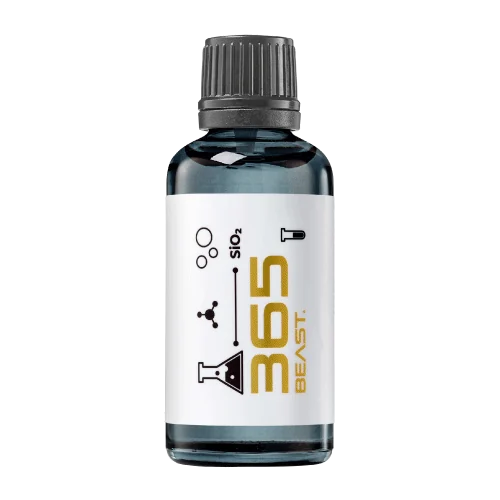 MAINTENANCEBEAST 365Explore the BEAST maintenance range.Application4/10Discover
 Next in washing, cleaning & care.
Ceramic protection for boats and yachts.
An easy-to-apply ceramic coating with an established track record on boats and yachts around the world.
Results vary with surface preparation, exposure and maintenance.
Read 50 MARINE guides →Explore MARINE Application4/10Protection for the surfaces you live with.
A look at what we’re developing.
The next flagship of the MATRIX series.
From cutting and one-step correction to final finishing.
A wider range for professional vehicle care.
Taking shape alongside BEAST & MATRIX.
Practical guidance for your next coating project.
Explore all guides →
Allow a vehicle to reach suitable working conditions and assess the actual surfaces before applying ceramic coating after sun exposure.
Updated · NANOLAB Knowledge
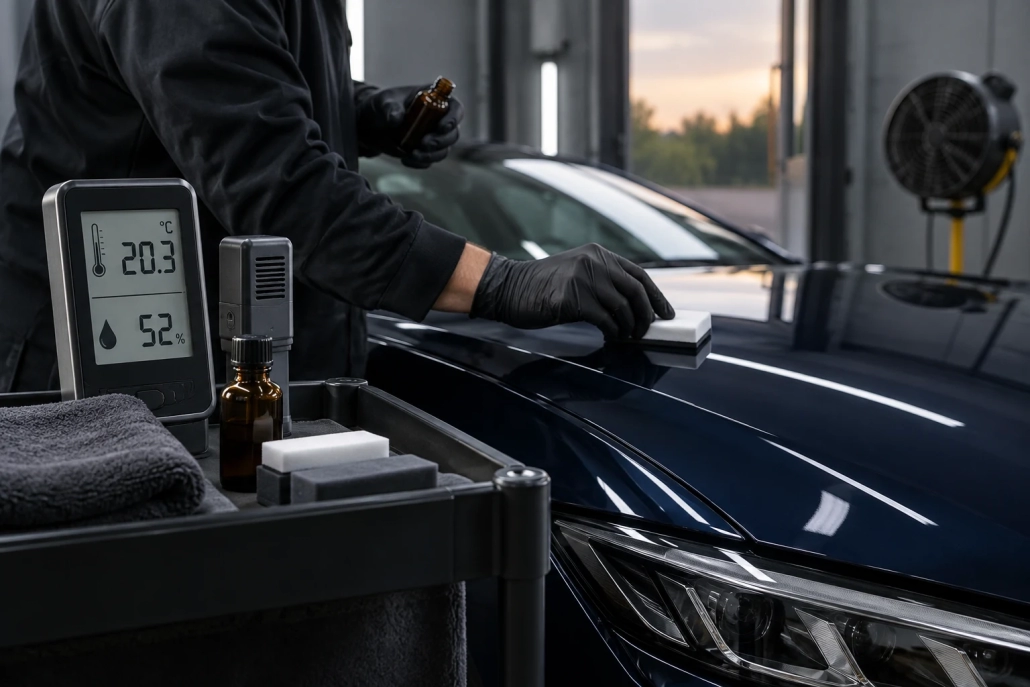
A vehicle moved into a shaded workshop may still have warm panels. The surrounding air can feel comfortable while different areas of the car remain at different temperatures. Readiness for coating should be based on the product’s required conditions and the actual surface state, not simply the fact that the car is now indoors.
Park the vehicle in an appropriate work area and let conditions settle before the final preparation and application sequence. Follow vehicle and product guidance; do not use an improvised rapid-cooling method that creates new contamination or condensation problems.
The temperature and humidity guide provides the wider context. A fixed waiting period cannot describe every vehicle, panel material, starting temperature and workshop environment.
Assess the roof, bonnet, side panels and areas affected by recent driving or direct sunlight. Use a suitable instrument according to its instructions where measurements are required. Record surface readings separately from room temperature, and consider instrument limitations on reflective surfaces.
Use the panel progress map to note areas that are not yet ready. Do not treat one convenient measurement as proof that every surface is within the required range.
Confirm that the surface remains clean and dry after acclimatisation. Dust settling during a delay or moisture from a changed environment may require attention before coating. Follow the approved final preparation process rather than wiping with an arbitrary product to regain time.
The final pre-coating readiness guide helps connect environmental readiness with surface readiness. Both conditions need to be satisfied.
Apply according to the exact coating instructions and observe the working behaviour on a manageable area. If the process behaves unexpectedly, stop and reassess the conditions, product and technique. Do not extend a successful result on one cooler panel to a warmer area without checking it.
Refer to coating test spots when establishing the initial process. A controlled start is more useful than forcing the original schedule onto a vehicle that has not reached suitable conditions.
Plan coating work around the product's environmental requirements and check panel temperature, airflow and changing conditions.
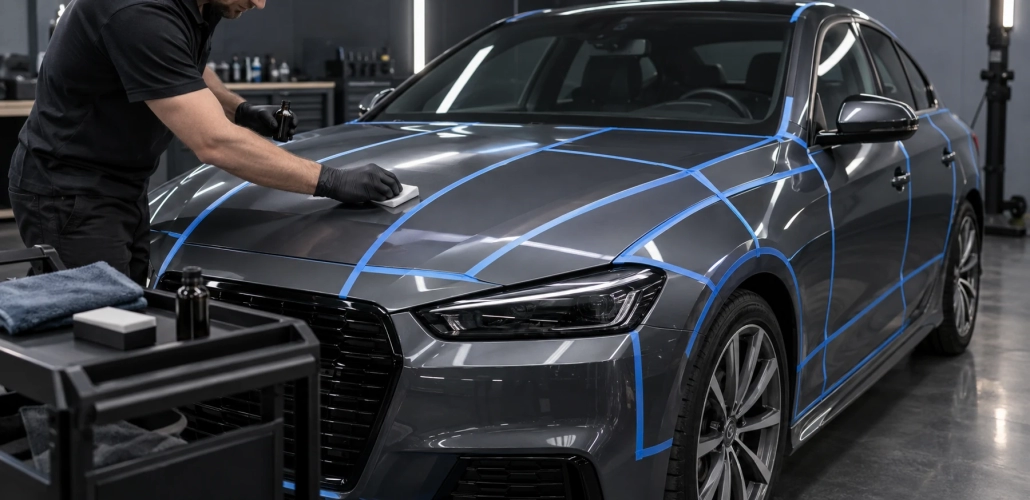
Track preparation, application and inspection by panel so missed areas and repeated treatment are easier to prevent during a coating job.
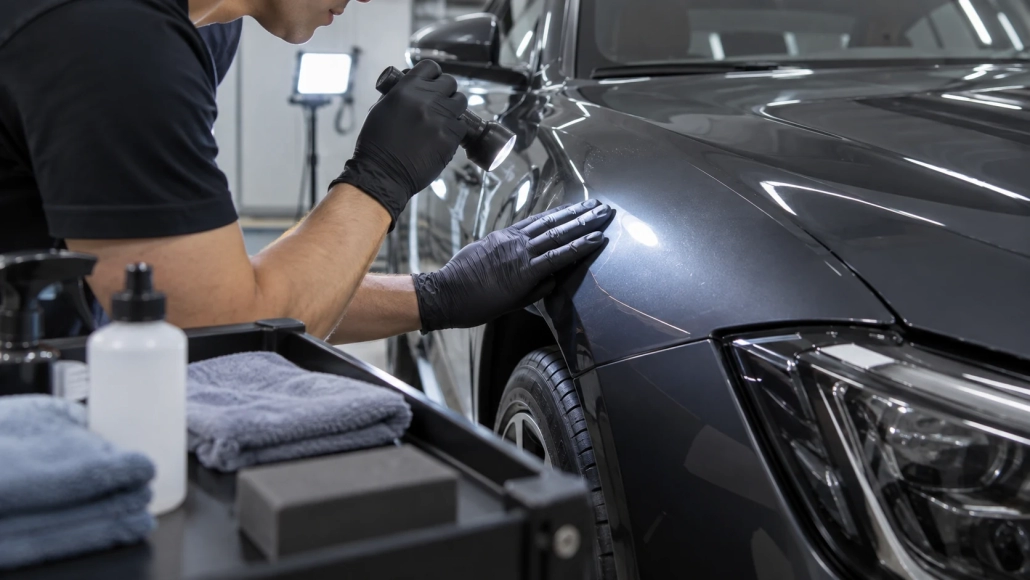
Check surface identity, accepted paint condition, residue removal, drying and product instructions immediately before coating begins.

 Planning Where a Vehicle Will Park While a Coating Cures