
IN DEVELOPMENT / MATRIX SERIES
MATRIX ELITE P7020
The next flagship of the MATRIX series.
75%Solids content
Specialist chemistry. Expert application.
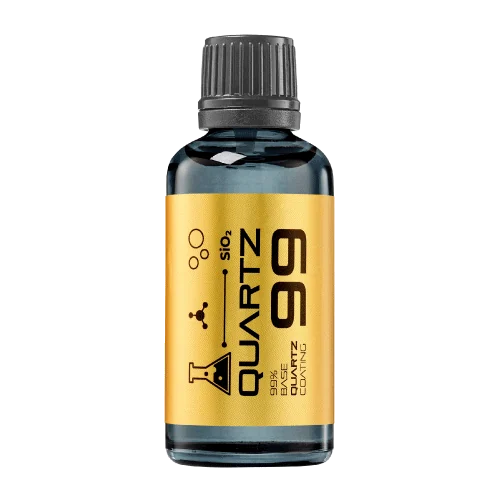 QUARTZ99 / CERAMIC BASE COAT
The foundation of your coating system.
A layerable quartz base coat designed for mechanical protection. Pair it with a suitable top coat to create the final finish.
For application by NANOLAB certified installers only.
Extended working time. A coating for the way you work.
 P5012MATRIX PRORefined protection for glossy finishes.Application1/10Discover P503GMATRIX GRAPHENEVersatile protection for gloss and matte finishes.Application1/10Discover P303MATRIX LITEFor efficient, high-volume detailing.Application1/10Discover
 Explore the BEAST family of ceramic coatings.
Find the coating for each exterior surface.
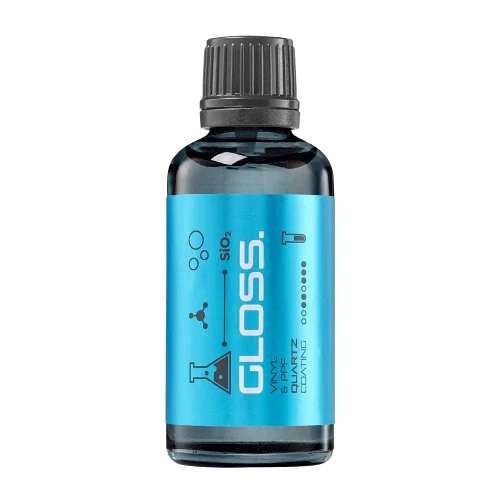 PPF & VINYLGLOSSProtection for glossy films and wraps.Application3/10Discover
 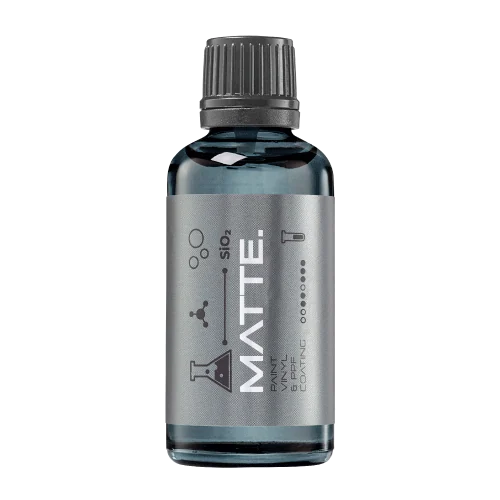 MATTE & SATINMATTEProtection that respects the finish.Application3/10Discover
 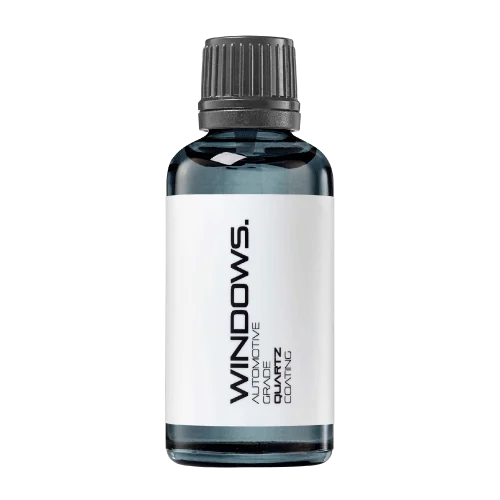 GLASSWINDOWSExplore dedicated glass protection.Application3/10Discover
 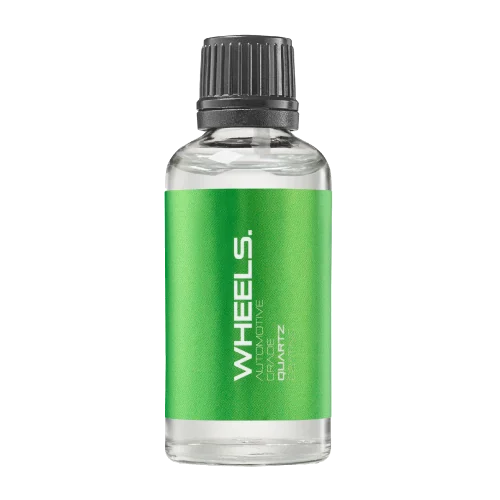 WHEEL PROTECTIONWHEELSA dedicated coating for your wheels.Application2/10Discover
 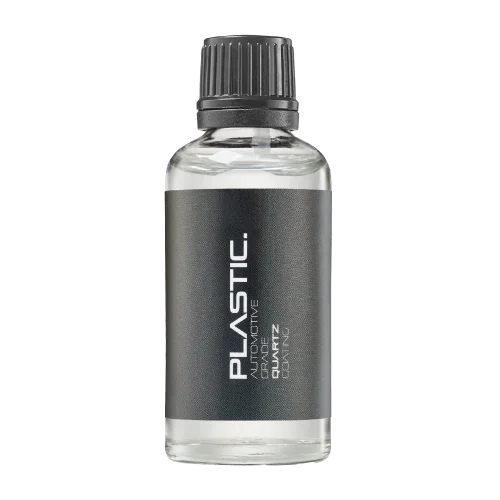 TRIM PROTECTIONPLASTICProtection for plastic surfaces.Application2/10Discover
 Dedicated care for the surfaces inside.
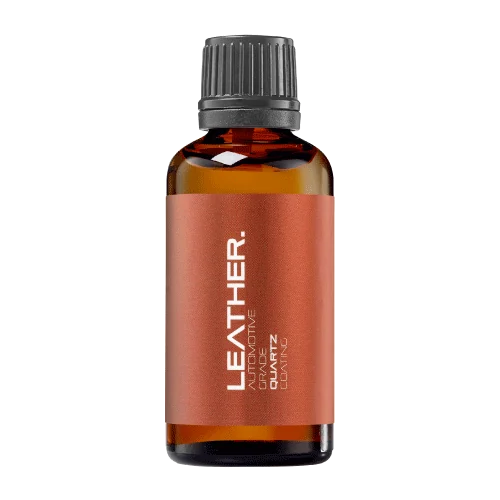 LEATHER SURFACESLEATHERDiscover NANOLAB leather protection.Application5/10Discover PLASTIC SURFACESPLASTICProtection for interior plastic surfaces.Application2/10Discover TEXTILE SURFACESFABRICExplore the latest fabric formulation.Application2/10Discover
 Spray protection, maintenance and upcoming wash products.
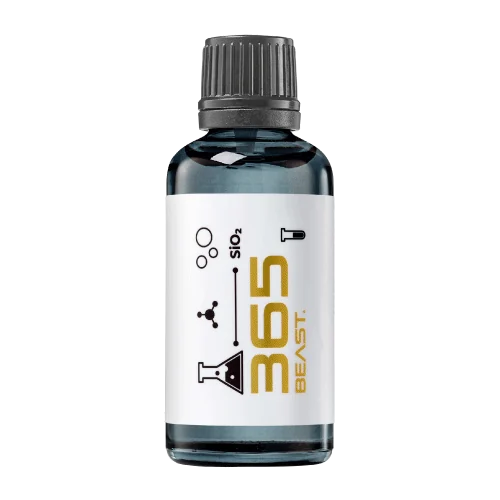 MAINTENANCEBEAST 365Explore the BEAST maintenance range.Application4/10Discover
 Next in washing, cleaning & care.
Ceramic protection for boats and yachts.
An easy-to-apply ceramic coating with an established track record on boats and yachts around the world.
Results vary with surface preparation, exposure and maintenance.
Read 50 MARINE guides →Explore MARINE Application4/10Protection for the surfaces you live with.
A look at what we’re developing.
The next flagship of the MATRIX series.
From cutting and one-step correction to final finishing.
A wider range for professional vehicle care.
Taking shape alongside BEAST & MATRIX.
Practical guidance for your next coating project.
Explore all guides →
Track preparation, application and inspection by panel so missed areas and repeated treatment are easier to prevent during a coating job.
Updated · NANOLAB Knowledge
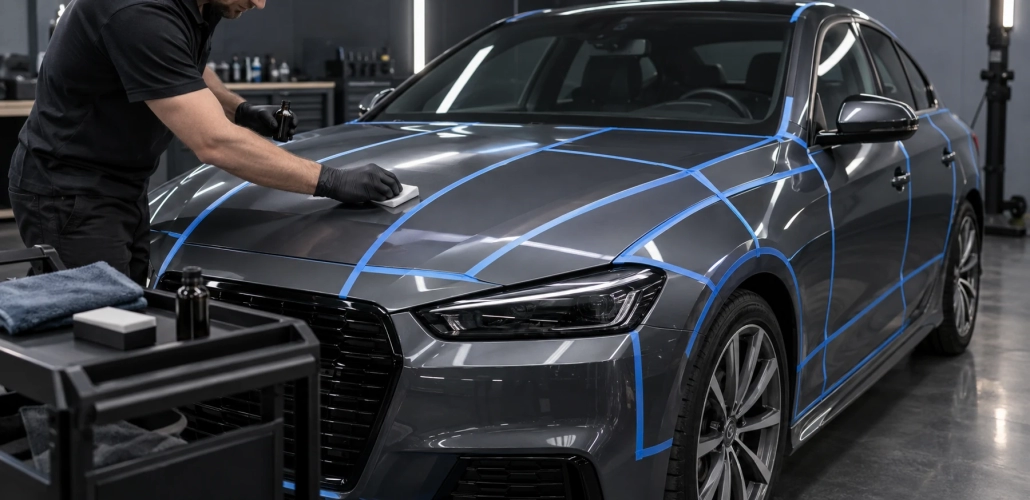
A panel progress map is a simple vehicle outline or list showing the state of each section. It is useful on complex jobs, multi-day work and installations involving more than one person. The map should record completed checks, not merely where an applicator has touched the vehicle.
Choose a small set of clear states such as prepared, applied, levelled and inspected. Include excluded or unsuitable areas. Make the meaning explicit so an installer does not interpret one tick as proof that every stage is complete.
Start from the mixed-surface map and add the workflow states. A panel containing paint and film may need separate entries if the products or preparation processes differ.
Break large or complicated areas into sections that match the application plan. Describe a section well enough that another installer could locate it. Do not place labels or markers onto a surface in a way that conflicts with preparation or fresh-coating requirements.
The application section guide helps align the map with manageable work. An overly detailed map becomes difficult to maintain, while a single tick for the entire exterior provides little control.
Mark levelling complete only after it has been completed, and inspection complete only after the area has been inspected. Record a concern or exception beside the affected section. Avoid filling the map retrospectively from memory at the end of a long day.
For two installers, assign ownership of each area and confirm transitions aloud or in the shared record. The two-installer workflow provides a useful communication structure.
Review unresolved entries before handover. Compare the completed work with the agreed service scope and identify any area intentionally left untreated. Save the map with the product and job records so a future maintenance visit has useful context.
Combine it with final coating inspection. The map reduces omissions, but it does not independently prove coating thickness, durability or correct application; those claims require their own appropriate evidence.
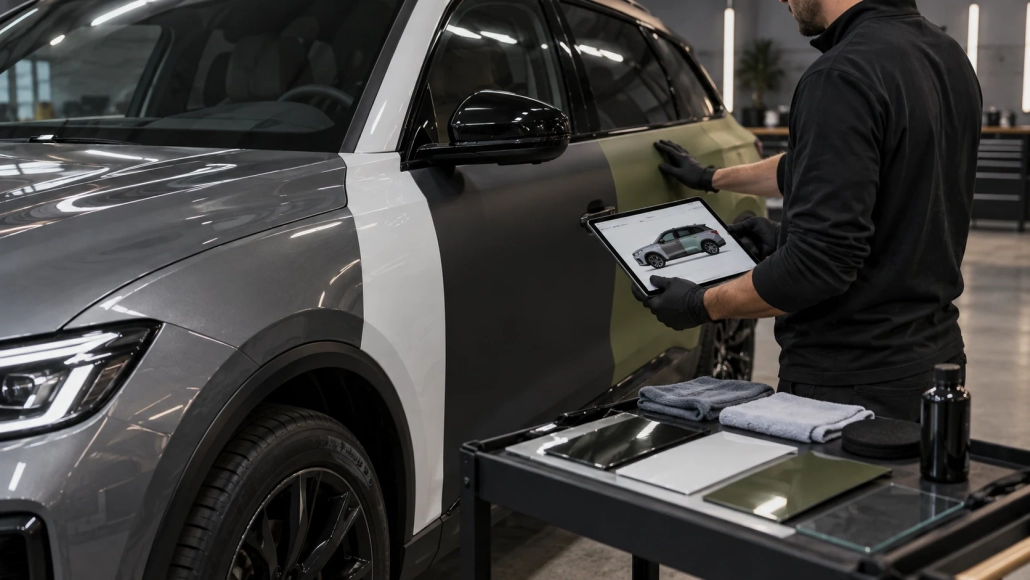
Create a surface map for vehicles combining paint, PPF, vinyl, glass and trim so every area receives a suitable NANOLAB system.
Create a practical panel map that prevents missed areas, excessive overlap and inconsistent levelling during coating application.
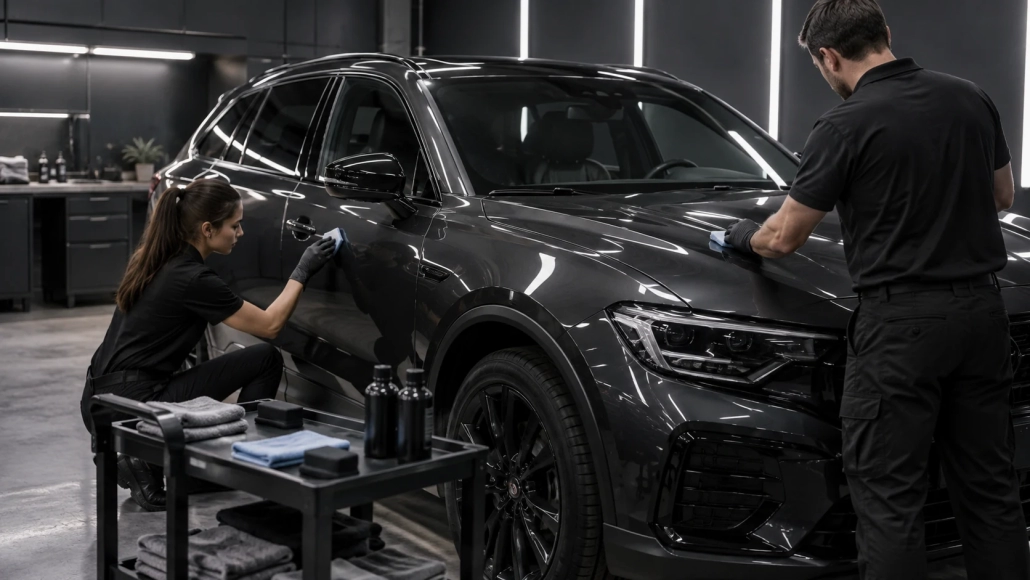
Assign coating zones, removal responsibility and inspection checkpoints when two installers work on the same vehicle.

 Keeping the Coating Bottle Opening Clean During Application