
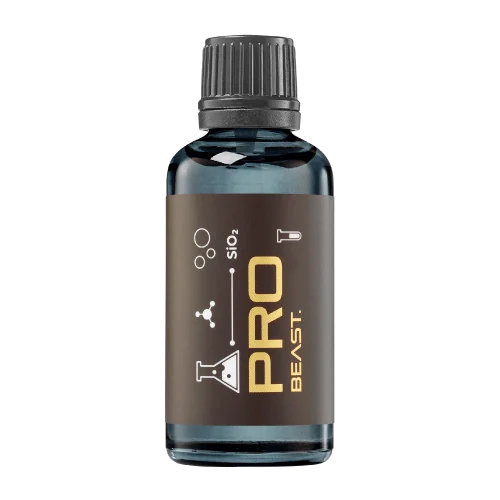

IN DEVELOPMENT / MATRIX SERIES
MATRIX ELITE P7020
The next flagship of the MATRIX series.
75%Solids content
Specialist chemistry. Expert application.
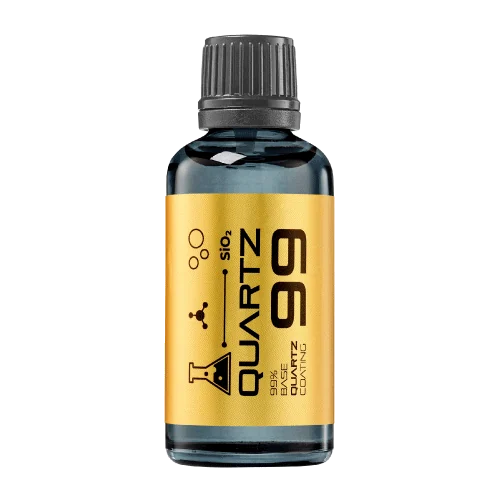 QUARTZ99 / CERAMIC BASE COAT
The foundation of your coating system.
A layerable quartz base coat designed for mechanical protection. Pair it with a suitable top coat to create the final finish.
For application by NANOLAB certified installers only.
Extended working time. A coating for the way you work.
 P5012MATRIX PRORefined protection for glossy finishes.Application1/10Discover P503GMATRIX GRAPHENEVersatile protection for gloss and matte finishes.Application1/10Discover P303MATRIX LITEFor efficient, high-volume detailing.Application1/10Discover
 Explore the BEAST family of ceramic coatings.
Find the coating for each exterior surface.
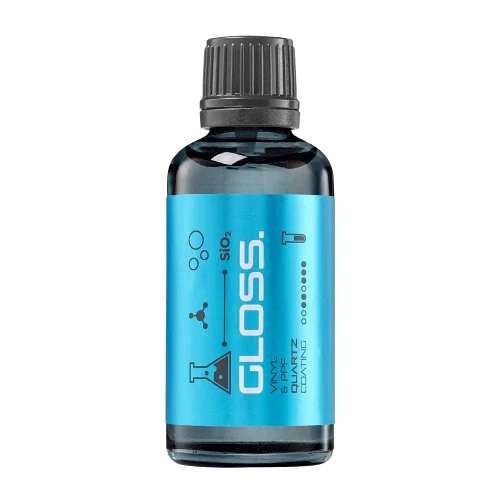 PPF & VINYLGLOSSProtection for glossy films and wraps.Application3/10Discover
 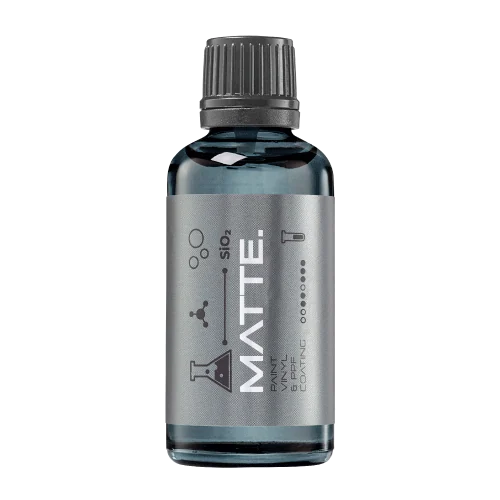 MATTE & SATINMATTEProtection that respects the finish.Application3/10Discover
 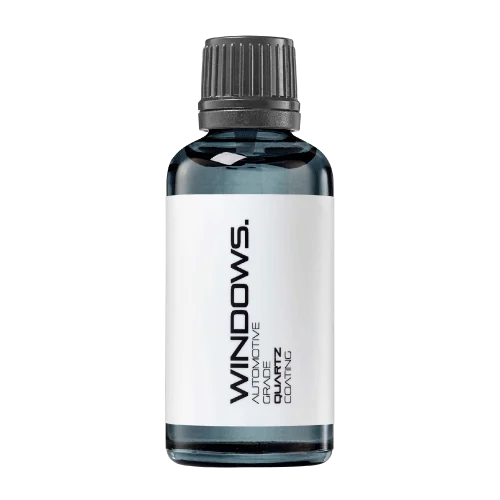 GLASSWINDOWSExplore dedicated glass protection.Application3/10Discover
 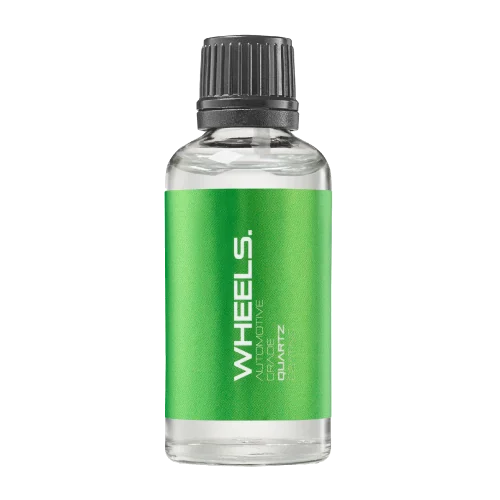 WHEEL PROTECTIONWHEELSA dedicated coating for your wheels.Application2/10Discover
 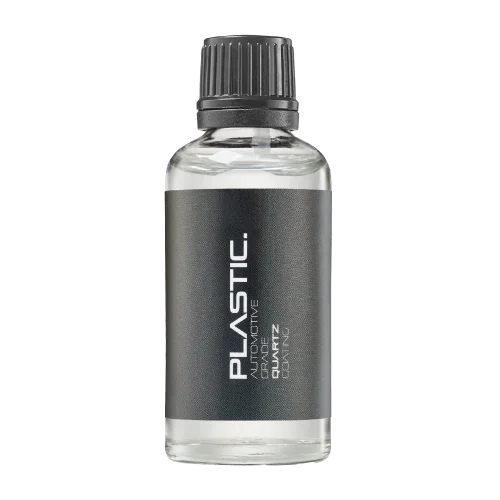 TRIM PROTECTIONPLASTICProtection for plastic surfaces.Application2/10Discover
 Dedicated care for the surfaces inside.
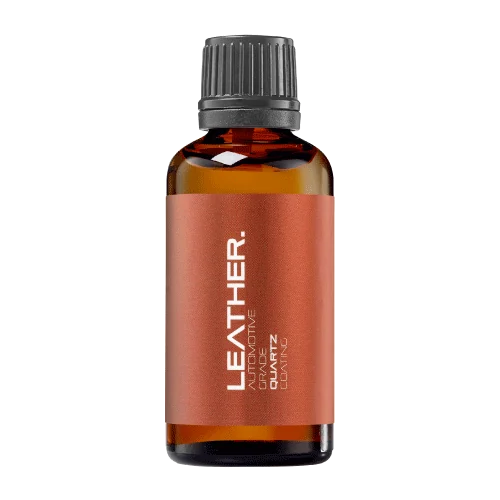 LEATHER SURFACESLEATHERDiscover NANOLAB leather protection.Application5/10Discover PLASTIC SURFACESPLASTICProtection for interior plastic surfaces.Application2/10Discover TEXTILE SURFACESFABRICExplore the latest fabric formulation.Application2/10Discover
 Spray protection, maintenance and upcoming wash products.
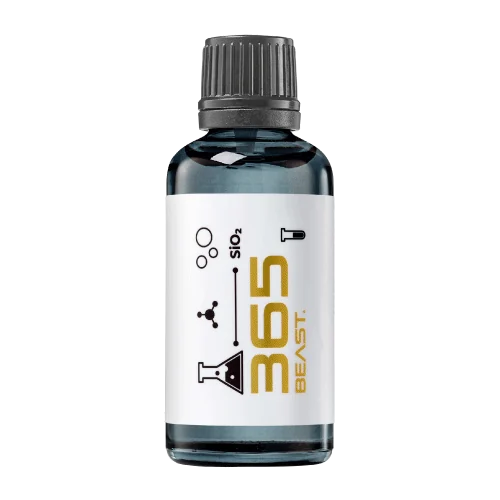 MAINTENANCEBEAST 365Explore the BEAST maintenance range.Application4/10Discover
 Next in washing, cleaning & care.
Ceramic protection for boats and yachts.
An easy-to-apply ceramic coating with an established track record on boats and yachts around the world.
Results vary with surface preparation, exposure and maintenance.
Read 50 MARINE guides →Explore MARINE Application4/10Protection for the surfaces you live with.
A look at what we’re developing.
The next flagship of the MATRIX series.
From cutting and one-step correction to final finishing.
A wider range for professional vehicle care.
Taking shape alongside BEAST & MATRIX.
Practical guidance for your next coating project.
Explore all guides →
Keep track of applied areas and follow the product's correction guidance when an interruption affects a coating section already in progress.
Updated · NANOLAB Knowledge

An interruption during coating application is different from a pause between completed panels. Product already on the surface may still need levelling or inspection, while untouched areas remain at another stage. The priority is to identify the exact state of the work and respond within the product’s instructions.
Identify the last section treated, the area already levelled and any area awaiting inspection. Record the approximate timing honestly. Do not assume that an unrecorded section was completed simply because the adjacent paint looks glossy.
The application sections guide helps make boundaries manageable. Smaller, clearly defined sections reduce the uncertainty created by a phone call, equipment problem or other interruption.
If the product remains within its stated working process, complete the required steps as instructed. If the timing or surface condition is uncertain, consult the manufacturer’s guidance before adding product or attempting correction. Different coatings can require different responses once residue has begun to set.
Use coating working time to understand the decision. There is no reliable universal rule that a fresh application will always reactivate an interrupted section.
Check the affected area and its boundaries under useful lighting. Look for residue, missed levelling and a visible transition to untreated paint. Confirm the surface is suitable for the next step rather than covering an unresolved area with an additional layer.
The high-spot guide explains why timing matters when dealing with excess product. Stop and obtain technical advice if the appropriate correction is unclear.
Record the resolved section and resume from a known boundary. Replace compromised towels or applicators and reassess conditions if the pause was lengthy. Update the job record if the interruption changes cure or release planning.
For work involving more than one person, use the shift handover guide. A brief status record is more dependable than memory, especially when different panels are at different stages of the process.
Create a practical panel map that prevents missed areas, excessive overlap and inconsistent levelling during coating application.
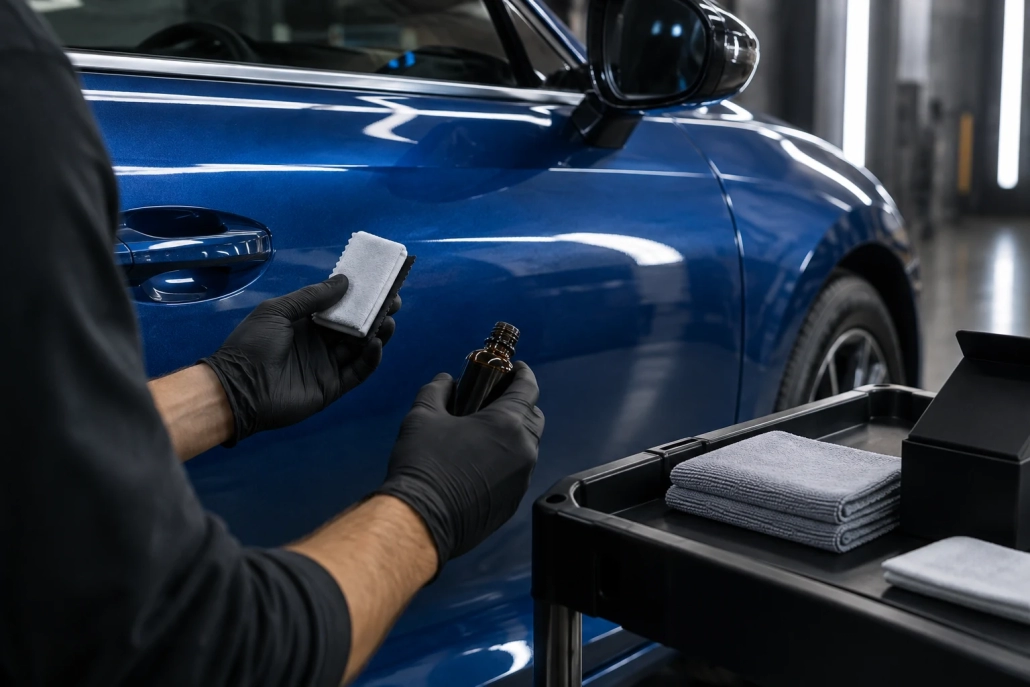
Understand why wipe-off timing changes with the formula and environment, and why a stopwatch cannot replace product-specific guidance.
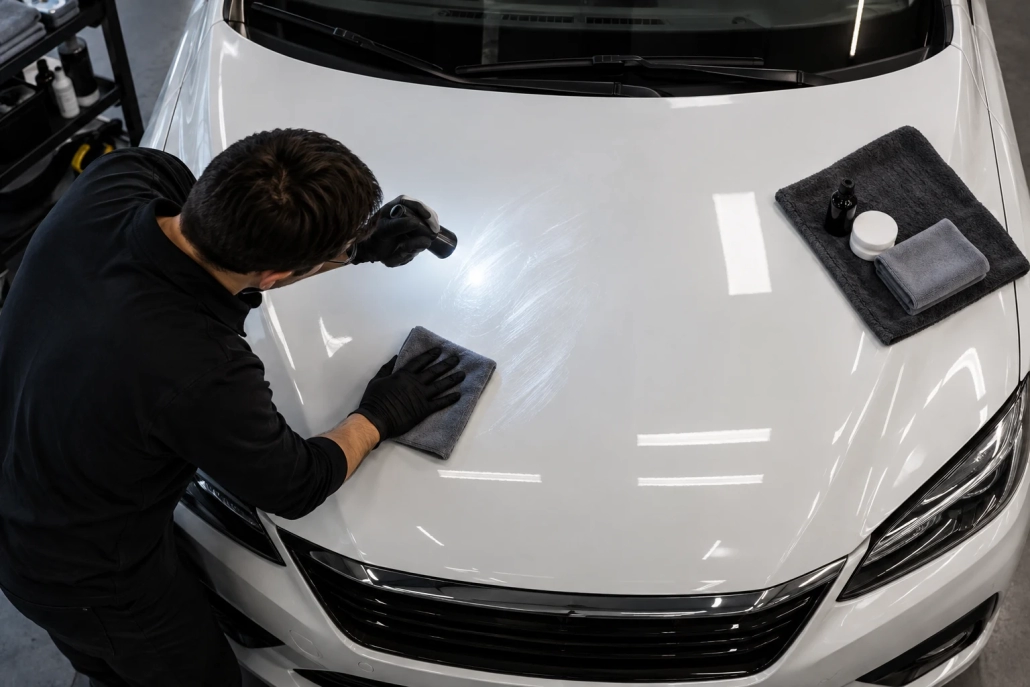
Recognise excess coating residue and understand why the appropriate correction depends on the product and how far curing has progressed.

 Using a Panel Progress Map During Ceramic Coating Application