
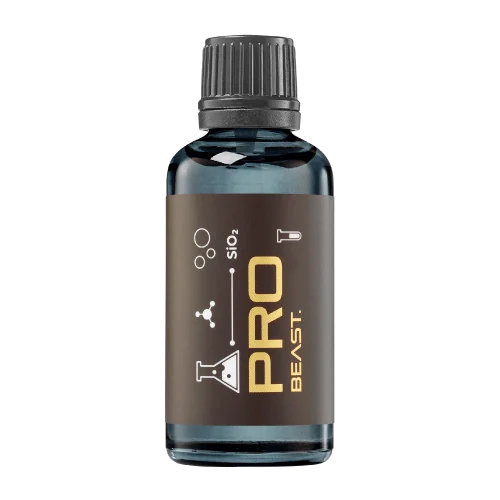

IN DEVELOPMENT / MATRIX SERIES
MATRIX ELITE P7020
The next flagship of the MATRIX series.
75%Solids content
Specialist chemistry. Expert application.
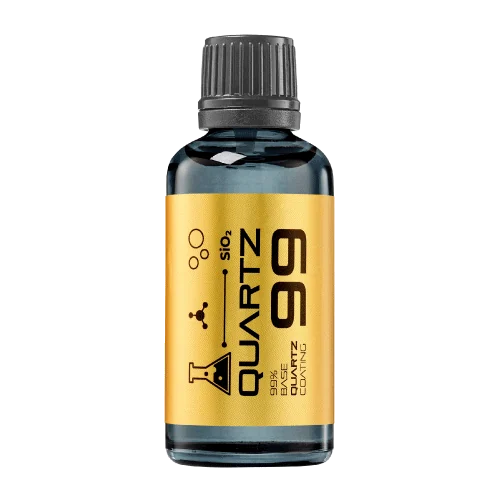 QUARTZ99 / CERAMIC BASE COAT
The foundation of your coating system.
A layerable quartz base coat designed for mechanical protection. Pair it with a suitable top coat to create the final finish.
For application by NANOLAB certified installers only.
Extended working time. A coating for the way you work.
 P5012MATRIX PRORefined protection for glossy finishes.Application1/10Discover P503GMATRIX GRAPHENEVersatile protection for gloss and matte finishes.Application1/10Discover P303MATRIX LITEFor efficient, high-volume detailing.Application1/10Discover
 Explore the BEAST family of ceramic coatings.
Find the coating for each exterior surface.
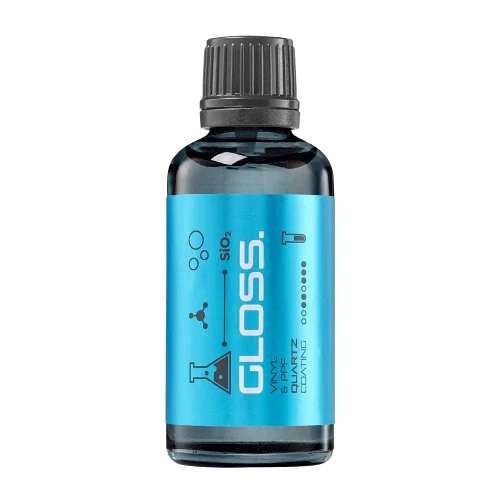 PPF & VINYLGLOSSProtection for glossy films and wraps.Application3/10Discover
 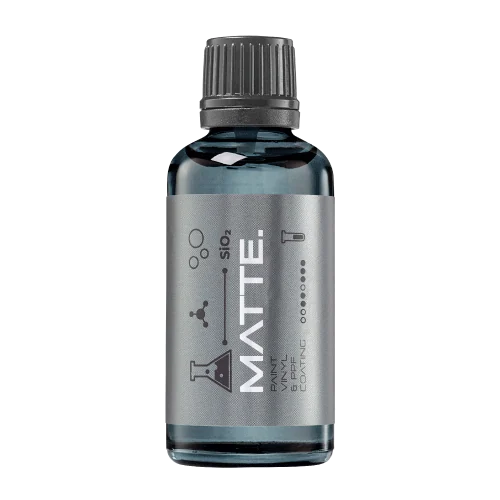 MATTE & SATINMATTEProtection that respects the finish.Application3/10Discover
 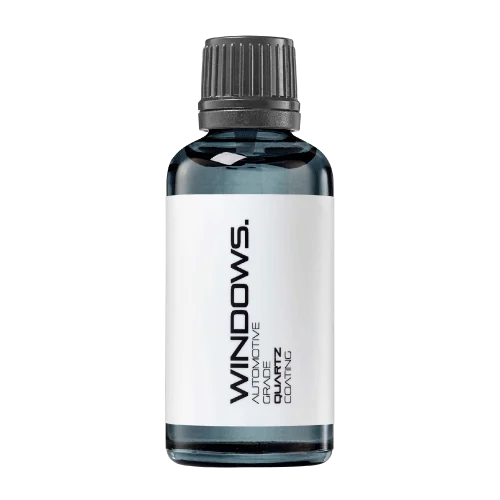 GLASSWINDOWSExplore dedicated glass protection.Application3/10Discover
 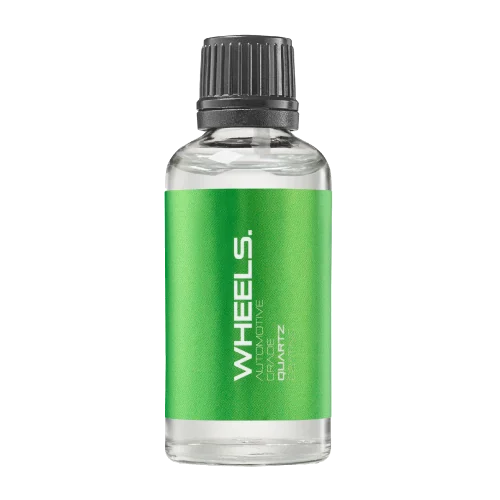 WHEEL PROTECTIONWHEELSA dedicated coating for your wheels.Application2/10Discover
 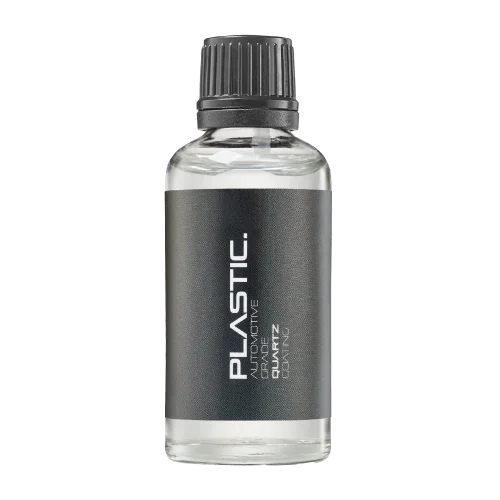 TRIM PROTECTIONPLASTICProtection for plastic surfaces.Application2/10Discover
 Dedicated care for the surfaces inside.
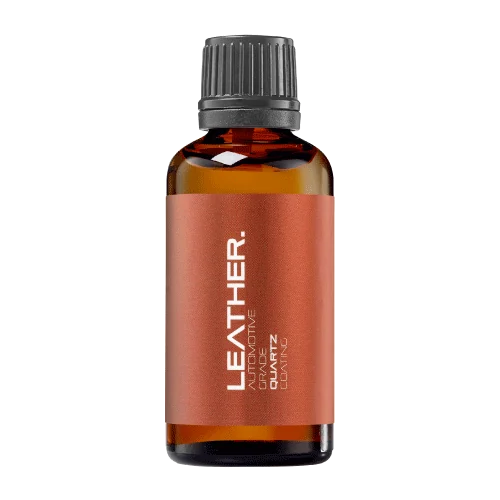 LEATHER SURFACESLEATHERDiscover NANOLAB leather protection.Application5/10Discover PLASTIC SURFACESPLASTICProtection for interior plastic surfaces.Application2/10Discover TEXTILE SURFACESFABRICExplore the latest fabric formulation.Application2/10Discover
 Spray protection, maintenance and upcoming wash products.
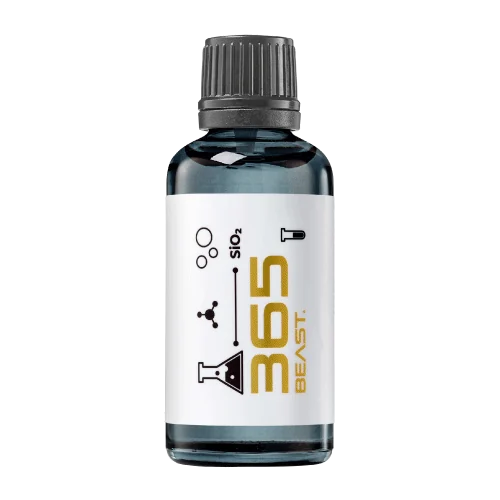 MAINTENANCEBEAST 365Explore the BEAST maintenance range.Application4/10Discover
 Next in washing, cleaning & care.
Ceramic protection for boats and yachts.
An easy-to-apply ceramic coating with an established track record on boats and yachts around the world.
Results vary with surface preparation, exposure and maintenance.
Read 50 MARINE guides →Explore MARINE Application4/10Protection for the surfaces you live with.
A look at what we’re developing.
The next flagship of the MATRIX series.
From cutting and one-step correction to final finishing.
A wider range for professional vehicle care.
Taking shape alongside BEAST & MATRIX.
Practical guidance for your next coating project.
Explore all guides →
Assess wash-mitt condition, trapped debris and task history before using it on coated paint, rather than replacing it by age alone.
Updated · NANOLAB Knowledge
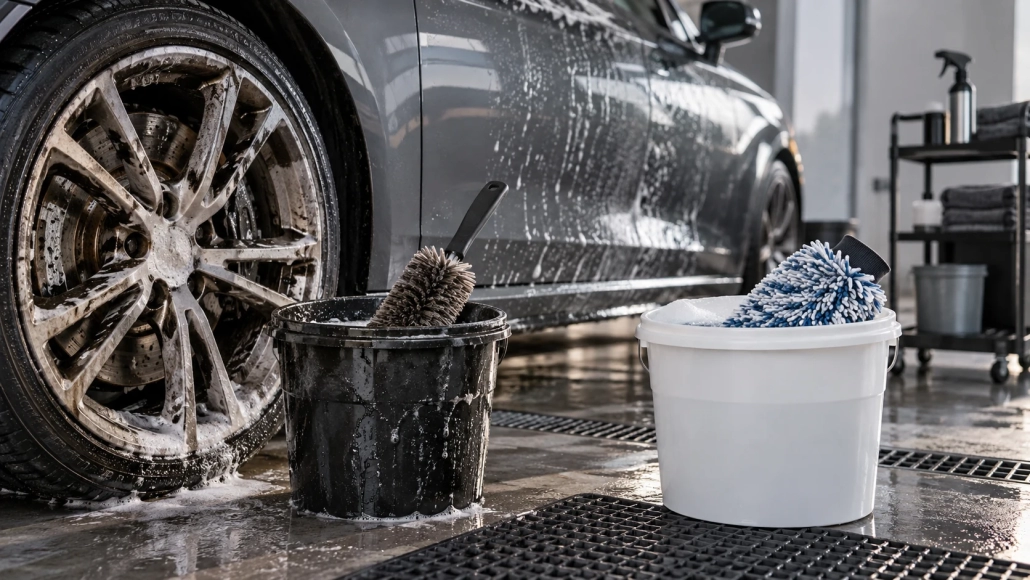
A wash mitt’s age does not fully describe its condition. A lightly used mitt stored well may differ greatly from one that has repeatedly contacted dirty lower panels or the ground. Inspect the material and its history before each wash, and choose cleaning, reassignment or replacement based on what you can establish.
Check the working fibres, seams and any areas that feel hard or damaged. Look for trapped grit or debris that cannot be confidently removed. A quick visual check while the mitt is soaked may miss contamination hidden in the pile.
The washing a coated car guide starts with suitable clean tools. A ceramic coating does not make contaminated wash media harmless to the underlying finish.
Keep wheel and tyre work separate from paint washing. A mitt used on heavily contaminated surfaces should not return to delicate paintwork without a justified cleaning and inspection process. If its history is unknown, treat that uncertainty as part of the selection decision.
Use separate wheel and paint wash tools to organise the routine. Reassignment should be explicit so a retired paint mitt is not accidentally selected for paint again.
Follow the mitt manufacturer’s care instructions and inspect after cleaning. Check whether it rinses freely, retains its intended structure and remains free of embedded debris. Cleaning that improves appearance does not automatically restore suitability for every task.
Replace the mitt if damage or retained contamination makes continued use unreliable. Do not attempt to extend its life by increasing pressure during washing or ignoring a rough section.
Store usable mitts clean and appropriately dry, and keep rejected items out of the active paint-wash area. A simple label or separate container can prevent confusion between a spare mitt and one awaiting disposal or reassignment.
Connect the check to towel and tool organisation. Regular condition checks are more useful than an arbitrary replacement date because they account for the actual surfaces, contamination and care involved in each wash.
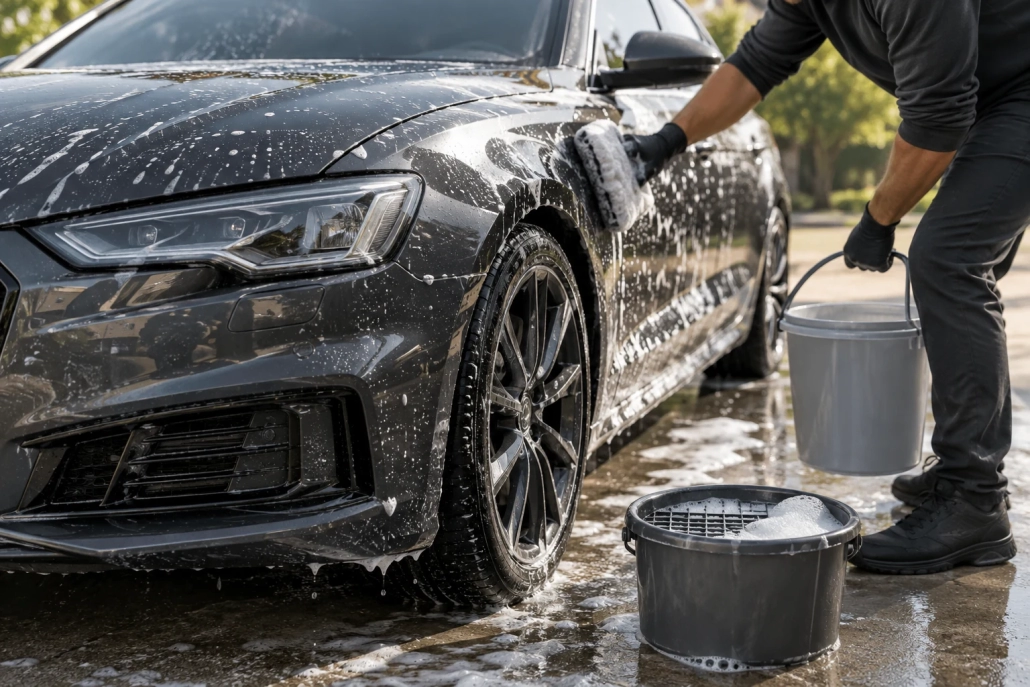
Build a gentle wash routine that removes loose grit before contact, keeps wheel tools separate and ends with careful rinsing and drying.
Prevent brake dust and road grit from moving onto coated paint by organising wheel brushes, buckets and towels separately.
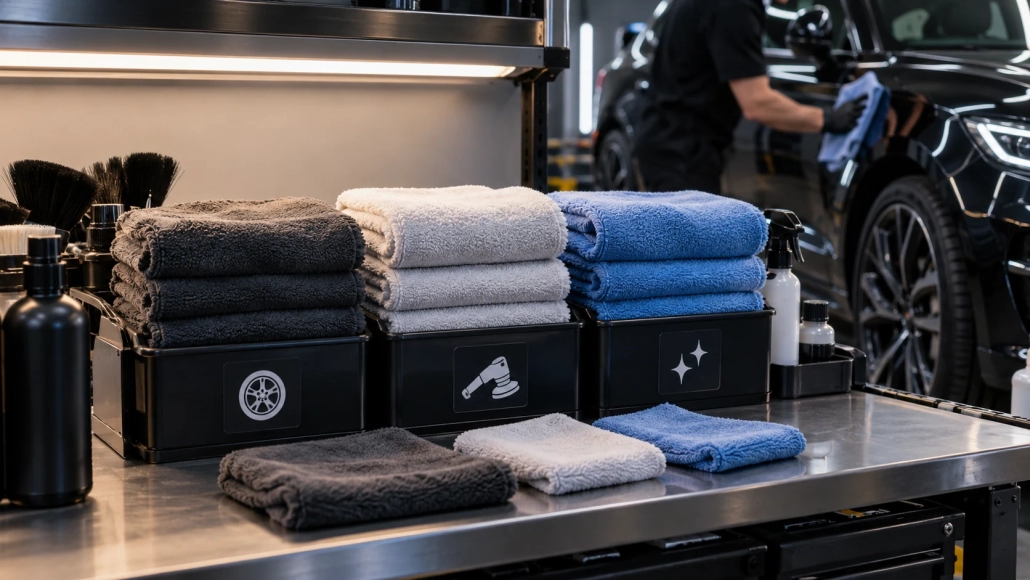
Create a simple towel system that prevents wheel dirt, polishing residue and cured coating from reaching clean paint-finishing tools.

 How to Trial a New Detailing Tool Before Using It Across Jobs