
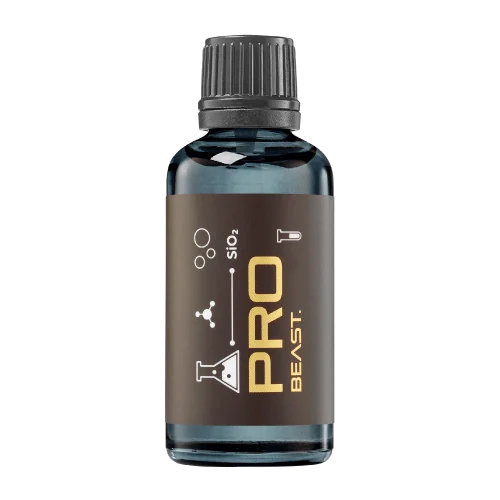
IN DEVELOPMENT / MATRIX SERIES
MATRIX ELITE P7020
The next flagship of the MATRIX series.
75%Solids content
Specialist chemistry. Expert application.
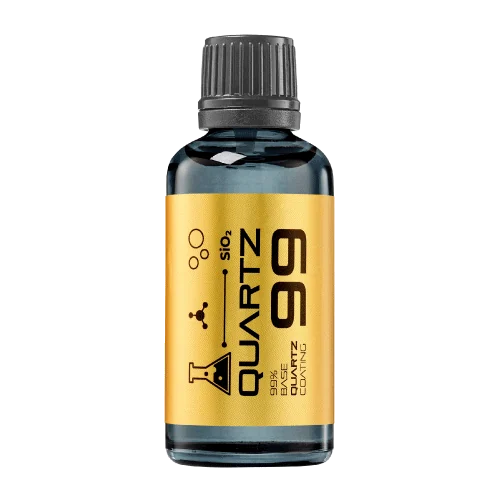 QUARTZ99 / CERAMIC BASE COAT
The foundation of your coating system.
A layerable quartz base coat designed for mechanical protection. Pair it with a suitable top coat to create the final finish.
For application by NANOLAB certified installers only.
Extended working time. A coating for the way you work.
 P5012MATRIX PRORefined protection for glossy finishes.Application1/10Discover P503GMATRIX GRAPHENEVersatile protection for gloss and matte finishes.Application1/10Discover P303MATRIX LITEFor efficient, high-volume detailing.Application1/10Discover
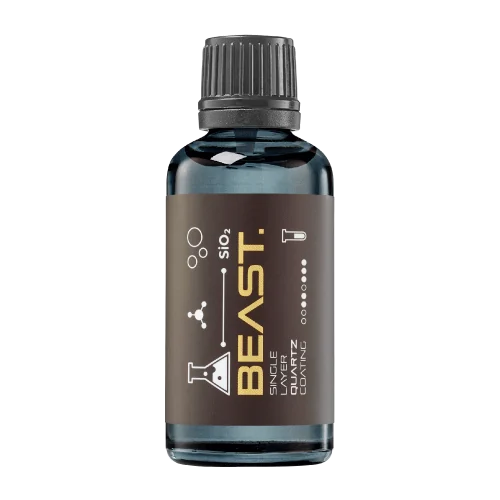
 Explore the BEAST family of ceramic coatings.
Find the coating for each exterior surface.
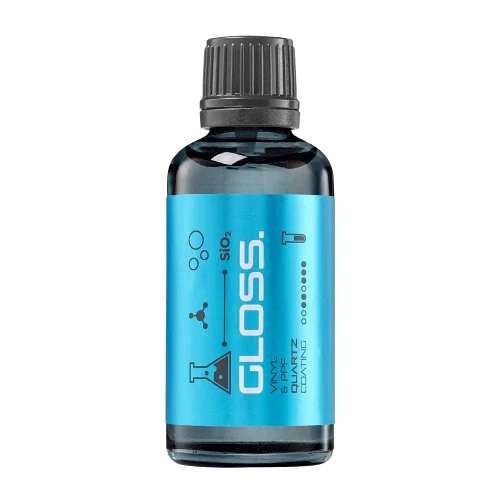 PPF & VINYLGLOSSProtection for glossy films and wraps.Application3/10Discover
 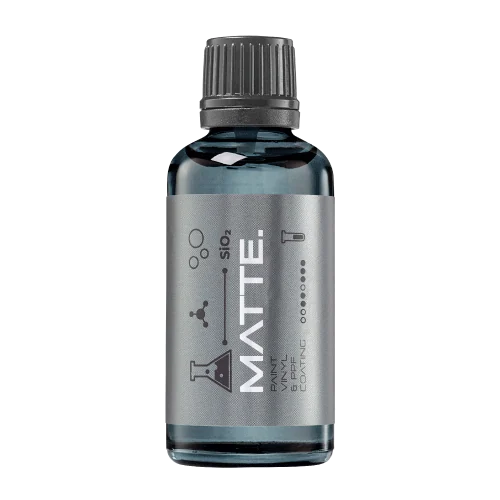 MATTE & SATINMATTEProtection that respects the finish.Application3/10Discover
 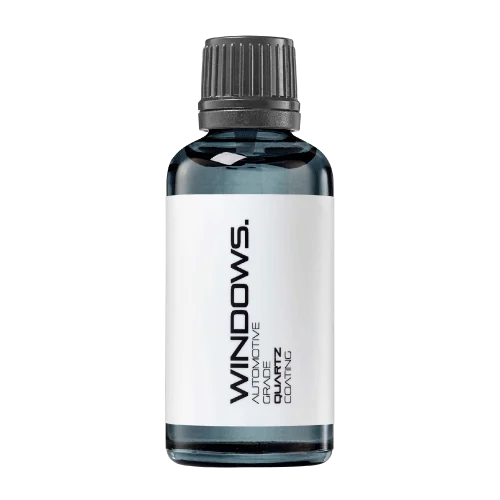 GLASSWINDOWSExplore dedicated glass protection.Application3/10Discover
 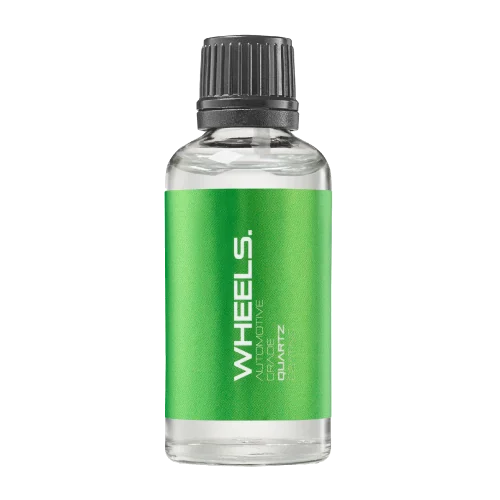 WHEEL PROTECTIONWHEELSA dedicated coating for your wheels.Application2/10Discover
 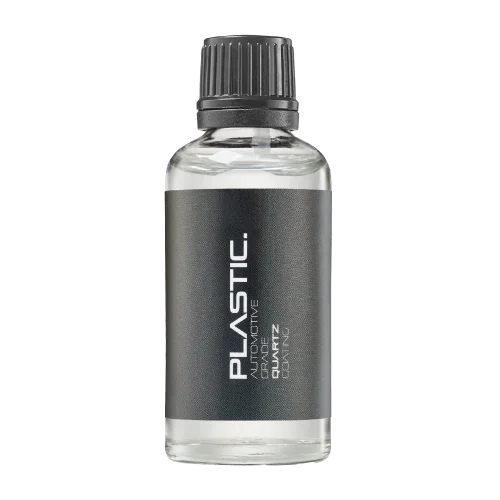 TRIM PROTECTIONPLASTICProtection for plastic surfaces.Application2/10Discover
 Dedicated care for the surfaces inside.
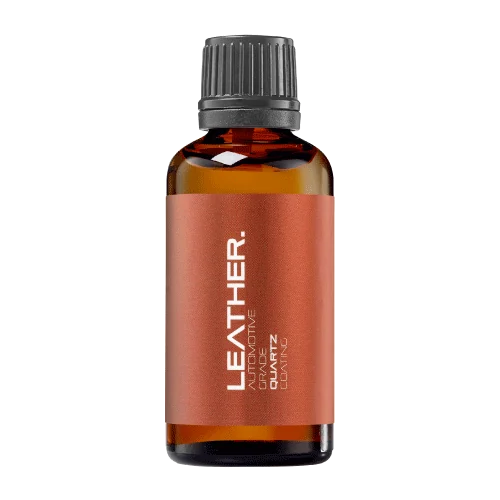 LEATHER SURFACESLEATHERDiscover NANOLAB leather protection.Application5/10Discover PLASTIC SURFACESPLASTICProtection for interior plastic surfaces.Application2/10Discover TEXTILE SURFACESFABRICExplore the latest fabric formulation.Application2/10Discover
 Spray protection, maintenance and upcoming wash products.
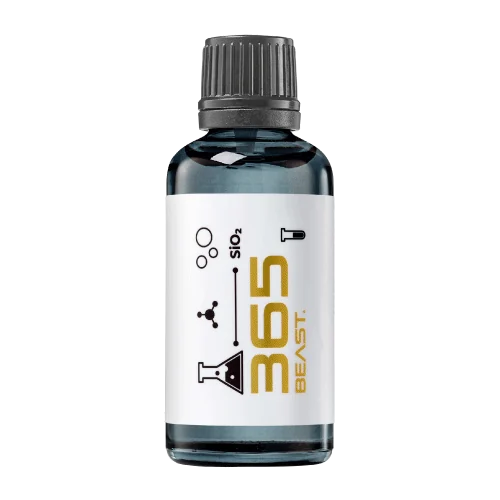 MAINTENANCEBEAST 365Explore the BEAST maintenance range.Application4/10Discover
 Next in washing, cleaning & care.
Ceramic protection for boats and yachts.
An easy-to-apply ceramic coating with an established track record on boats and yachts around the world.
Results vary with surface preparation, exposure and maintenance.
Read 50 MARINE guides →Explore MARINE Application4/10Protection for the surfaces you live with.
A look at what we’re developing.
The next flagship of the MATRIX series.
From cutting and one-step correction to final finishing.
A wider range for professional vehicle care.
Taking shape alongside BEAST & MATRIX.
Practical guidance for your next coating project.
Explore all guides →
Match a coating applicator to the accessible surface so product can be spread and levelled around contours without flooding adjacent materials.
Updated · NANOLAB Knowledge
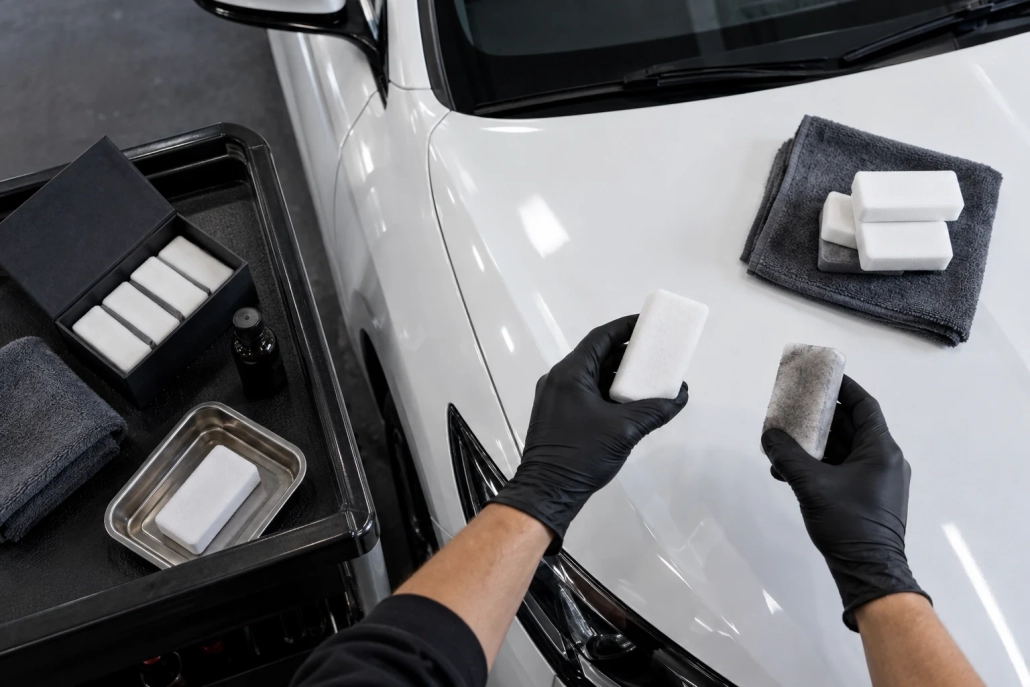
A large applicator may be efficient on a flat bonnet but awkward around a narrow pillar or shaped trim. Applicator size affects reach and control, while the coating’s instructions determine the suitable material and technique. Choose a tool that lets you treat and inspect the intended area without spreading product onto neighbouring surfaces.
Identify panel boundaries, recesses, badges, film edges and materials that should not receive the product. Check that the area can be levelled and inspected after application. An applicator reaching a space is not enough if excess product cannot then be removed appropriately.
Use the mixed-surface map to distinguish paint, trim, film and glass. Do not assume the coating selected for one surface is suitable for all adjacent materials.
Follow the product’s applicator recommendations and check whether an alternative needs validation. Changing the applicator can change how product is distributed or retained. A smaller tool should support control, not become a reason to use an unapproved material.
The coating applicator guide covers the basic selection process. Inspect the working face for debris, damage or signs that previously applied product has affected its condition.
Use a manageable section and observe whether coverage is even and the required levelling process is practical. Keep product off edges and recesses that cannot be properly addressed. Do not compensate for awkward access by saturating the applicator or repeatedly flooding the area.
Review coating application sections when planning the sequence. A difficult contour may need a smaller section even when the surrounding flat panel can be treated more quickly.
Change tools when condition or contamination makes continued use unsuitable. Keep clean replacements accessible and separate used applicators from unopened supplies. Record any area intentionally excluded because it could not be treated reliably.
Before moving on, inspect the adjoining surfaces and the section just completed. Tool choice is successful when it supports controlled application, complete levelling and a clear inspection result, not merely when it allows the installer to reach more of the vehicle.

Create a surface map for vehicles combining paint, PPF, vinyl, glass and trim so every area receives a suitable NANOLAB system.
Match the applicator to the formula and surface, prime it as instructed and replace it when contamination or poor spreading affects control.

Create a practical panel map that prevents missed areas, excessive overlap and inconsistent levelling during coating application.

 Preventing Residue Transfer Through Detailing Measuring Containers