


IN DEVELOPMENT / MATRIX SERIES
MATRIX ELITE P7020
The next flagship of the MATRIX series.
75%Solids content
Specialist chemistry. Expert application.
 QUARTZ99 / CERAMIC BASE COAT
The foundation of your coating system.
A layerable quartz base coat designed for mechanical protection. Pair it with a suitable top coat to create the final finish.
For application by NANOLAB certified installers only.
Extended working time. A coating for the way you work.
 P5012MATRIX PRORefined protection for glossy finishes.Application1/10Discover P503GMATRIX GRAPHENEVersatile protection for gloss and matte finishes.Application1/10Discover P303MATRIX LITEFor efficient, high-volume detailing.Application1/10Discover
 Explore the BEAST family of ceramic coatings.
Find the coating for each exterior surface.
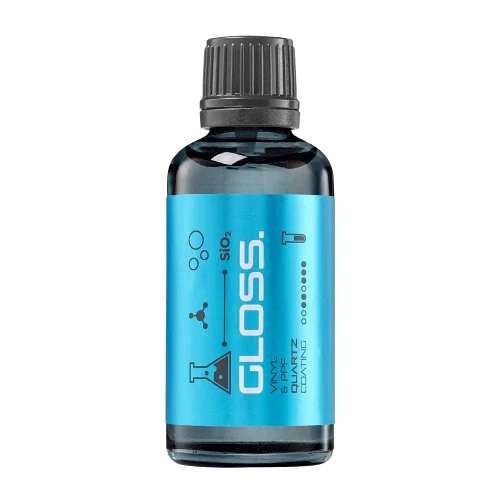 PPF & VINYLGLOSSProtection for glossy films and wraps.Application3/10Discover
 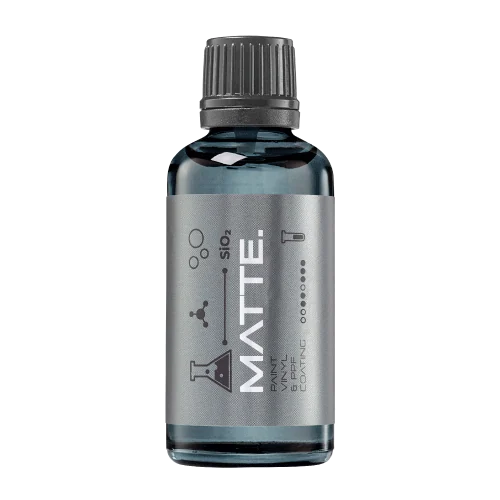 MATTE & SATINMATTEProtection that respects the finish.Application3/10Discover
 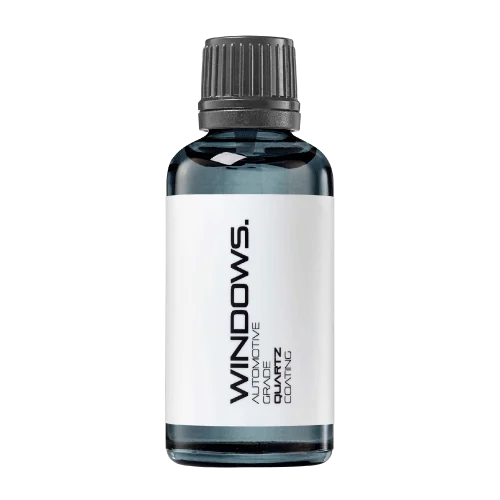 GLASSWINDOWSExplore dedicated glass protection.Application3/10Discover
 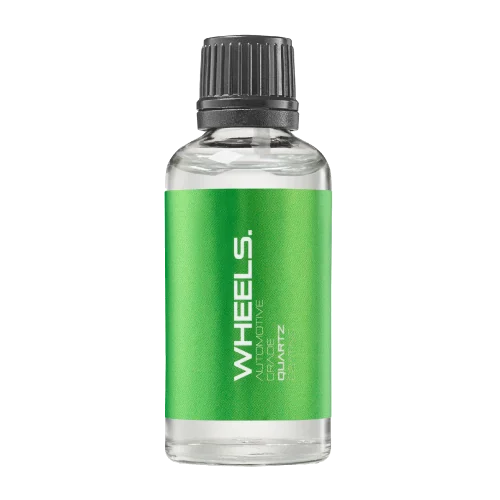 WHEEL PROTECTIONWHEELSA dedicated coating for your wheels.Application2/10Discover
 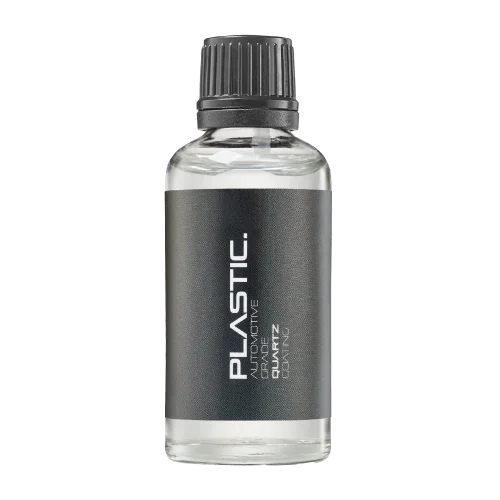 TRIM PROTECTIONPLASTICProtection for plastic surfaces.Application2/10Discover
 Dedicated care for the surfaces inside.
 LEATHER SURFACESLEATHERDiscover NANOLAB leather protection.Application5/10Discover PLASTIC SURFACESPLASTICProtection for interior plastic surfaces.Application2/10Discover TEXTILE SURFACESFABRICExplore the latest fabric formulation.Application2/10Discover
 Spray protection, maintenance and upcoming wash products.
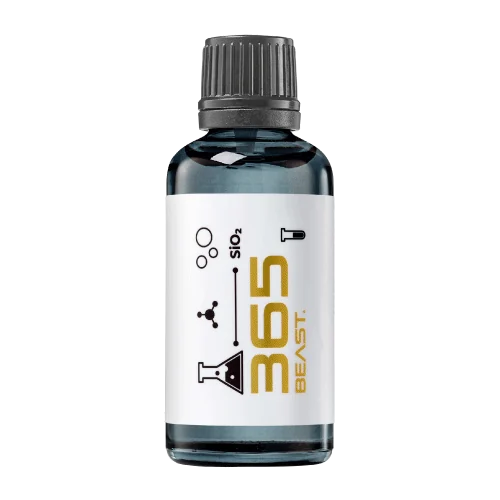 MAINTENANCEBEAST 365Explore the BEAST maintenance range.Application4/10Discover
 Next in washing, cleaning & care.
Ceramic protection for boats and yachts.
An easy-to-apply ceramic coating with an established track record on boats and yachts around the world.
Results vary with surface preparation, exposure and maintenance.
Read 50 MARINE guides →Explore MARINE Application4/10Protection for the surfaces you live with.
A look at what we’re developing.
The next flagship of the MATRIX series.
From cutting and one-step correction to final finishing.
A wider range for professional vehicle care.
Taking shape alongside BEAST & MATRIX.
Practical guidance for your next coating project.
Explore all guides →
Review preparation records, finish inspection and handover evidence to assess coating workmanship beyond a single water-beading demonstration.
Updated · NANOLAB Knowledge

A workmanship audit asks whether an installation followed the agreed process and met its release criteria. It differs from a long-term product durability test. A glossy photograph or water-beading clip may be useful evidence, but neither shows whether all preparation, application and handover requirements were satisfied.
Choose a manageable sample of jobs and identify the questions to review. These may include preparation approval, application records, treatment of mixed surfaces or completeness of aftercare instructions. Explain the scope to installers so the audit supports improvement rather than surprise scoring.
Use the coating quality control guide to identify the existing release checks. Audit against the actual service specification and product instructions, not an invented universal coating standard.
Check that intake findings connect to the preparation plan and final outcome. Confirm that exceptions were resolved or communicated. A record stating that a scratch remained should align with the customer handover, not disappear from the final description.
The service scope guide provides a reference for what was agreed. Missing records do not automatically prove poor work, but they do limit what the business can confidently demonstrate.
Review accessible surfaces with suitable lighting, including edges and areas prone to missed residue. Distinguish dirt, temporary residue and a confirmed finish defect before deciding on corrective action. Avoid aggressive diagnostic steps that create a new problem.
Use final coating inspection as a practical check. Record the conditions and any inaccessible areas so the audit result is not presented as more comprehensive than it was.
For each finding, name the gap, likely process cause, action owner and review date. A training need may require a demonstration; unclear wording may require a revised instruction. Repeating the same generic reminder is unlikely to resolve a recurring issue.
Review a later sample to see whether the change worked. Keep the focus on repeatable decisions and customer outcomes rather than producing a score that looks precise but hides different vehicle conditions and service scopes.
Use clear checkpoints before application, after levelling and at handover to make coating work consistent and traceable.
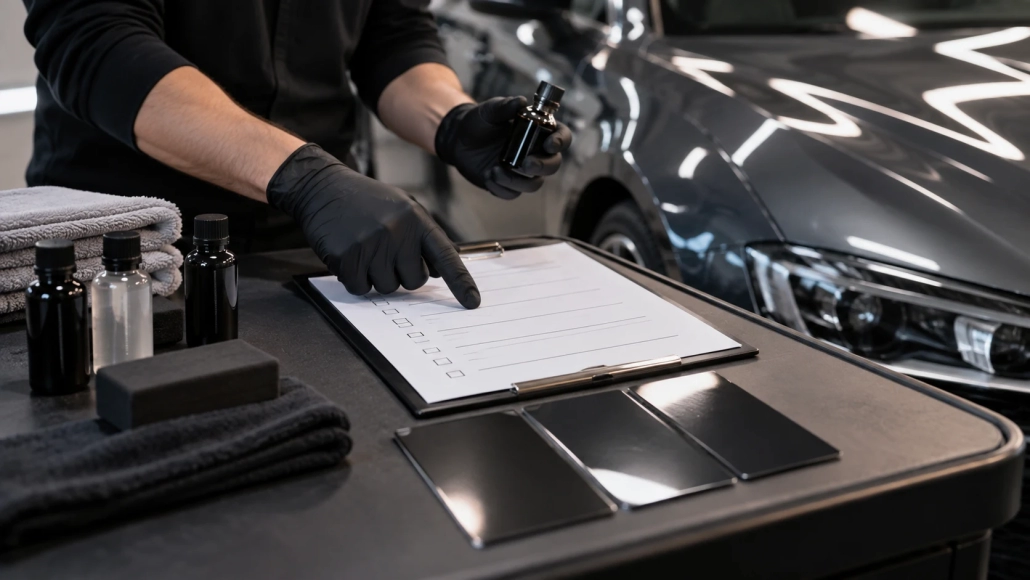
Define included surfaces, preparation limits and aftercare responsibilities so customers understand what a ceramic coating booking covers.

Use a systematic finish check before handover, including residue, edges, treated surfaces and written curing instructions.

 Assessing a Customer-Supplied Coating Before Installation