
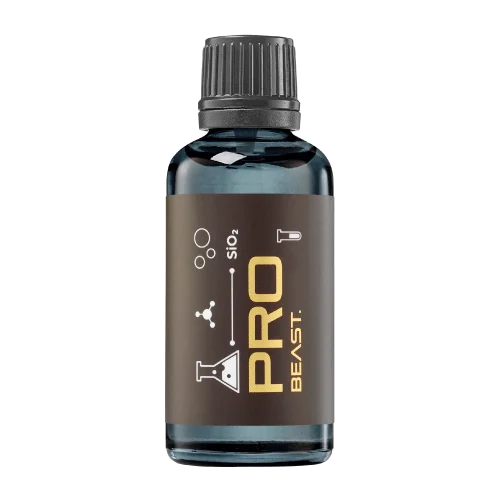
A full polishing range.
From cutting and one-step correction to final finishing.
Specialist chemistry. Expert application.
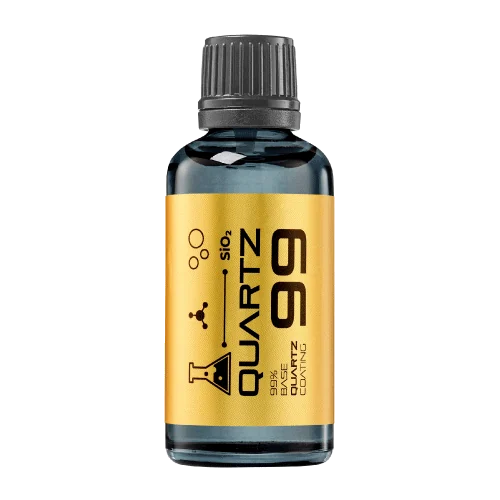 QUARTZ99 / CERAMIC BASE COAT
The foundation of your coating system.
A layerable quartz base coat designed for mechanical protection. Pair it with a suitable top coat to create the final finish.
For application by NANOLAB certified installers only.
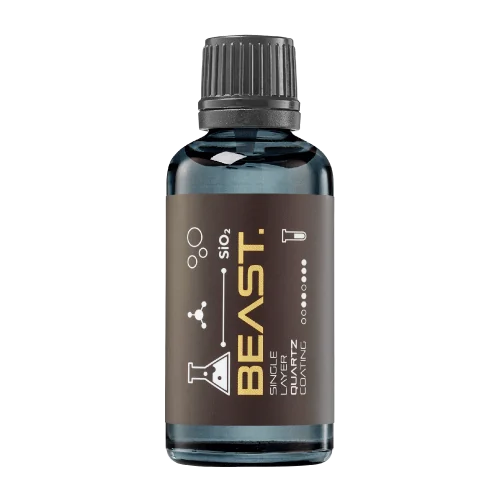
Four formulas. Extended working time. Find the coating for your finish.
Explore the BEAST family of ceramic coatings.
Find the coating for each exterior surface.
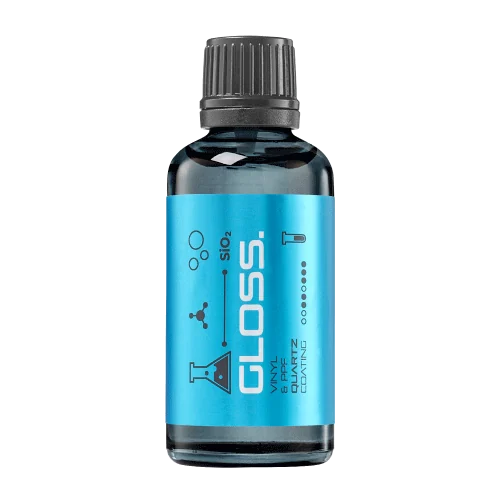 PPF & VINYLGLOSSProtection for glossy films and wraps.Discover
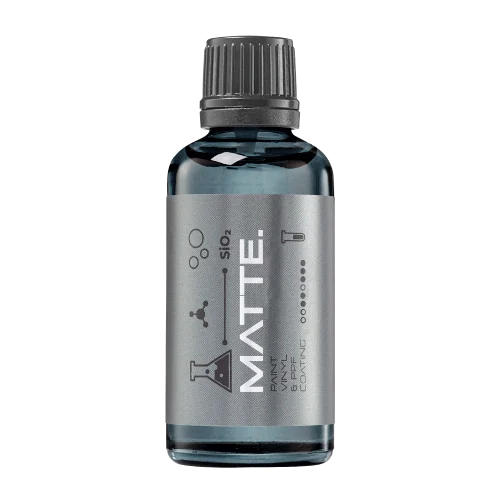 MATTE & SATINMATTEProtection that respects the finish.Discover
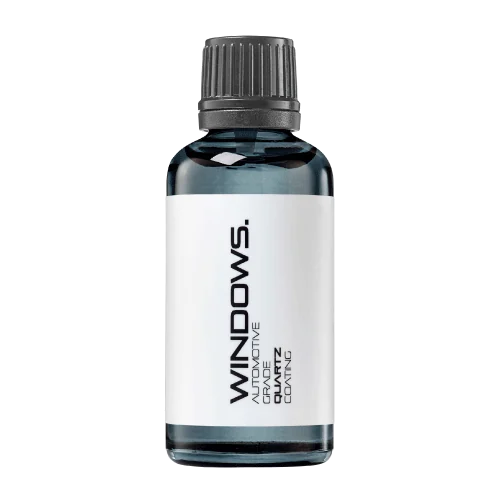 GLASSWINDOWSExplore dedicated glass protection.Discover
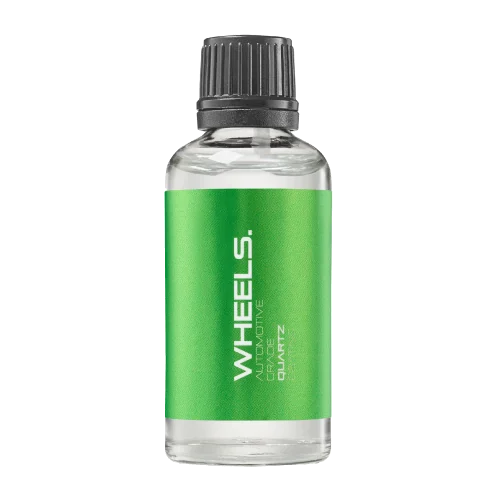 WHEEL PROTECTIONWHEELSA dedicated coating for your wheels.Discover
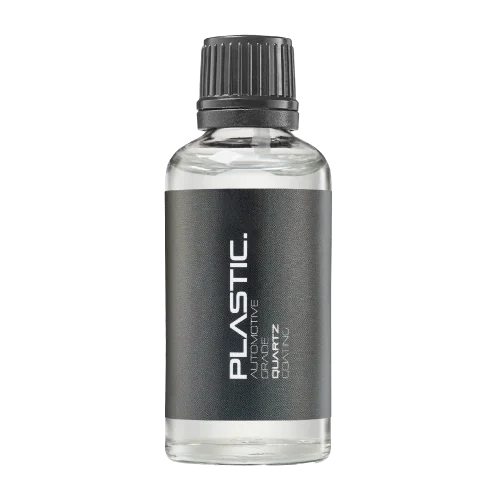 TRIM PROTECTIONPLASTICProtection for plastic surfaces.Discover
Dedicated care for the surfaces inside.
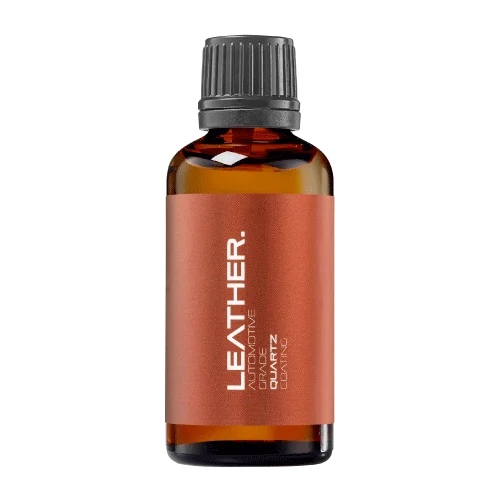 LEATHER SURFACESLEATHERDiscover NANOLAB leather protection.Discover PLASTIC SURFACESPLASTICProtection for interior plastic surfaces.Discover TEXTILE SURFACESFABRICExplore the latest fabric formulation.Discover
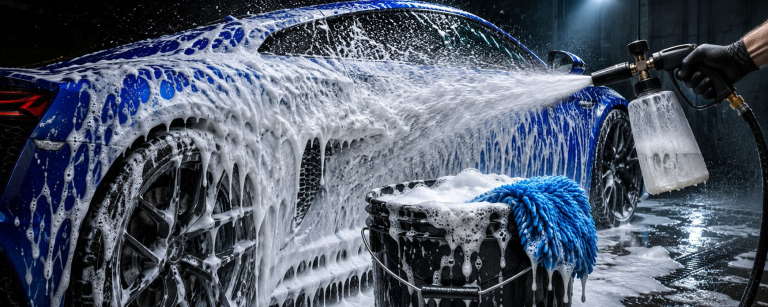 Preview all six shampoos →
Spray protection, maintenance and upcoming wash products.
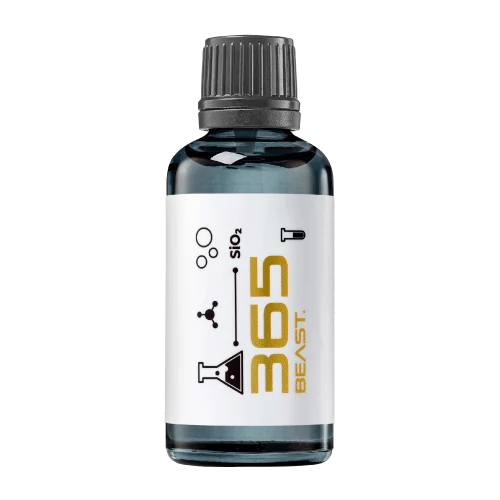 MAINTENANCEBEAST 365Explore the BEAST maintenance range.Discover
Next in washing, cleaning & care.
Ceramic protection for boats and yachts.
An easy-to-apply ceramic coating with an established track record on boats and yachts around the world.
Results vary with surface preparation, exposure and maintenance.
Read 50 MARINE guides →Explore MARINEProtection for the surfaces you live with.
A look at what we’re developing.
From cutting and one-step correction to final finishing.
A wider range for professional vehicle care.
Taking shape alongside BEAST & MATRIX.
Practical guidance for your next coating project.
Explore all guides →
Normalize powder liquid-uptake slopes for viscosity, density and surface tension, and understand when a Washburn contact-angle result is invalid.
Updated · NANOLAB Knowledge
The Washburn method uses liquid uptake into a porous material to estimate wetting behaviour. It can support investigation of powders used in coating or car-care development, but the result depends on the packed specimen and test liquid. A powder contact angle is not the water contact angle of the finished coating on a car.
A packed powder tube contacts a liquid while a force sensor tracks the mass gained. In the applicable capillary-flow region, squared mass uptake is related to elapsed time. The slope depends on the powder-bed capillary constant, liquid density, viscosity, surface tension and contact angle.
For a consistent packing system, write the relation as S = c × ρ² × σ × cos θ ÷ η. Here S is the slope of mass squared against time, c is the method’s capillary constant, ρ is liquid density, σ is liquid surface tension and η is viscosity. Keep units consistent throughout. The constant is tied to the specimen arrangement, not merely the powder’s trade name.
Define Q = S × η ÷ (ρ² × σ). With a suitable fully wetting reference liquid, cos θ is one and Q for that reference estimates c. For an equivalently prepared specimen tested with another liquid, cos θ = Qtest ÷ Qreference.
In a fictional calculation, suppose Qreference is 4.0 in a consistent unit system and Qtest is 2.0. The ratio is 0.50, giving θ = arccos(0.50) = 60°. This is an illustrative calculation, not a NANOLAB powder result. It assumes suitable wetting of the reference, equivalent packing and a valid fitted region.
Comparing raw uptake slopes without the liquid-property normalization can be misleading: a different viscosity or surface tension changes uptake even before a contact-angle difference is considered. A calculated ratio above one is a diagnostic flag, not a reason to clamp the answer to zero degrees and approve the result.
| Observation | Required interpretation |
|---|---|
| No spontaneous uptake | Do not assign a numerical angle above 90° from this capillary-rise method. |
| No defensible linear region | Investigate the specimen, uptake process and model fit before reporting an angle. |
| Powder changes on contact | Dissolution, swelling or reaction can invalidate the assumed fixed porous bed. |
| Different bed preparation | Reassess the capillary constant instead of attributing the whole change to chemistry. |
Request the original uptake curves, selected fit interval, liquid properties at the measurement temperature, reference-liquid rationale and independent packing replicates. Preserve the powder preparation record alongside each result. KRÜSS’s application study demonstrates why a controlled packing procedure matters; its particular powder and settings should not be copied as universal instructions.
Use the result to screen a defined wetting question, then assess dispersion, stability and finished-product behaviour separately. If the final question is liquid behaviour on a cured film, choose a suitable film measurement instead. Check the interface being measured before combining results from different techniques.
Technical references: KRÜSS: Washburn method and its limits; KRÜSS AR293: preparation and measurement reliability.