
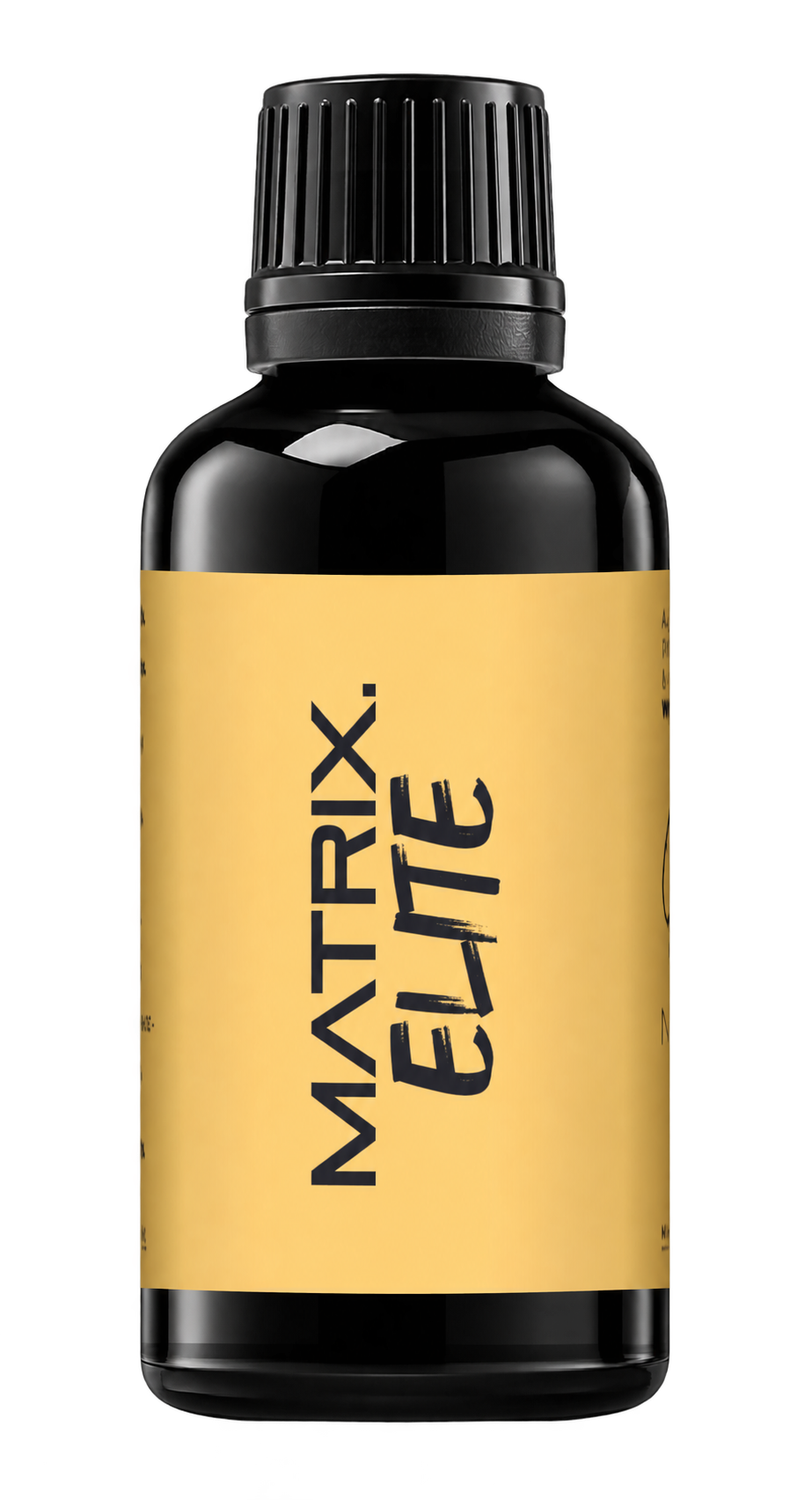
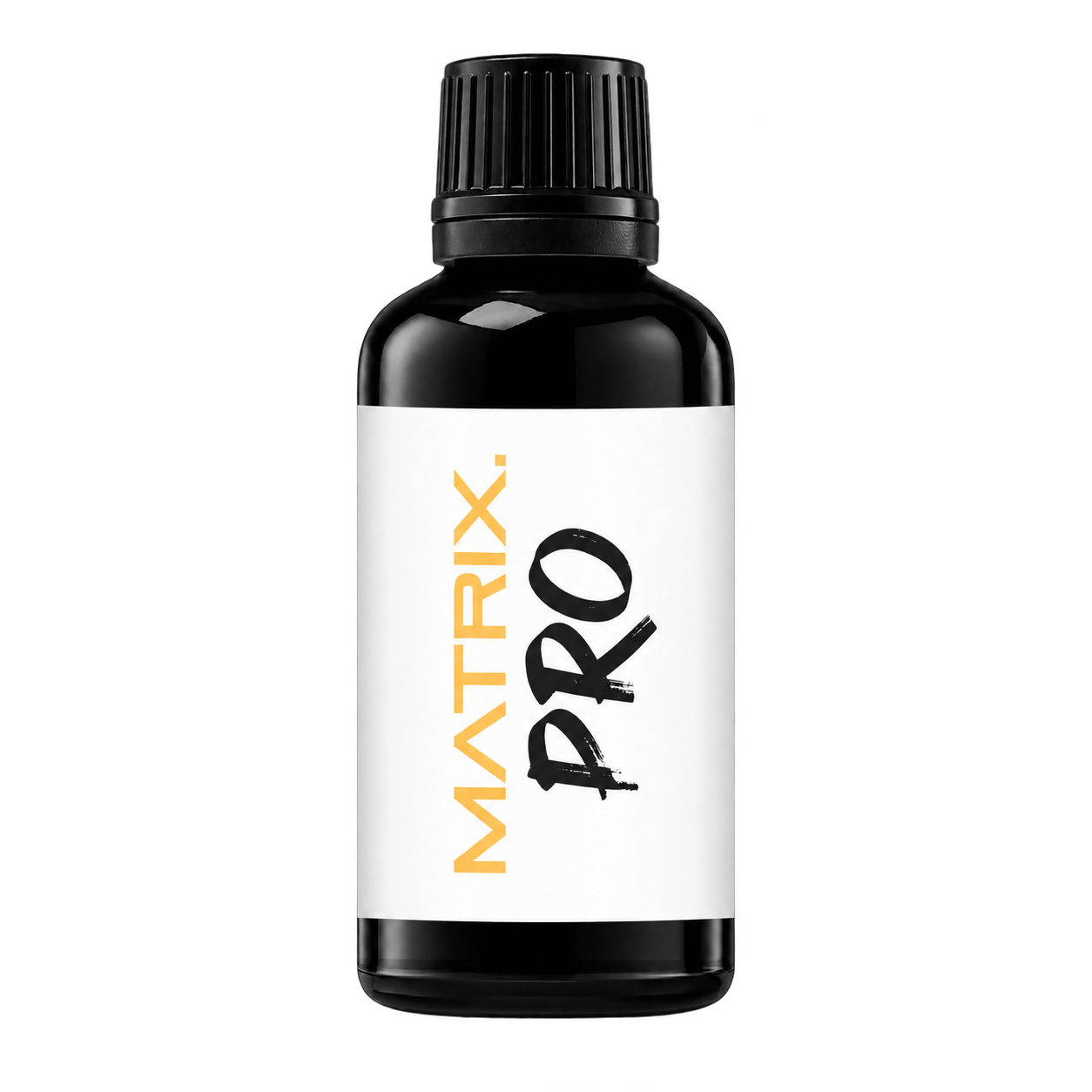
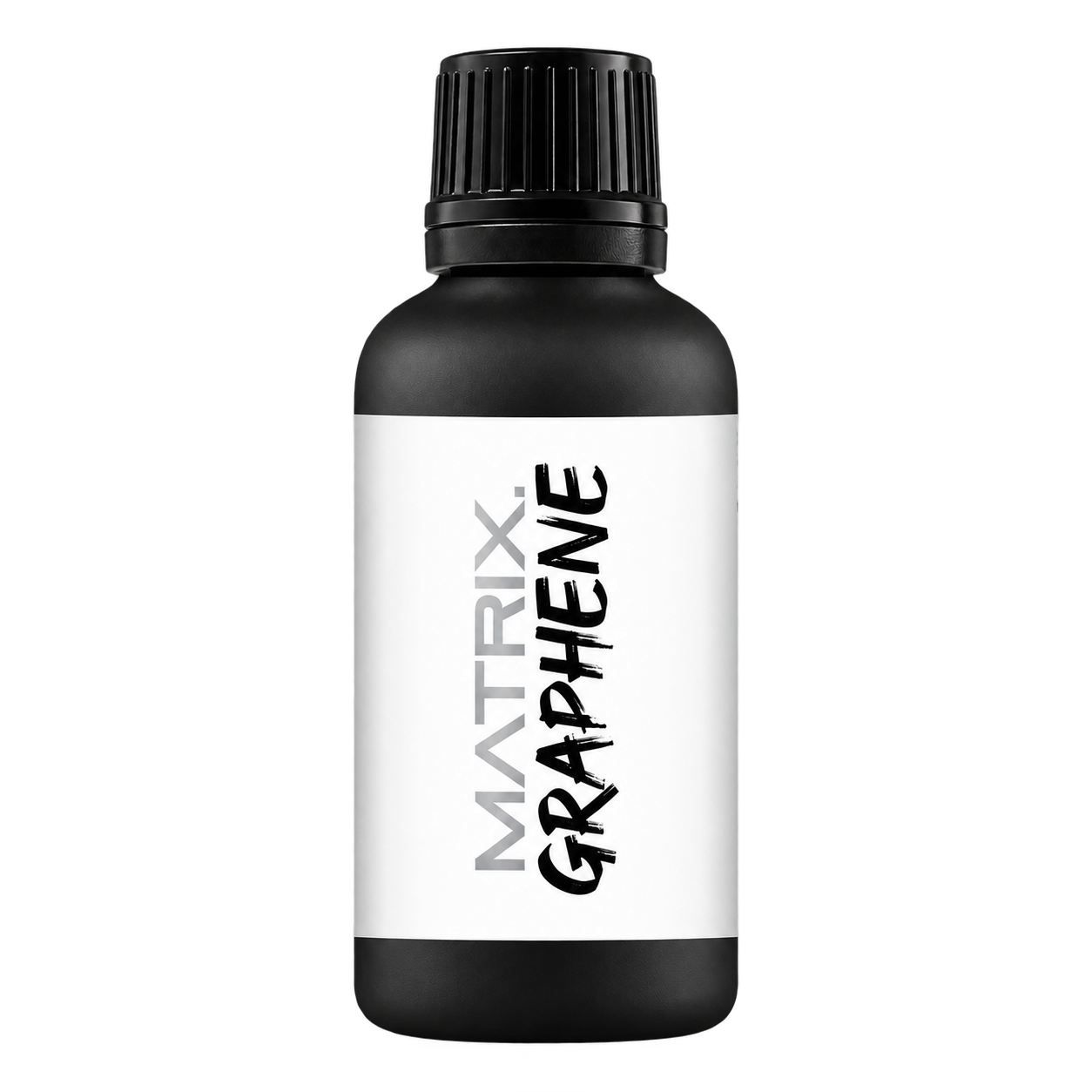
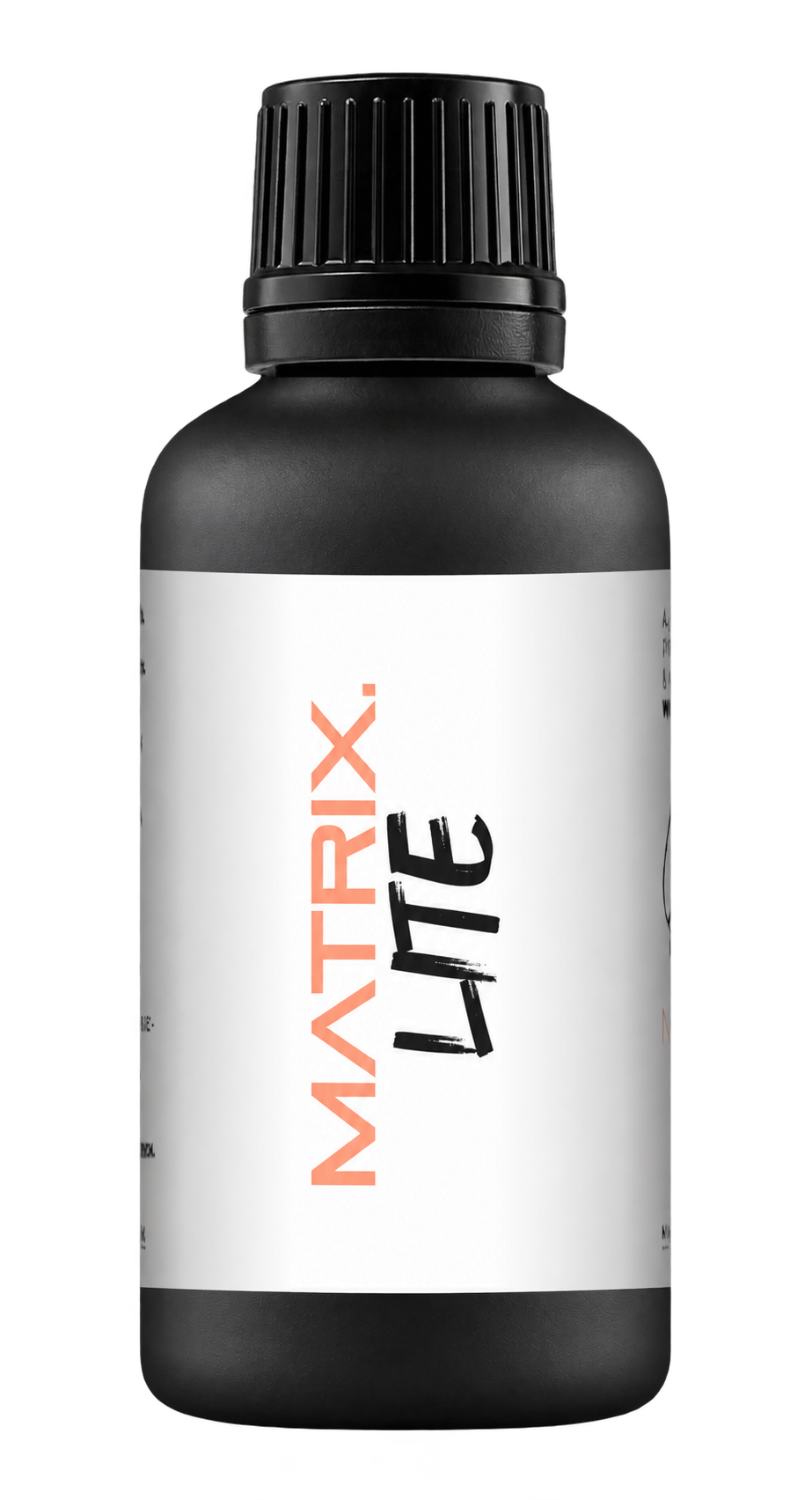
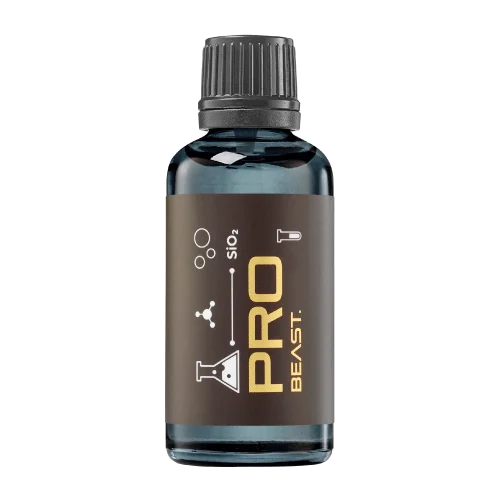
A full polishing range.
From cutting and one-step correction to final finishing.
Specialist chemistry. Expert application.
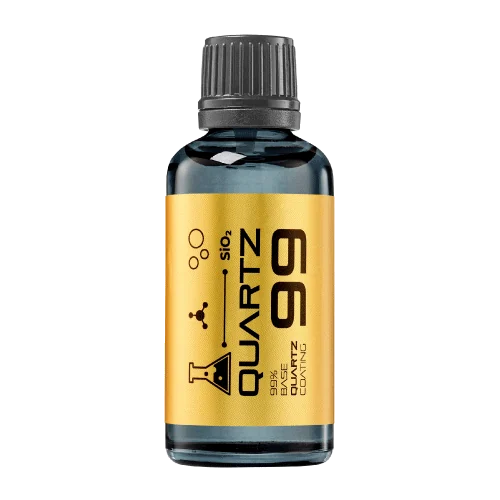 QUARTZ99 / CERAMIC BASE COAT
The foundation of your coating system.
A layerable quartz base coat designed for mechanical protection. Pair it with a suitable top coat to create the final finish.
For application by NANOLAB certified installers only.
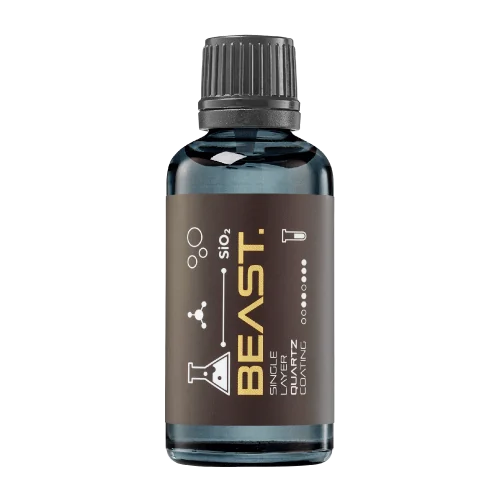
Four formulas. Extended working time. Find the coating for your finish.
Explore the BEAST family of ceramic coatings.
Find the coating for each exterior surface.
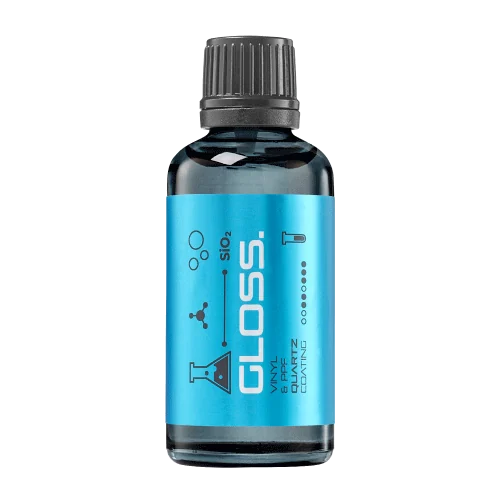 PPF & VINYLGLOSSProtection for glossy films and wraps.Discover
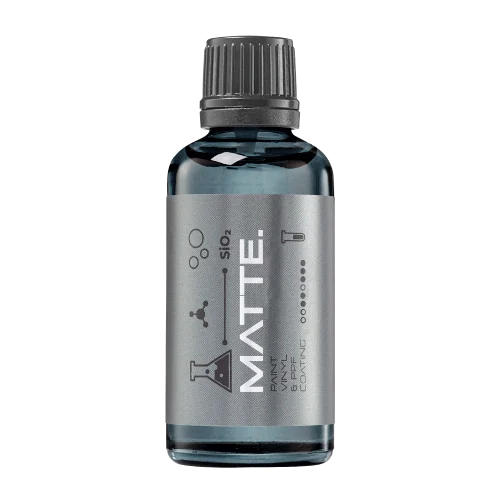 MATTE & SATINMATTEProtection that respects the finish.Discover
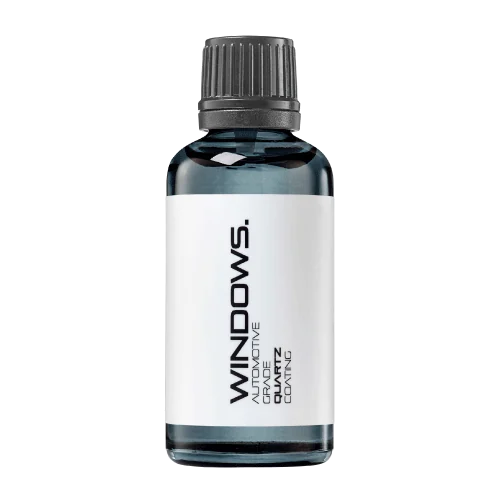 GLASSWINDOWSExplore dedicated glass protection.Discover
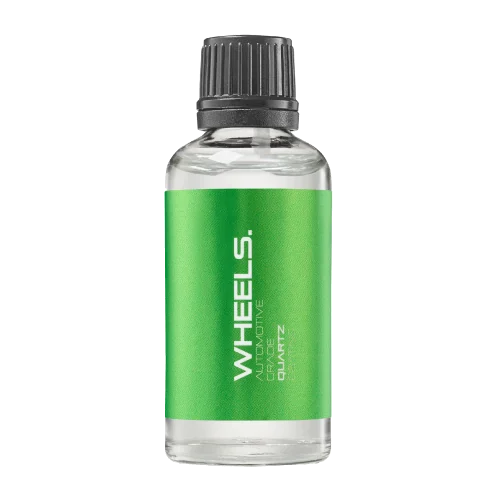 WHEEL PROTECTIONWHEELSA dedicated coating for your wheels.Discover
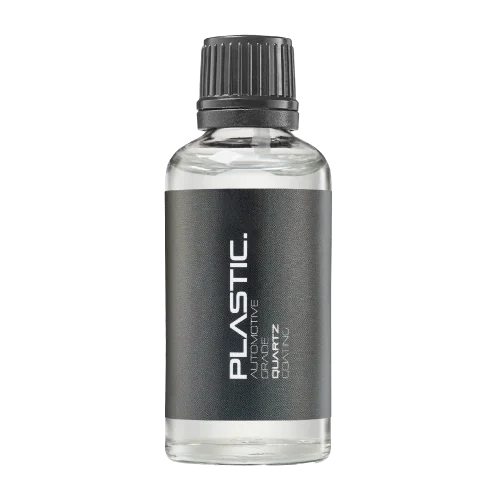 TRIM PROTECTIONPLASTICProtection for plastic surfaces.Discover
Dedicated care for the surfaces inside.
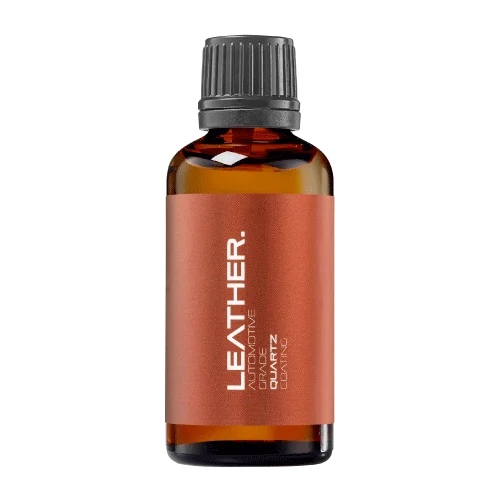 LEATHER SURFACESLEATHERDiscover NANOLAB leather protection.Discover PLASTIC SURFACESPLASTICProtection for interior plastic surfaces.Discover TEXTILE SURFACESFABRICExplore the latest fabric formulation.Discover
 Preview all six shampoos →
Spray protection, maintenance and upcoming wash products.
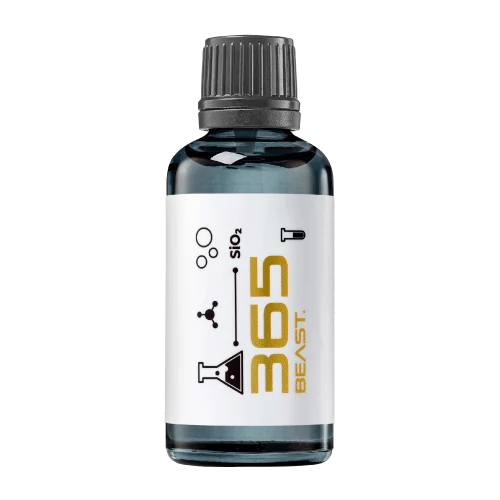 MAINTENANCEBEAST 365Explore the BEAST maintenance range.Discover
Next in washing, cleaning & care.
Ceramic protection for boats and yachts.
An easy-to-apply ceramic coating with an established track record on boats and yachts around the world.
Results vary with surface preparation, exposure and maintenance.
Read 50 MARINE guides →Explore MARINEProtection for the surfaces you live with.
A look at what we’re developing.
From cutting and one-step correction to final finishing.
A wider range for professional vehicle care.
Taking shape alongside BEAST & MATRIX.
Practical guidance for your next coating project.
Explore all guides →
Calculate creep compliance and finite-time recovery from a fictional strain record, then distinguish viscoelastic recoil from structural rebuilding.
Updated · NANOLAB Knowledge
A creep-and-recovery test observes how a material deforms under a sustained stress and how much deformation reverses after that stress is removed. For structured car-care formulations, it can add information that a single viscosity value misses. The result describes the tested specimen and loading history; it does not by itself establish shelf life or the performance of a cured coating.
During creep, the rheometer applies a chosen stress and records strain over time. During recovery, the commanded stress returns to zero and strain is monitored. An ideal viscous liquid keeps its accumulated deformation when unloaded; an ideal elastic material recoils completely. Real viscoelastic materials can show both recoverable and residual deformation.
Creep compliance J(t) is strain divided by the applied creep stress. Use dimensionless strain, not the displayed percentage number, and report compliance in inverse pascals when stress is in pascals. A larger compliance means greater deformation under the same stress at the stated time.
Suppose an invented test applies 5 Pa for 60 seconds. At the end of loading, strain is 20%, or 0.20. After 120 seconds at zero commanded stress, the remaining strain is 8%, or 0.08, relative to the original zero. These are fictional values, not a recommended method or NANOLAB result.
| Quantity | Calculation | Result |
|---|---|---|
| End-of-creep compliance | 0.20 ÷ 5 Pa | 0.040 Pa⁻¹ |
| Recovered strain by 120 seconds | 0.20 − 0.08 | 0.12, or 12 percentage points |
| Recoverable compliance by that time | 0.12 ÷ 5 Pa | 0.024 Pa⁻¹ |
| Fraction of end-of-creep strain recovered | 0.12 ÷ 0.20 × 100 | 60% |
The recovery calculation uses the original loading stress as the normalizer; it does not divide by zero during unloading. The remaining 8% should not be labelled permanently unrecoverable without considering whether the observation was long enough. Report the complete curve and the exact observation window.
For a linear-viscoelastic comparison, the laboratory can test suitable stress levels and assess whether the compliance curves overlap. TA Instruments notes that an oscillatory linear-region limit is not necessarily the creep-test limit. If the purpose instead is to reproduce an application load, explain that choice and do not assume linear behaviour.
Strain recovery after unloading concerns viscoelastic deformation. A thixotropy study asks about time-dependent structural changes and rebuilding after shear. A material may show both, but a “60% recovery” label is meaningless unless it identifies the measured quantity and denominator.
Connect the laboratory result to the operational concern, such as dispensing or sagging, using an appropriate application trial. Preserve sample preparation and recovery history so a later comparison does not mistake a changed procedure for an improved formulation.
Technical references: TA Instruments RH148: creep and recovery; TA Instruments RH111: linear-region assessment in transient tests.