
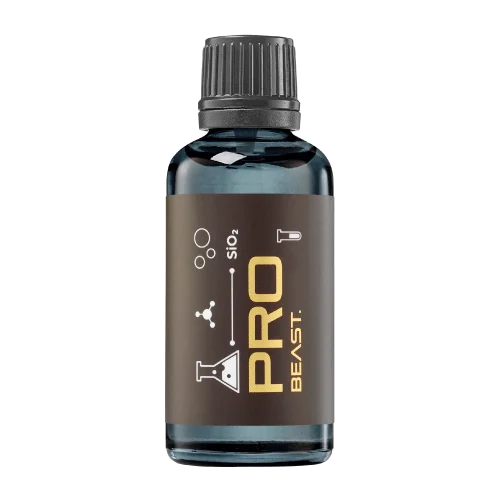
A full polishing range.
From cutting and one-step correction to final finishing.
Specialist chemistry. Expert application.
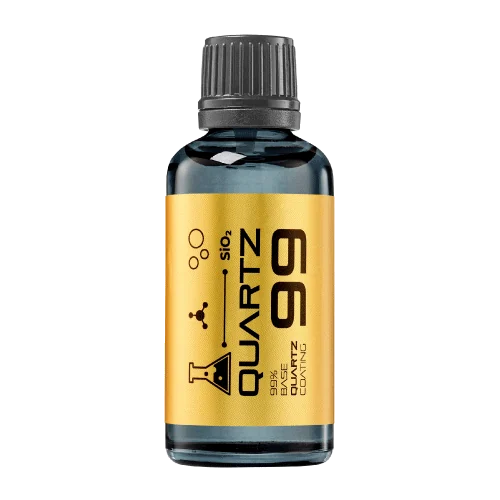 QUARTZ99 / CERAMIC BASE COAT
The foundation of your coating system.
A layerable quartz base coat designed for mechanical protection. Pair it with a suitable top coat to create the final finish.
For application by NANOLAB certified installers only.
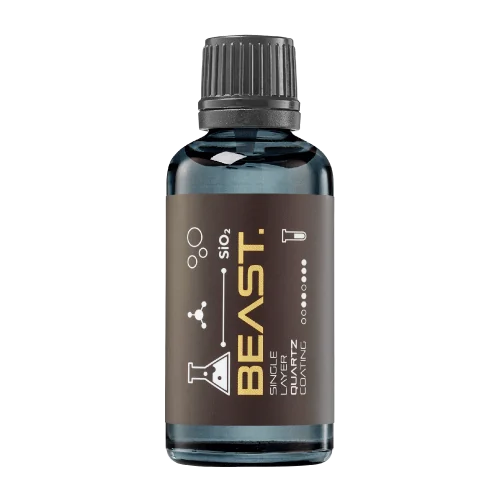
Four formulas. Extended working time. Find the coating for your finish.
Explore the BEAST family of ceramic coatings.
Find the coating for each exterior surface.
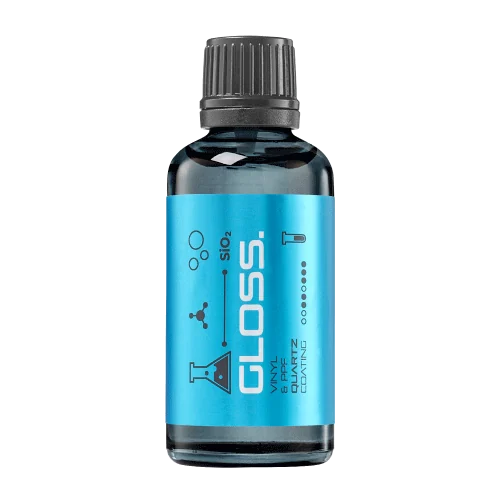 PPF & VINYLGLOSSProtection for glossy films and wraps.Discover
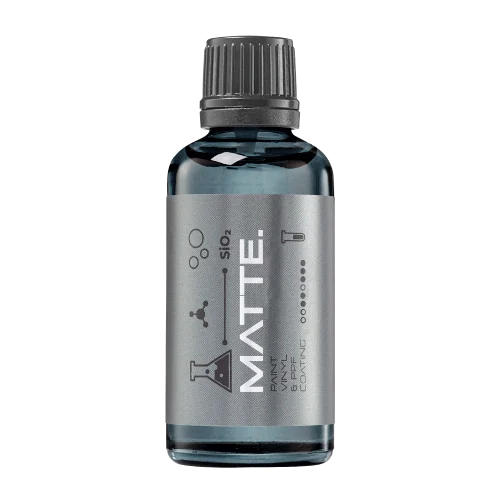 MATTE & SATINMATTEProtection that respects the finish.Discover
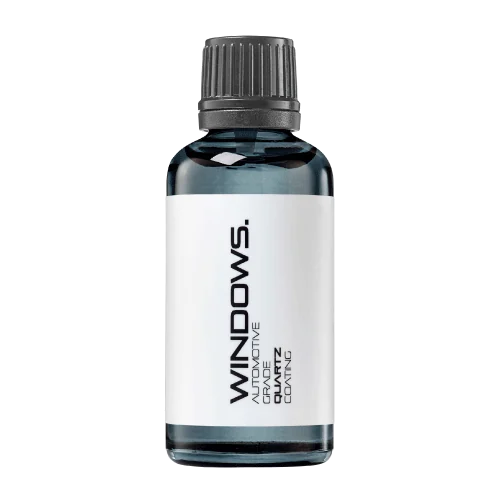 GLASSWINDOWSExplore dedicated glass protection.Discover
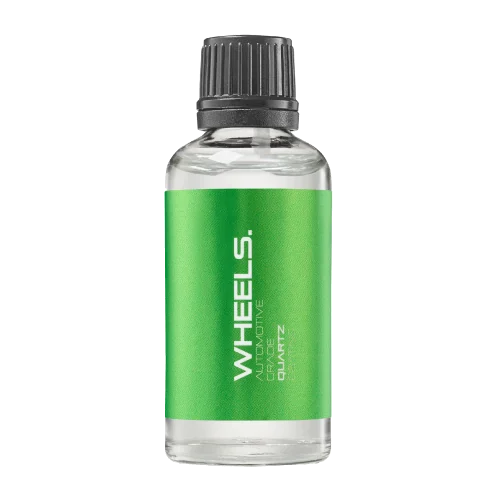 WHEEL PROTECTIONWHEELSA dedicated coating for your wheels.Discover
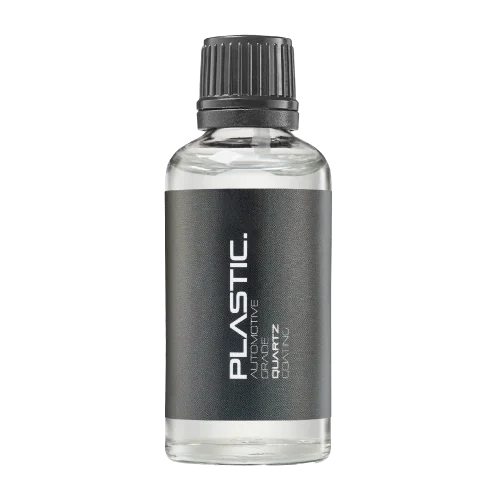 TRIM PROTECTIONPLASTICProtection for plastic surfaces.Discover
Dedicated care for the surfaces inside.
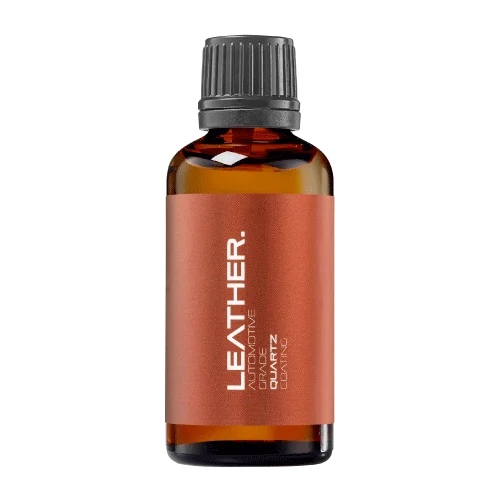 LEATHER SURFACESLEATHERDiscover NANOLAB leather protection.Discover PLASTIC SURFACESPLASTICProtection for interior plastic surfaces.Discover TEXTILE SURFACESFABRICExplore the latest fabric formulation.Discover
 Preview all six shampoos →
Spray protection, maintenance and upcoming wash products.
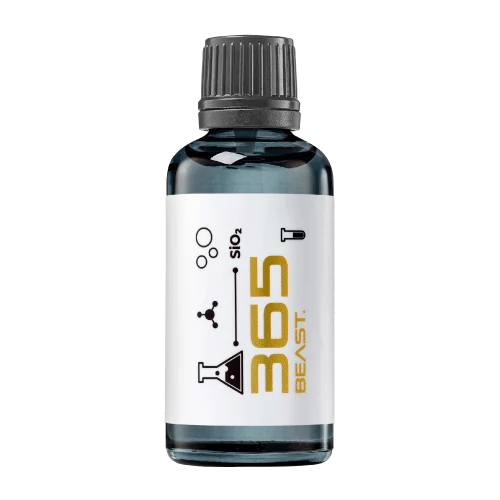 MAINTENANCEBEAST 365Explore the BEAST maintenance range.Discover
Next in washing, cleaning & care.
Ceramic protection for boats and yachts.
An easy-to-apply ceramic coating with an established track record on boats and yachts around the world.
Results vary with surface preparation, exposure and maintenance.
Read 50 MARINE guides →Explore MARINEProtection for the surfaces you live with.
A look at what we’re developing.
From cutting and one-step correction to final finishing.
A wider range for professional vehicle care.
Taking shape alongside BEAST & MATRIX.
Practical guidance for your next coating project.
Explore all guides →
Use a fictional Hansen-distance calculation to screen solvent candidates, then separate model compatibility from formulation, packaging and application approval.
Updated · NANOLAB Knowledge
Hansen solubility parameters can help a formulator shortlist liquids for a resin or dispersed material. They describe interactions in a three-coordinate model; they do not establish that a solvent is suitable for a finished coating, its packaging or the surface on which it will be applied.
The model uses dispersion, polar and hydrogen-bonding components, commonly written δD, δP and δH. Values are usually expressed in MPa½. Keep the method, temperature and source of the values with the calculation. A fitted region from one material grade or test endpoint should not silently become a universal property of an entire product family.
The official Hansen reference defines the distance as Ra² = 4(ΔδD)² + (ΔδP)² + (ΔδH)². When an experimentally fitted interaction radius R0 is available, the relative energy difference is RED = Ra/R0. The result is a screening coordinate, not a percentage of solubility.
Assume a hypothetical resin has coordinates (17, 6, 8) and a fitted radius R0 = 5. The following numbers are invented for teaching; they do not describe NANOLAB ingredients or recommend particular solvents.
| Candidate | δD, δP, δH | Ra calculation | RED |
|---|---|---|---|
| A | 18, 8, 7 | √(4 × 1² + 2² + 1²) = 3.00 | 0.60 |
| B | 20, 7, 12 | √(4 × 3² + 1² + 4²) = 7.28 | 1.46 |
Candidate A falls inside this assumed sphere and B outside it. That gives a reason to prioritize A in a controlled compatibility investigation. It does not prove that A is the better commercial coating carrier. The sphere may have been fitted to a different concentration or observation time from the intended formulation.
Write the decision before preparing samples: for example, whether a candidate maintains an agreed resin concentration without persistent separation over specified observation conditions. Define what counts as acceptable and retain unsuccessful observations as well as favourable ones.
For a packaging change, the question is different: a liquid that dissolves a binder effectively may interact undesirably with a seal or liner. Keep these evaluations separate. See the guide to solutions, dispersions and emulsions when interpreting appearance.
State the required drying and application behaviour, allowed storage conditions, intended substrates and packaging constraints. Let the development team evaluate a candidate against that complete brief. Do not add an alternative solvent to a supplied coating merely because a spreadsheet shows a low RED value; changing the carrier creates a formulation requiring its own assessment.
Method reference: Hansen Solubility Parameters: HSP Basics. The worked calculation and development checklist above are illustrative applications of the model.