






A full polishing range.
From cutting and one-step correction to final finishing.
Specialist chemistry. Expert application.
 QUARTZ99 / CERAMIC BASE COAT
The foundation of your coating system.
A layerable quartz base coat designed for mechanical protection. Pair it with a suitable top coat to create the final finish.
For application by NANOLAB certified installers only.
Four formulas. Extended working time. Find the coating for your finish.
Explore the BEAST family of ceramic coatings.
Find the coating for each exterior surface.
 PPF & VINYLGLOSSProtection for glossy films and wraps.Discover
 MATTE & SATINMATTEProtection that respects the finish.Discover
 GLASSWINDOWSExplore dedicated glass protection.Discover
 WHEEL PROTECTIONWHEELSA dedicated coating for your wheels.Discover
 TRIM PROTECTIONPLASTICProtection for plastic surfaces.Discover
Dedicated care for the surfaces inside.
 LEATHER SURFACESLEATHERDiscover NANOLAB leather protection.Discover PLASTIC SURFACESPLASTICProtection for interior plastic surfaces.Discover TEXTILE SURFACESFABRICExplore the latest fabric formulation.Discover
Spray protection, maintenance and upcoming wash products.
 MAINTENANCEBEAST 365Explore the BEAST maintenance range.Discover
Next in washing, cleaning & care.
Ceramic protection for boats and yachts.
An easy-to-apply ceramic coating with an established track record on boats and yachts around the world.
Results vary with surface preparation, exposure and maintenance.
Read 50 MARINE guides →Explore MARINEProtection for the surfaces you live with.
A look at what we’re developing.
From cutting and one-step correction to final finishing.
A wider range for professional vehicle care.
Taking shape alongside BEAST & MATRIX.
Practical guidance for your next coating project.
Explore all guides →
Agree paint-finish acceptance under relevant lighting before delivery so a change in viewing conditions does not create an avoidable surprise.
Updated · NANOLAB Knowledge
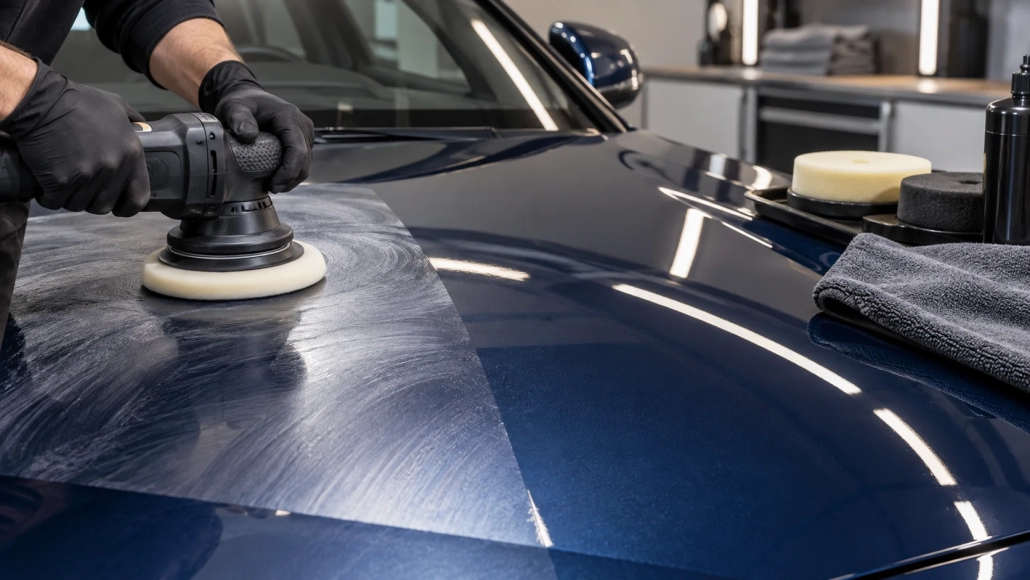
A vehicle inspected under workshop lights may be delivered in direct sun, shade or a bright showroom. Those views can reveal different features. Plan the acceptance method before the customer arrives.
Discuss the intended correction level and known remaining defects. Use controlled inspection lighting and, where practical, a representative broader viewing condition. Do not promise defect-free appearance under every conceivable light.
Inspect after the supported residue-removal process and any required waiting conditions. A temporary gloss product should not be used to hide a difference between workshop and delivery views.
| View | Purpose |
|---|---|
| Controlled inspection | Checks targeted defects consistently |
| Whole-vehicle view | Checks uniformity and overall presentation |
| Delivery-relevant view | Confirms the agreed customer-facing result |
If another light reveals a mark, reproduce the observation and compare it with the agreed scope. Determine whether it is an uncorrected defect, residue, a reflection or a known limitation before deciding on more polishing.
A delivery deadline does not justify removing more material without reassessment. Discuss the appropriate next action if the required correction exceeds the accepted plan.
Record the final condition with context and detail photographs where useful. A transparent handover explains what was achieved and what remains, using views the customer can recognise rather than relying solely on the workshop’s most flattering light.
Ask NANOLAB about your surface and intended use. For application and care, use the current instructions for the exact product.
Choose a polishing process by testing defect removal, finishing quality and clear-coat preservation rather than counting steps alone.
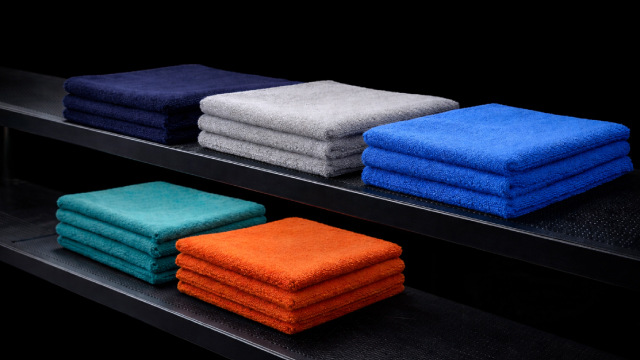
A finish can look different under a customer's garage lights, outdoor sun or showroom illumination.
Use a defect Pareto chart to prioritise recurring polishing rework, while keeping severity and inspection opportunity separate from simple counts.

 PPF Roll Storage History and Coating Trials: Trace the Installed Material