






A full polishing range.
From cutting and one-step correction to final finishing.
Specialist chemistry. Expert application.
 QUARTZ99 / CERAMIC BASE COAT
The foundation of your coating system.
A layerable quartz base coat designed for mechanical protection. Pair it with a suitable top coat to create the final finish.
For application by NANOLAB certified installers only.
Four formulas. Extended working time. Find the coating for your finish.
Explore the BEAST family of ceramic coatings.
Find the coating for each exterior surface.
 PPF & VINYLGLOSSProtection for glossy films and wraps.Discover
 MATTE & SATINMATTEProtection that respects the finish.Discover
 GLASSWINDOWSExplore dedicated glass protection.Discover
 WHEEL PROTECTIONWHEELSA dedicated coating for your wheels.Discover
 TRIM PROTECTIONPLASTICProtection for plastic surfaces.Discover
Dedicated care for the surfaces inside.
 LEATHER SURFACESLEATHERDiscover NANOLAB leather protection.Discover PLASTIC SURFACESPLASTICProtection for interior plastic surfaces.Discover TEXTILE SURFACESFABRICExplore the latest fabric formulation.Discover
Spray protection, maintenance and upcoming wash products.
 MAINTENANCEBEAST 365Explore the BEAST maintenance range.Discover
Next in washing, cleaning & care.
Ceramic protection for boats and yachts.
An easy-to-apply ceramic coating with an established track record on boats and yachts around the world.
Results vary with surface preparation, exposure and maintenance.
Read 50 MARINE guides →Explore MARINEProtection for the surfaces you live with.
A look at what we’re developing.
From cutting and one-step correction to final finishing.
A wider range for professional vehicle care.
Taking shape alongside BEAST & MATRIX.
Practical guidance for your next coating project.
Explore all guides →
Use a defect Pareto chart to prioritise recurring polishing rework, while keeping severity and inspection opportunity separate from simple counts.
Updated · NANOLAB Knowledge
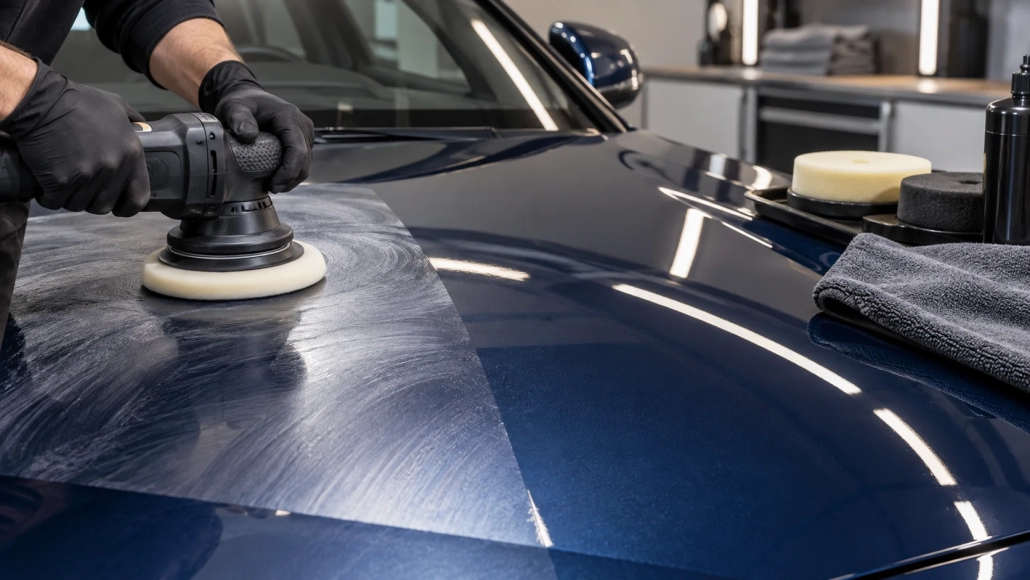
A workshop may remember the most frustrating polishing defect rather than the one consuming the most effort. A Pareto-style ranking organises recurring defect categories by count or cost so improvement work starts with evidence.
Define a manageable list such as residual haze, missed defects, trim residue and inspection-related rework. Record the location and job as well as the category. Avoid counting the same issue several times simply because several people noticed it.
Counts identify frequency; rework minutes identify labour burden. Both are useful, but they can produce different priorities. A rare severe defect may require immediate action even if it contributes little to the total count.
| Category | Cases | Rework minutes |
|---|---|---|
| Residue | 12 | 60 |
| Residual haze | 6 | 150 |
| Missed local defect | 4 | 80 |
Residue leads by frequency, while haze leads by recorded rework time. The improvement decision should state which outcome matters.
If one month contains more jobs or more detailed inspections, raw defect counts can rise without a worse process. Keep job count, job mix and inspection practice beside the chart.
After changing a process, continue the same recording method and look for reduced recurrence without creating another defect. Do not assume the familiar 80/20 pattern must appear in every dataset.
The chart is a prioritisation tool. It identifies where to investigate; it does not prove the root cause or replace surface-specific judgement.
Ask NANOLAB about your surface and intended use. For application and care, use the current instructions for the exact product.
Choose a polishing process by testing defect removal, finishing quality and clear-coat preservation rather than counting steps alone.
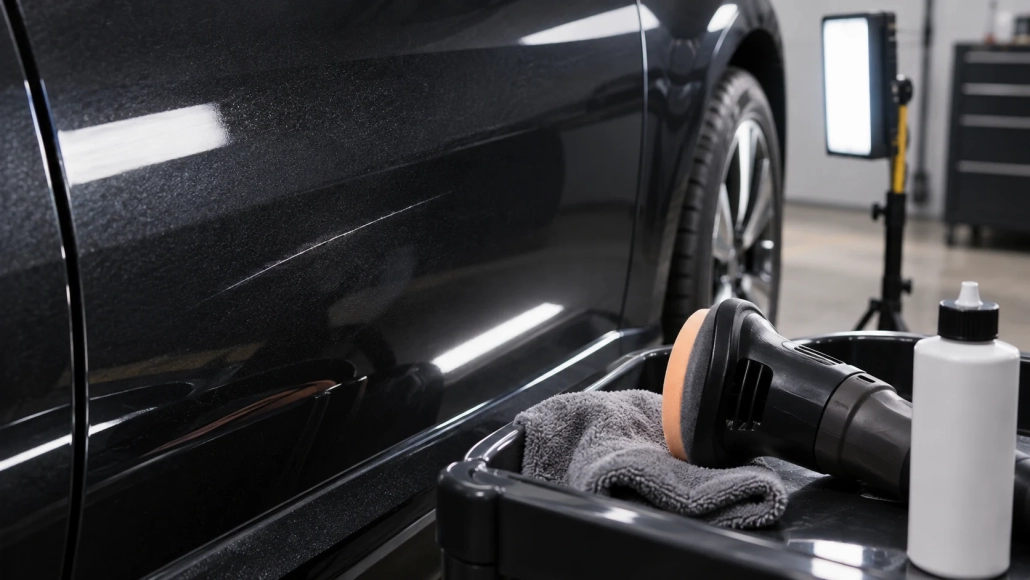
Keep a stable visual reference during local paint correction so changing light and repeated inspection do not move the agreed stopping point.
Track waiting between polishing and final inspection so workshop capacity improvements target delays as well as machine time.
 Why Finished Paint Waits: Find Delays between Polishing and Final Inspectio...