






A full polishing range.
From cutting and one-step correction to final finishing.
Specialist chemistry. Expert application.
 QUARTZ99 / CERAMIC BASE COAT
The foundation of your coating system.
A layerable quartz base coat designed for mechanical protection. Pair it with a suitable top coat to create the final finish.
For application by NANOLAB certified installers only.
Four formulas. Extended working time. Find the coating for your finish.
Explore the BEAST family of ceramic coatings.
Find the coating for each exterior surface.
 PPF & VINYLGLOSSProtection for glossy films and wraps.Discover
 MATTE & SATINMATTEProtection that respects the finish.Discover
 GLASSWINDOWSExplore dedicated glass protection.Discover
 WHEEL PROTECTIONWHEELSA dedicated coating for your wheels.Discover
 TRIM PROTECTIONPLASTICProtection for plastic surfaces.Discover
Dedicated care for the surfaces inside.
 LEATHER SURFACESLEATHERDiscover NANOLAB leather protection.Discover PLASTIC SURFACESPLASTICProtection for interior plastic surfaces.Discover TEXTILE SURFACESFABRICExplore the latest fabric formulation.Discover
Spray protection, maintenance and upcoming wash products.
 MAINTENANCEBEAST 365Explore the BEAST maintenance range.Discover
Next in washing, cleaning & care.
Ceramic protection for boats and yachts.
An easy-to-apply ceramic coating with an established track record on boats and yachts around the world.
Results vary with surface preparation, exposure and maintenance.
Read 50 MARINE guides →Explore MARINEProtection for the surfaces you live with.
A look at what we’re developing.
From cutting and one-step correction to final finishing.
A wider range for professional vehicle care.
Taking shape alongside BEAST & MATRIX.
Practical guidance for your next coating project.
Explore all guides →
Control inspection-wipe technique when comparing polished surfaces so the assessment step does not introduce different marks or residue removal.
Updated · NANOLAB Knowledge
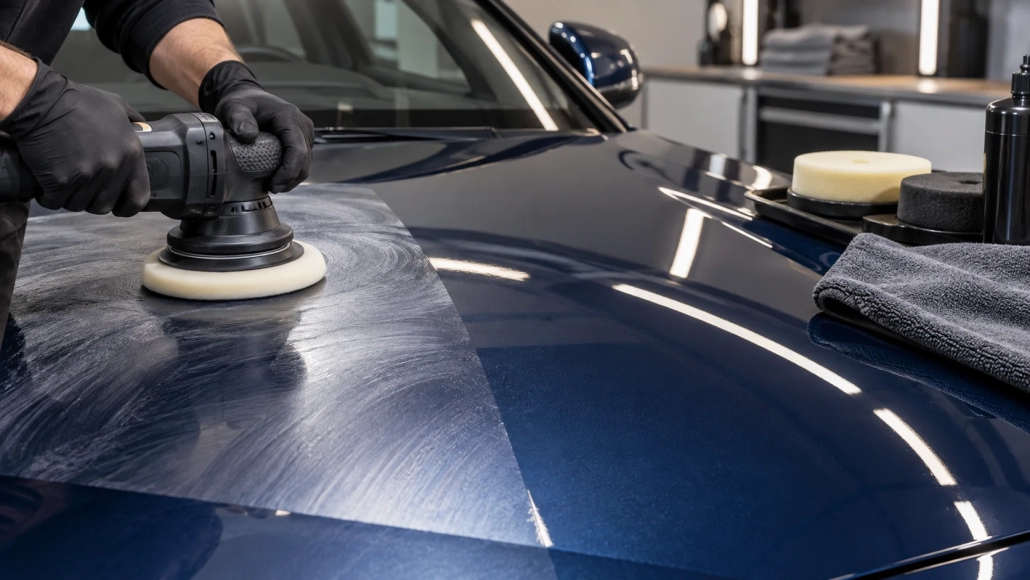
The inspection wipe is part of a polishing comparison. If one operator wipes lightly and another scrubs a small area repeatedly, the surfaces may enter inspection with different residue and mechanical histories.
Use a cleaner and towel system compatible with the paint and polishing process. Specify the practical sequence, towel condition and replacement cue. Avoid an arbitrary force target unless it belongs to a validated measurement method.
Have operators demonstrate the procedure on suitable test surfaces and compare the dry result under the same light. Record whether the wipe removes the required residue without adding visible marks.
| Variable | Control question |
|---|---|
| Towel | Same type and verified clean condition? |
| Liquid | Supported product and application method? |
| Repeated passes | Defined routine or uncontrolled extra work? |
If haze appears only after one inspection method, compare matched areas using the approved alternatives. Preserve the original surface record and avoid repeatedly wiping the same spot until its history becomes untraceable.
An inspection wipe should not quietly become another polishing or aggressive cleaning stage. If further correction is required, record it as such and reassess through the complete process.
Consistent wiping improves confidence in the comparison because the final inspection is less likely to create the difference being attributed to the compound. It also gives new operators a concrete procedure instead of a vague instruction to wipe until it looks right.
Ask NANOLAB about your surface and intended use. For application and care, use the current instructions for the exact product.
Choose a polishing process by testing defect removal, finishing quality and clear-coat preservation rather than counting steps alone.
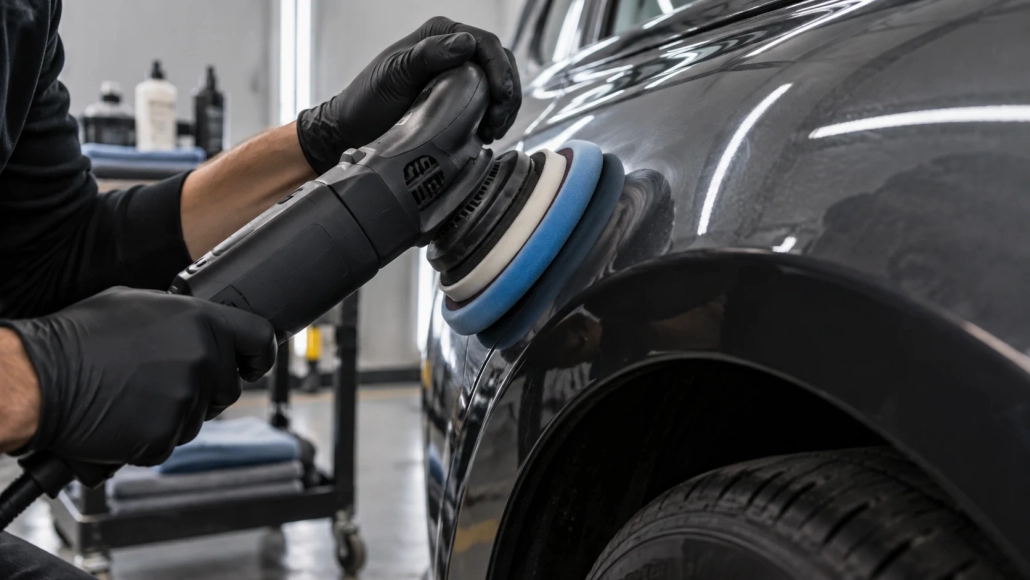
Understand why DA polishing pressure depends on the supported system and how excessive or inconsistent loading can undermine a repeatable result.
Plan refinement around raised body lines using surface assessment and suitable tooling rather than extending a flat-panel polishing method automatically.
 Protecting Raised Body Lines while Refining Adjacent Paint