






A full polishing range.
From cutting and one-step correction to final finishing.
Specialist chemistry. Expert application.
 QUARTZ99 / CERAMIC BASE COAT
The foundation of your coating system.
A layerable quartz base coat designed for mechanical protection. Pair it with a suitable top coat to create the final finish.
For application by NANOLAB certified installers only.
Four formulas. Extended working time. Find the coating for your finish.
Explore the BEAST family of ceramic coatings.
Find the coating for each exterior surface.
 PPF & VINYLGLOSSProtection for glossy films and wraps.Discover
 MATTE & SATINMATTEProtection that respects the finish.Discover
 GLASSWINDOWSExplore dedicated glass protection.Discover
 WHEEL PROTECTIONWHEELSA dedicated coating for your wheels.Discover
 TRIM PROTECTIONPLASTICProtection for plastic surfaces.Discover
Dedicated care for the surfaces inside.
 LEATHER SURFACESLEATHERDiscover NANOLAB leather protection.Discover PLASTIC SURFACESPLASTICProtection for interior plastic surfaces.Discover TEXTILE SURFACESFABRICExplore the latest fabric formulation.Discover
Spray protection, maintenance and upcoming wash products.
 MAINTENANCEBEAST 365Explore the BEAST maintenance range.Discover
Next in washing, cleaning & care.
Ceramic protection for boats and yachts.
An easy-to-apply ceramic coating with an established track record on boats and yachts around the world.
Results vary with surface preparation, exposure and maintenance.
Read 50 MARINE guides →Explore MARINEProtection for the surfaces you live with.
A look at what we’re developing.
From cutting and one-step correction to final finishing.
A wider range for professional vehicle care.
Taking shape alongside BEAST & MATRIX.
Practical guidance for your next coating project.
Explore all guides →
Prevent housekeeping tools from carrying residue between rooms by defining towel roles, clean storage and change points in the glass-care routine.
Updated · NANOLAB Knowledge
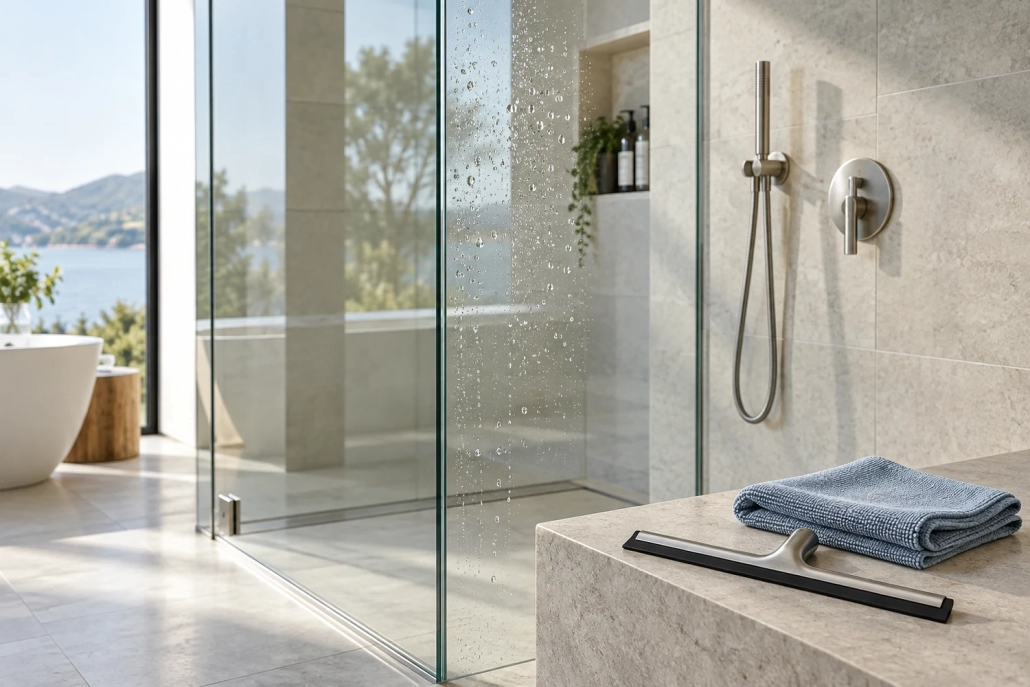
A glass-cleaning method can be suitable in the first room and become unreliable later if the same towel carries product or soil between tasks. Room-to-room consistency requires control of the tools as well as the cleaner.
Define which towels handle glass, adjacent hardware and other bathroom surfaces. Use a clear identification system and train staff on the purpose. Colour coding helps only if clean and used materials remain separated in practice.
Use the property’s validated cleaning procedure and actual soil load to determine when towels are replaced. Avoid a universal room count that ignores heavy deposits or accidental contamination. A dropped or wrongly used towel should leave the clean-glass workflow.
| Transfer point | Control |
|---|---|
| Laundry to trolley | Protected clean storage |
| Trolley to room | Correct role and clean condition |
| Used towel return | Separate closed or designated collection |
If glass is consistently streak-free early in the shift but not later, review towel condition, bottle handling and replenishment before blaming the coating. Repeat a representative task with verified clean tools and the same supported cleaner.
Observe a normal trolley setup and room transition. A written procedure may look clear while the physical layout encourages staff to place used towels beside clean ones.
The coating’s cleanability is only useful if the maintenance system preserves it. Practical separation and accessible replacement stock reduce variation without requiring stronger chemicals or extra polishing whenever a streak appears.
Ask NANOLAB about your surface and intended use. For application and care, use the current instructions for the exact product.
A test patch should represent the actual enclosure, including its existing finish and maintenance needs.
A simple survey can prevent unsuitable products being applied during a home coating project.
Measure shower-cleaning time to a shared accepted finish so faster work does not simply transfer residue and rework to the next inspection.

 Timing Shower Cleaning without Rewarding Incomplete Work