






A full polishing range.
From cutting and one-step correction to final finishing.
Specialist chemistry. Expert application.
 QUARTZ99 / CERAMIC BASE COAT
The foundation of your coating system.
A layerable quartz base coat designed for mechanical protection. Pair it with a suitable top coat to create the final finish.
For application by NANOLAB certified installers only.
Four formulas. Extended working time. Find the coating for your finish.
Explore the BEAST family of ceramic coatings.
Find the coating for each exterior surface.
 PPF & VINYLGLOSSProtection for glossy films and wraps.Discover
 MATTE & SATINMATTEProtection that respects the finish.Discover
 GLASSWINDOWSExplore dedicated glass protection.Discover
 WHEEL PROTECTIONWHEELSA dedicated coating for your wheels.Discover
 TRIM PROTECTIONPLASTICProtection for plastic surfaces.Discover
Dedicated care for the surfaces inside.
 LEATHER SURFACESLEATHERDiscover NANOLAB leather protection.Discover PLASTIC SURFACESPLASTICProtection for interior plastic surfaces.Discover TEXTILE SURFACESFABRICExplore the latest fabric formulation.Discover
Spray protection, maintenance and upcoming wash products.
 MAINTENANCEBEAST 365Explore the BEAST maintenance range.Discover
Next in washing, cleaning & care.
Ceramic protection for boats and yachts.
An easy-to-apply ceramic coating with an established track record on boats and yachts around the world.
Results vary with surface preparation, exposure and maintenance.
Read 50 MARINE guides →Explore MARINEProtection for the surfaces you live with.
A look at what we’re developing.
From cutting and one-step correction to final finishing.
A wider range for professional vehicle care.
Taking shape alongside BEAST & MATRIX.
Practical guidance for your next coating project.
Explore all guides →
Coordinate softener regeneration and detailing demand so the team knows which water is available during and after the equipment’s service cycle.
Updated · NANOLAB Knowledge
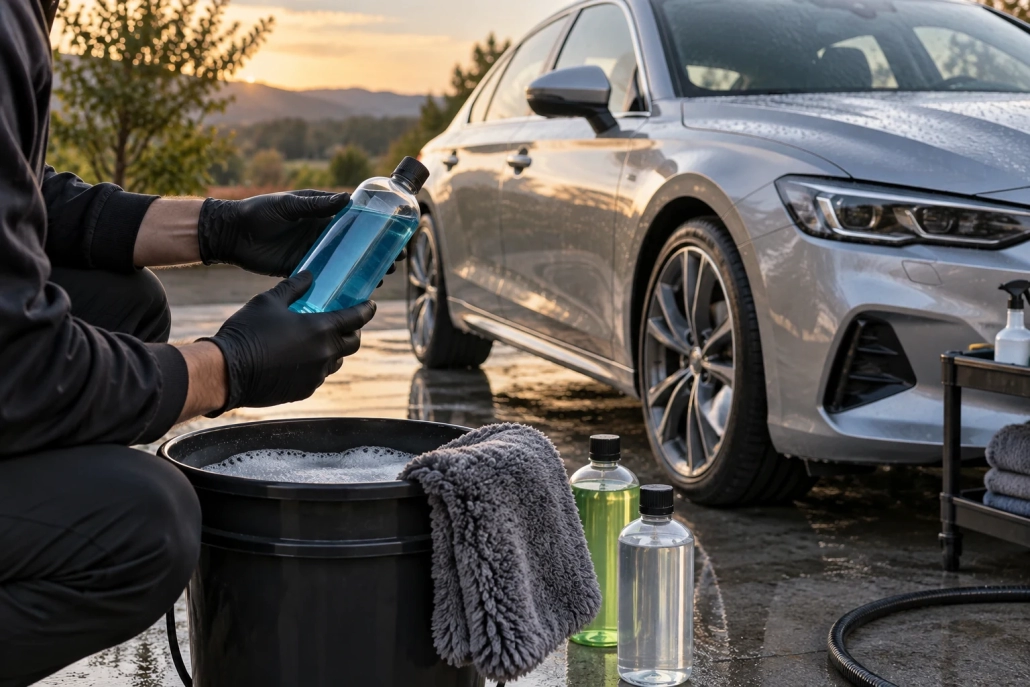
A wash bay may receive different water during a softener’s regeneration cycle, depending on the equipment and plumbing arrangement. Scheduling coating-care work without understanding that cycle can make otherwise consistent washing results vary.
Do not assume every softener shuts off the supply or provides untreated bypass water. Verify the installed arrangement and keep its operating instructions accessible.
List the periods with the greatest rinse demand and the tasks that require a defined water quality. Coordinate the approved regeneration schedule with those needs. Include storage capacity only if it is suitable, maintained and actually connected to the relevant outlets.
A workshop discovers that its first vehicles of the morning are rinsed while the system is completing a programmed cycle. Rather than changing shampoo, it documents the cycle, confirms the outlet condition and schedules the sensitive rinse task after the verified return to service.
| Shift record | Use |
|---|---|
| Cycle start and completion | Identify possible supply changes |
| Outlet check | Confirm the water actually used |
| Unusual demand | Explain capacity-related variation |
EPA describes regeneration as part of cation-exchange softener operation. Softening is not a universal guarantee of residue-free drying, and its suitability must be assessed for the actual task.
Use supplier guidance for settings and maintenance. The workshop’s role is to coordinate work, preserve records and recognise when water conditions have changed.
The sources below support the stated concepts or describe their own methods. The worked scenarios are editorial examples, not NANOLAB test results.
Ask NANOLAB about your surface and intended use. For application and care, use the current instructions for the exact product.
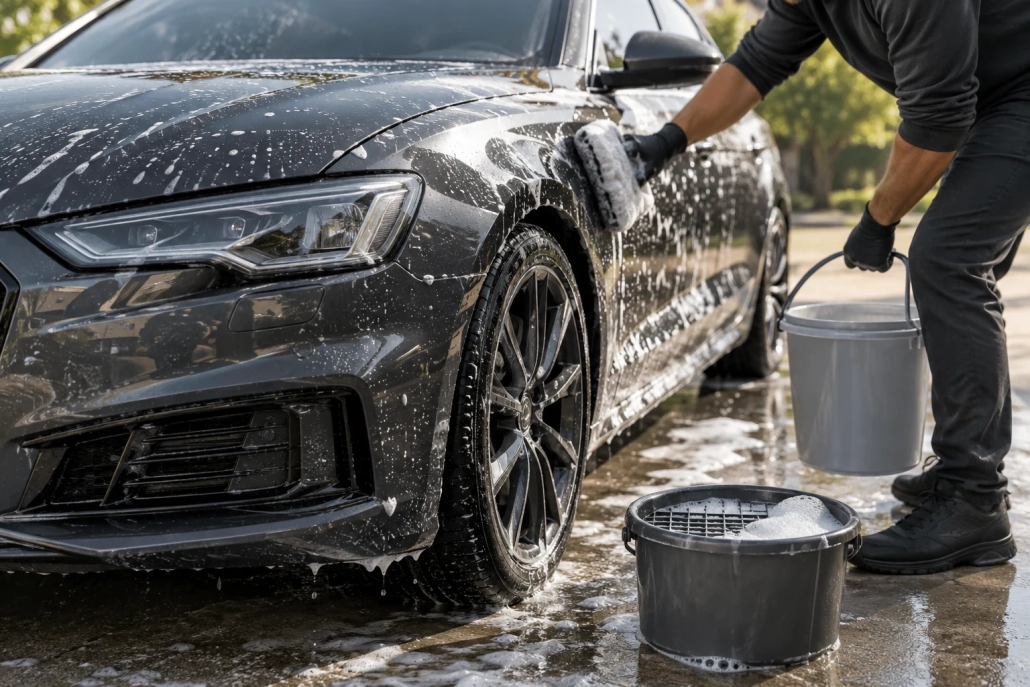
Build a gentle wash routine that removes loose grit before contact, keeps wheel tools separate and ends with careful rinsing and drying.

Water hardness and alkalinity are not interchangeable, even when both are reported as calcium-carbonate equivalents. Identify which property a report measured before using it to explain wash results or select water-treatment equipment.
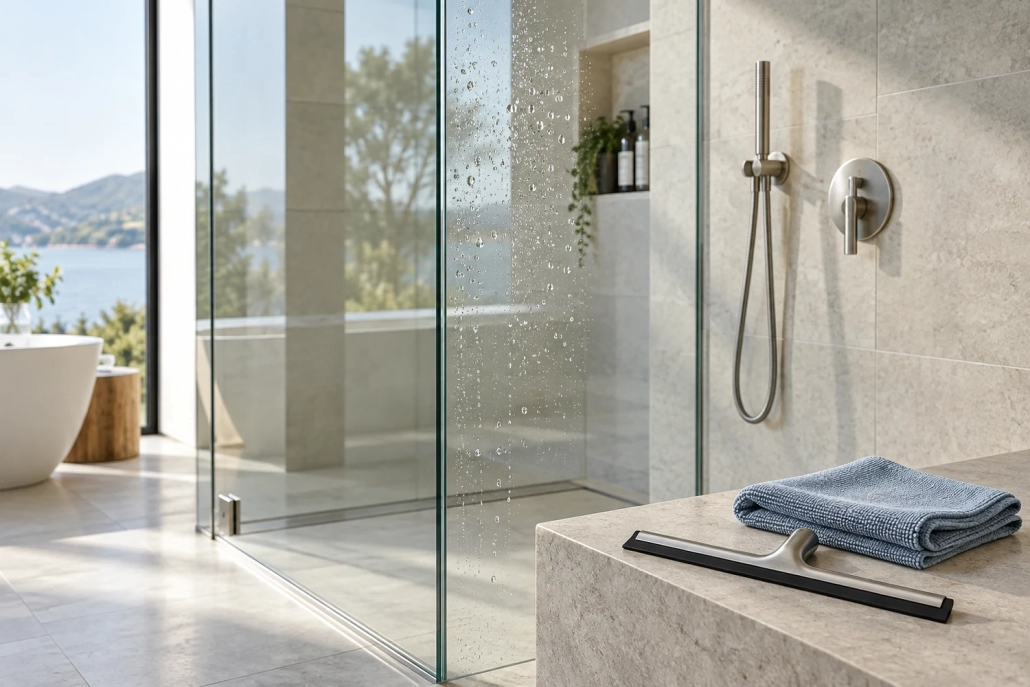
Investigate persistent glass deposits with the right water analysis instead of assuming that a hardness value identifies every mineral-related mark.

 Silica Deposits on Glass: Why a Hardness Reading Does Not Identify Every Sp...