






A full polishing range.
From cutting and one-step correction to final finishing.
Specialist chemistry. Expert application.
 QUARTZ99 / CERAMIC BASE COAT
The foundation of your coating system.
A layerable quartz base coat designed for mechanical protection. Pair it with a suitable top coat to create the final finish.
For application by NANOLAB certified installers only.
Four formulas. Extended working time. Find the coating for your finish.
Explore the BEAST family of ceramic coatings.
Find the coating for each exterior surface.
 PPF & VINYLGLOSSProtection for glossy films and wraps.Discover
 MATTE & SATINMATTEProtection that respects the finish.Discover
 GLASSWINDOWSExplore dedicated glass protection.Discover
 WHEEL PROTECTIONWHEELSA dedicated coating for your wheels.Discover
 TRIM PROTECTIONPLASTICProtection for plastic surfaces.Discover
Dedicated care for the surfaces inside.
 LEATHER SURFACESLEATHERDiscover NANOLAB leather protection.Discover PLASTIC SURFACESPLASTICProtection for interior plastic surfaces.Discover TEXTILE SURFACESFABRICExplore the latest fabric formulation.Discover
Spray protection, maintenance and upcoming wash products.
 MAINTENANCEBEAST 365Explore the BEAST maintenance range.Discover
Next in washing, cleaning & care.
Ceramic protection for boats and yachts.
An easy-to-apply ceramic coating with an established track record on boats and yachts around the world.
Results vary with surface preparation, exposure and maintenance.
Read 50 MARINE guides →Explore MARINEProtection for the surfaces you live with.
A look at what we’re developing.
From cutting and one-step correction to final finishing.
A wider range for professional vehicle care.
Taking shape alongside BEAST & MATRIX.
Practical guidance for your next coating project.
Explore all guides →
Control water storage bottles, caps and transfer tools when comparing coating wetting behaviour so container contamination does not bias the result.
Updated · NANOLAB Knowledge
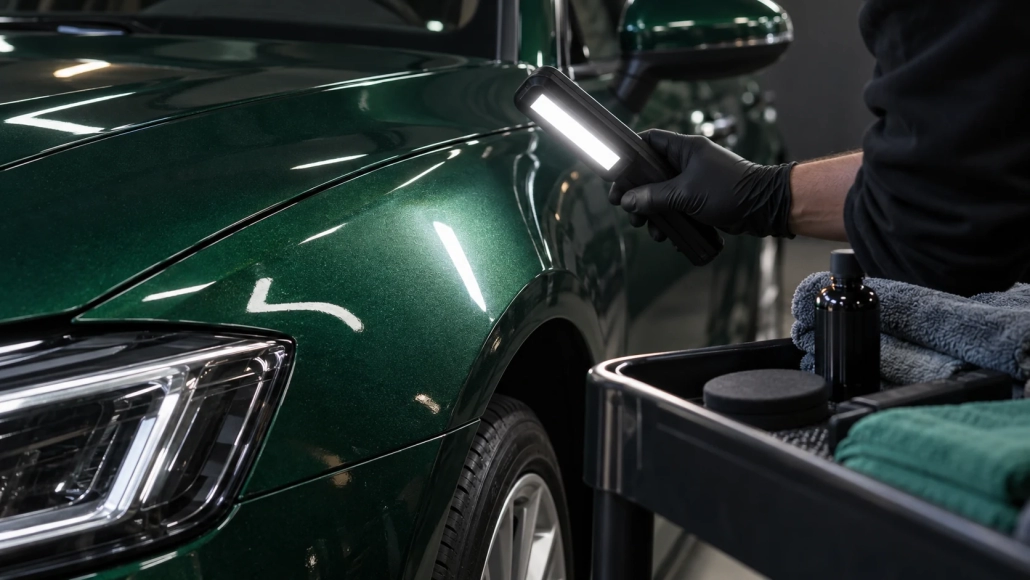
Two tests described as using the same water may still differ if one sample comes from a fresh laboratory container and the other from a reused workshop spray bottle. The container is part of the test-liquid history.
Record the source, collection time, storage container and transfer method. Use containers suitable for the required water quality and measurement. Follow the laboratory’s validated cleaning procedure rather than assuming an empty bottle is clean.
A reused bottle may have held detergent, a maintenance spray or another liquid. Even when no visible residue remains, it should not be accepted as a reference container without appropriate verification.
Keep the main supply closed and transfer only the working quantity needed. Do not return unused liquid from the test bench to the stock container. Label working containers clearly to avoid confusing water with preparation chemicals.
If water behaviour changes unexpectedly across several coating samples, compare fresh working water prepared through the documented route with water from the suspect container. Use the same reference surface and measurement procedure. A difference points to the liquid path as an investigation target, not immediate proof of a specific contaminant.
| Control | Record |
|---|---|
| Container identity | Material, prior use and cleaning status |
| Water identity | Source and relevant quality information |
| Storage history | Time and conditions |
Good container control does not make an informal demonstration a certified laboratory test. It removes an avoidable source of ambiguity and helps explain why a workshop result might differ from a carefully controlled measurement.
Preserve the water-handling record with the panel data whenever the comparison will influence product selection or a performance statement.
Ask NANOLAB about your surface and intended use. For application and care, use the current instructions for the exact product.
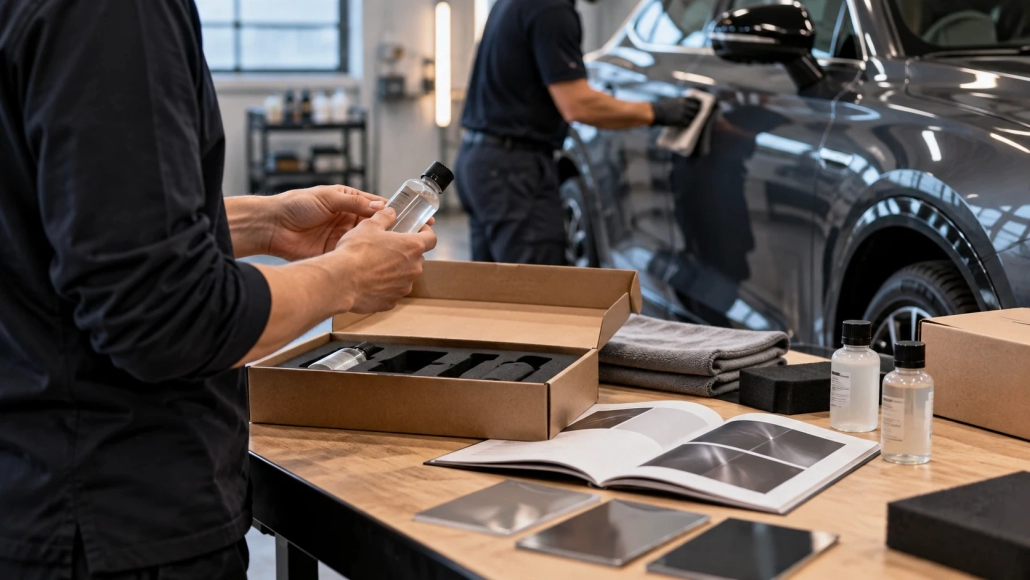
Design a coating field trial with recorded vehicles, use patterns, care routines and inspection points that produce interpretable feedback.
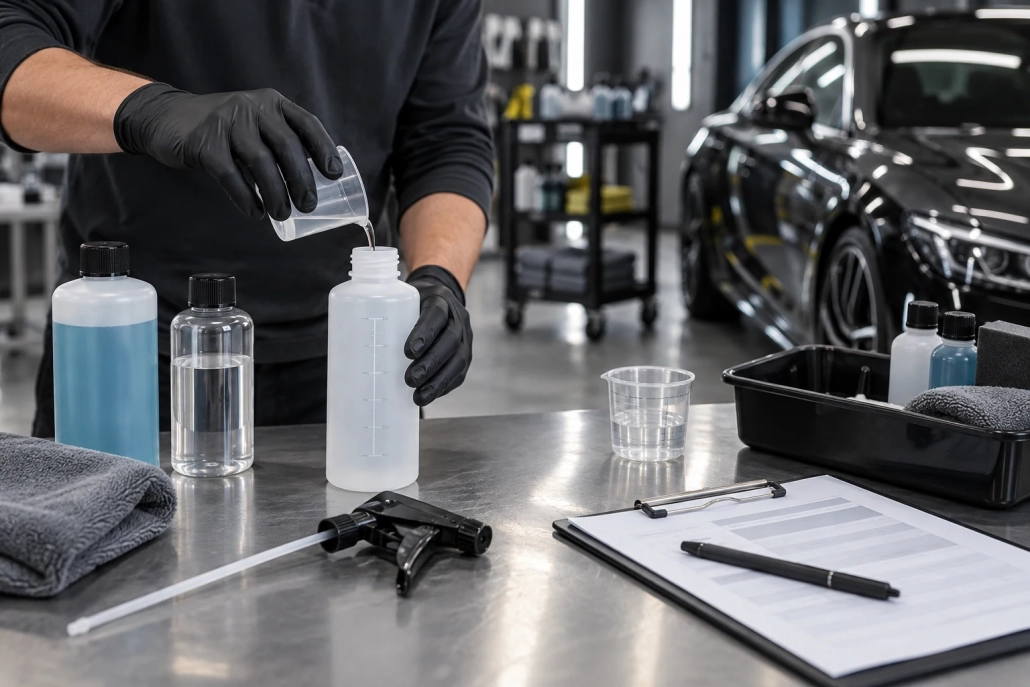
Keep measuring containers identifiable and suitable for the product so dilution and preparation work do not introduce residue from an earlier task.

Plan the measurement queue so coating samples are compared at similar ages after preparation rather than at different stages of development.
 Coating Test Queue Design: Keep Preparation Age Comparable