
Moving from Polishing to a Clean Coating Bay
Prepare the vehicle, tools and work area for coating by completing dust-producing tasks and checking the handover from correction.
Updated · NANOLAB Knowledge
The transition from polishing to coating should be a deliberate handover. Dust, used pads and open cleaning products can continue to affect prepared paint even after the machine work has finished.
Finish the dirty tasks
Complete justified correction and remove masking and polishing residue carefully. Clean gaps, badges and trim where dust collects. If another wash is required, plan complete drying and the specified final preparation afterward.
Avoid active compounding or dusty work close to panels entering the coating stage. Review airflow and access without introducing an uncontrolled source of contamination.
Reset the work surface
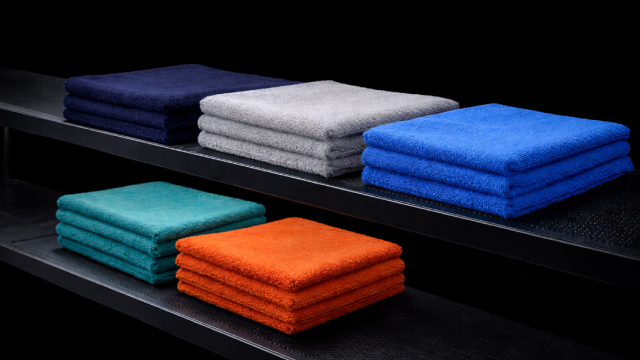
Separate used tools and waste from clean applicators and towels. Confirm the coating identity, surface map and current instructions. Have inspection lighting ready before application rather than searching for it during removal.
Check panel conditions against the product requirements. A vehicle brought from outside may need assessment before work continues, even if the room itself is comfortable.
Use a short handover check
Confirm that the finish is accepted, residue is removed, hidden water is addressed and clean tools are available. Where two technicians are involved, record what is complete and which areas remain excluded or uncertain.
Read compound-dust cleanup and the final pre-coating checklist. This transition keeps the preparation process connected to the actual NANOLAB application instead of treating cleaning and coating as unrelated tasks.