






A full polishing range.
From cutting and one-step correction to final finishing.
Specialist chemistry. Expert application.
 QUARTZ99 / CERAMIC BASE COAT
The foundation of your coating system.
A layerable quartz base coat designed for mechanical protection. Pair it with a suitable top coat to create the final finish.
For application by NANOLAB certified installers only.
Four formulas. Extended working time. Find the coating for your finish.
Explore the BEAST family of ceramic coatings.
Find the coating for each exterior surface.
 PPF & VINYLGLOSSProtection for glossy films and wraps.Discover
 MATTE & SATINMATTEProtection that respects the finish.Discover
 GLASSWINDOWSExplore dedicated glass protection.Discover
 WHEEL PROTECTIONWHEELSA dedicated coating for your wheels.Discover
 TRIM PROTECTIONPLASTICProtection for plastic surfaces.Discover
Dedicated care for the surfaces inside.
 LEATHER SURFACESLEATHERDiscover NANOLAB leather protection.Discover PLASTIC SURFACESPLASTICProtection for interior plastic surfaces.Discover TEXTILE SURFACESFABRICExplore the latest fabric formulation.Discover
Spray protection, maintenance and upcoming wash products.
 MAINTENANCEBEAST 365Explore the BEAST maintenance range.Discover
Next in washing, cleaning & care.
Ceramic protection for boats and yachts.
An easy-to-apply ceramic coating with an established track record on boats and yachts around the world.
Results vary with surface preparation, exposure and maintenance.
Read 50 MARINE guides →Explore MARINEProtection for the surfaces you live with.
A look at what we’re developing.
From cutting and one-step correction to final finishing.
A wider range for professional vehicle care.
Taking shape alongside BEAST & MATRIX.
Practical guidance for your next coating project.
Explore all guides →
Define trial fields, units, sample IDs and missing values before combining coating spreadsheets or calculating comparison scores.
Updated · NANOLAB Knowledge
A data dictionary defines what each field in a trial record means. It prevents apparently similar columns from being combined when they actually contain different units, methods or event definitions. This matters as soon as more than one person records results.
For each column, specify its name, meaning, unit, allowed values and missing-value convention. “Cure time” needs a start and endpoint. “Temperature” needs to identify air, liquid or substrate. “Pass” needs an acceptance criterion and method revision.
An illustrative field called elapsed_hours could mean hours since application ended, while another sheet uses hours since the vehicle arrived. Combining them would create a plausible-looking but incorrect dataset. A clear definition prevents that error.
Use a unique sample ID that survives renaming and follow-up visits. Store product code, batch and surface identity in their own fields. Avoid encoding all information in a free-text sample name that staff must repeatedly interpret.
Keep dates in an unambiguous format and preserve the original time zone when time of day matters. Use explicit missing values rather than zero unless zero is the actual observation.
Retain measured values in one set of fields and derived rates, percentages or scores in another. Document the formula and version used for each calculation. This allows a corrected formula to be applied without overwriting the original evidence.
Before merging supplier or workshop files, compare their dictionaries. Resolve differences in units and definitions explicitly. A small documented conversion is better than silently forcing every column into the same label. The result is a trial record that can be checked, updated and understood by someone who did not attend the original application.
For product-specific application instructions, consult NANOLAB technical documentation or ask about your surface and intended use.
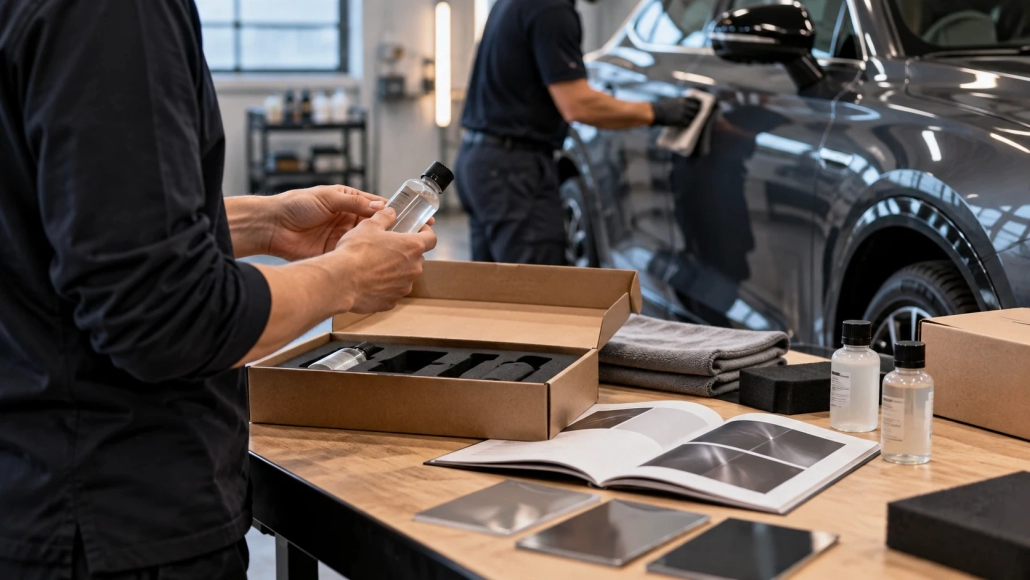
Design a coating field trial with recorded vehicles, use patterns, care routines and inspection points that produce interpretable feedback.
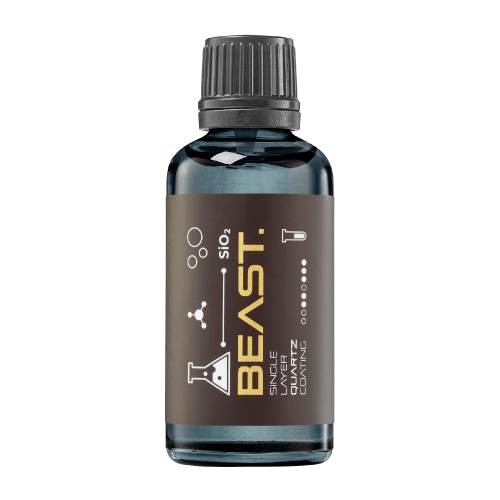
Several readings from one coated patch are not the same as several independently prepared test patches. Keep those two forms of repetition separate.
Distinguish standard deviation from standard error and label coating-test error bars so process variation is not hidden.