






A full polishing range.
From cutting and one-step correction to final finishing.
Specialist chemistry. Expert application.
 QUARTZ99 / CERAMIC BASE COAT
The foundation of your coating system.
A layerable quartz base coat designed for mechanical protection. Pair it with a suitable top coat to create the final finish.
For application by NANOLAB certified installers only.
Four formulas. Extended working time. Find the coating for your finish.
Explore the BEAST family of ceramic coatings.
Find the coating for each exterior surface.
 PPF & VINYLGLOSSProtection for glossy films and wraps.Discover
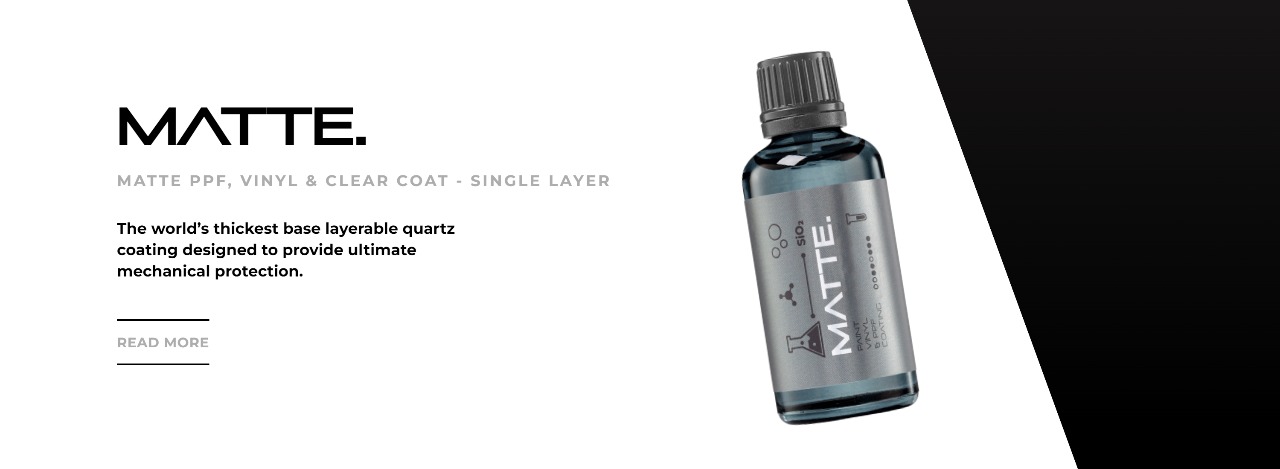
 MATTE & SATINMATTEProtection that respects the finish.Discover
 GLASSWINDOWSExplore dedicated glass protection.Discover
 WHEEL PROTECTIONWHEELSA dedicated coating for your wheels.Discover
 TRIM PROTECTIONPLASTICProtection for plastic surfaces.Discover
Dedicated care for the surfaces inside.
 LEATHER SURFACESLEATHERDiscover NANOLAB leather protection.Discover PLASTIC SURFACESPLASTICProtection for interior plastic surfaces.Discover TEXTILE SURFACESFABRICExplore the latest fabric formulation.Discover
Spray protection, maintenance and upcoming wash products.
 MAINTENANCEBEAST 365Explore the BEAST maintenance range.Discover
Next in washing, cleaning & care.
Ceramic protection for boats and yachts.
An easy-to-apply ceramic coating with an established track record on boats and yachts around the world.
Results vary with surface preparation, exposure and maintenance.
Read 50 MARINE guides →Explore MARINEProtection for the surfaces you live with.
A look at what we’re developing.
From cutting and one-step correction to final finishing.
A wider range for professional vehicle care.
Taking shape alongside BEAST & MATRIX.
Practical guidance for your next coating project.
Explore all guides →
Estimate hose flow with a timed collection test, calculate litres per minute, and keep flow measurement separate from pressure.
Updated · NANOLAB Knowledge
A timed collection test can estimate the flow delivered by a hose in a particular configuration. It helps plan tank capacity and rinse time, but it does not measure pressure or establish that a nozzle is appropriate for a delicate surface.
Select a suitable container with a verified volume scale, a timing method and a safe collection arrangement. Measure at the actual outlet with the normal hose length, nozzle setting and supply condition. Follow equipment instructions and avoid creating splash or handling hazards.
Flow equals collected volume divided by collection time. An illustrative 6 litres collected in 30 seconds corresponds to 12 litres per minute. Record the original volume and time rather than only the calculated result.
Repeat the collection under the same conditions and compare the results. Large variation may indicate an inconsistent supply, timing difficulty or a poorly controlled nozzle position. It should be investigated rather than hidden by a tidy average.
A small container filled in only a moment magnifies timing error. Choose a practical measurement interval and container appropriate to the flow. Do not claim hundredths of a litre per minute from a rough bucket mark and handheld stopwatch.
At an illustrative 12 litres per minute, five minutes of continuous operation uses approximately 60 litres. Actual job use may differ because the trigger is released, other outlets operate or the nozzle setting changes. Measure those conditions when they matter.
Keep flow and pressure separate in purchasing discussions. Two systems can deliver similar flow with different pressure characteristics. For coated vehicles, use the nozzle, distance and procedure approved for the surface and equipment. The collection test is a planning measurement, not permission to increase force at the panel.
For product-specific application instructions, consult NANOLAB technical documentation or ask about your surface and intended use.
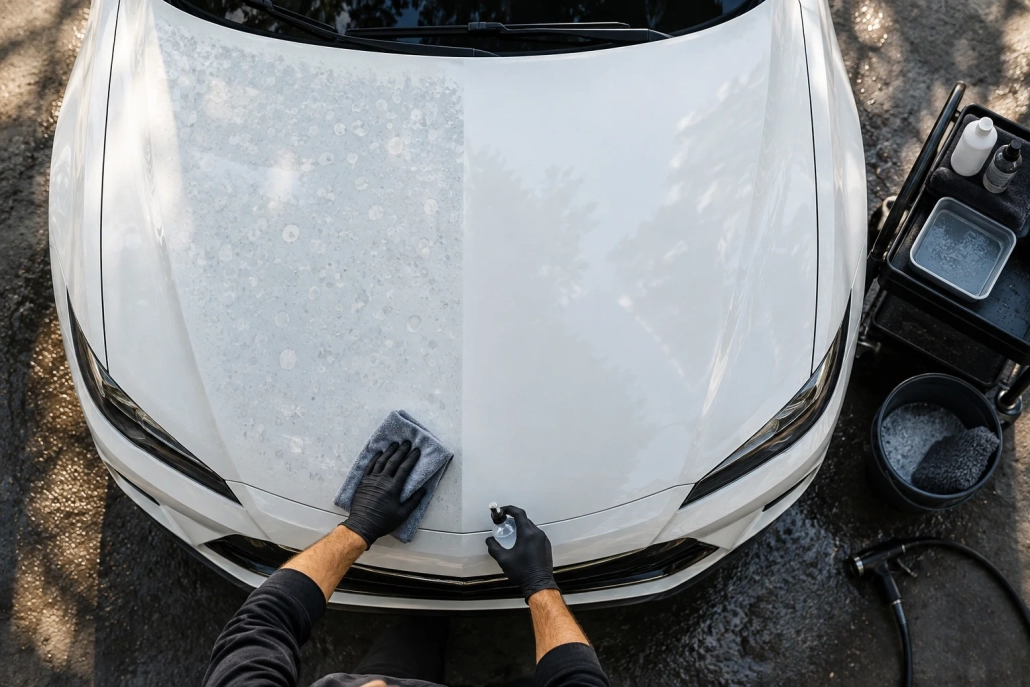
Understand why softened water and deionised rinse water are different when planning washing and drying for a ceramic-coated car.
A TDS display can help monitor a water-treatment system, but it does not describe every contaminant or guarantee that drying will leave no marks.
Understand surfactant cloud-point terminology and investigate temperature-dependent haze without assuming a changed cleaner is suitable.