






A full polishing range.
From cutting and one-step correction to final finishing.
Specialist chemistry. Expert application.
 QUARTZ99 / CERAMIC BASE COAT
The foundation of your coating system.
A layerable quartz base coat designed for mechanical protection. Pair it with a suitable top coat to create the final finish.
For application by NANOLAB certified installers only.
Four formulas. Extended working time. Find the coating for your finish.
Explore the BEAST family of ceramic coatings.
Find the coating for each exterior surface.
 PPF & VINYLGLOSSProtection for glossy films and wraps.Discover
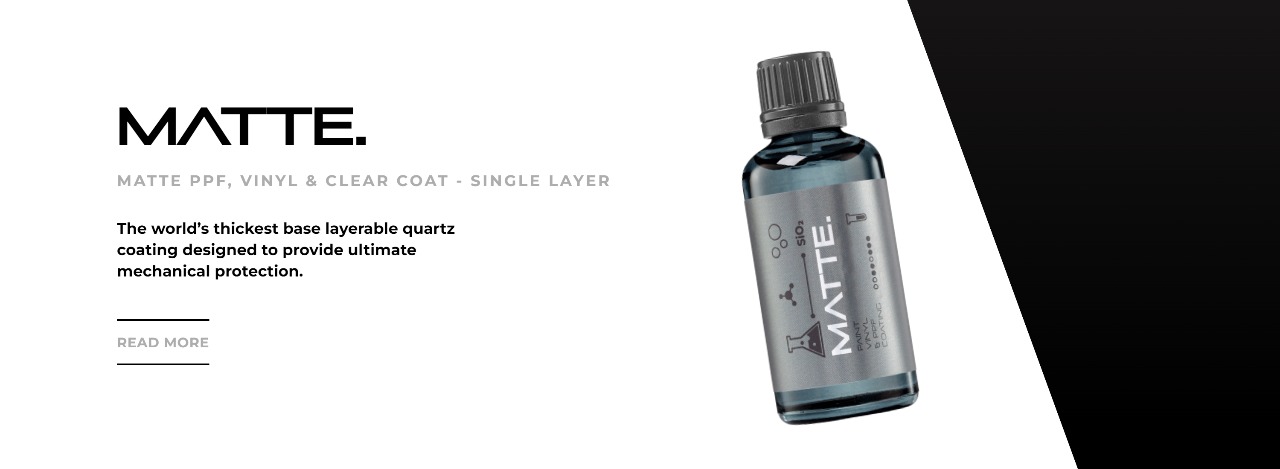
 MATTE & SATINMATTEProtection that respects the finish.Discover
 GLASSWINDOWSExplore dedicated glass protection.Discover
 WHEEL PROTECTIONWHEELSA dedicated coating for your wheels.Discover
 TRIM PROTECTIONPLASTICProtection for plastic surfaces.Discover
Dedicated care for the surfaces inside.
 LEATHER SURFACESLEATHERDiscover NANOLAB leather protection.Discover PLASTIC SURFACESPLASTICProtection for interior plastic surfaces.Discover TEXTILE SURFACESFABRICExplore the latest fabric formulation.Discover
Spray protection, maintenance and upcoming wash products.
 MAINTENANCEBEAST 365Explore the BEAST maintenance range.Discover
Next in washing, cleaning & care.
Ceramic protection for boats and yachts.
An easy-to-apply ceramic coating with an established track record on boats and yachts around the world.
Results vary with surface preparation, exposure and maintenance.
Read 50 MARINE guides →Explore MARINEProtection for the surfaces you live with.
A look at what we’re developing.
From cutting and one-step correction to final finishing.
A wider range for professional vehicle care.
Taking shape alongside BEAST & MATRIX.
Practical guidance for your next coating project.
Explore all guides →
Read automatic temperature-compensation settings correctly and separate temperature effects from contamination or sampling errors.
Updated · NANOLAB Knowledge
Water conductivity changes with temperature. Automatic temperature compensation, often labelled ATC, adjusts the result to a selected reference condition using an instrument model. It improves comparability when used appropriately, but it does not correct every sampling or measurement error.
Two meters may reference different temperatures or use different correction models. Check the manual and configuration before comparing a warm afternoon sample with a cool morning sample. An ATC indicator alone does not prove that the settings match.
A practical log should retain the actual sample temperature when available, reference temperature, measurement mode and instrument identity. This information becomes useful when a reading changes after the workshop replaces a meter.
Follow the instrument's procedure for immersion depth, mixing and stabilization. A probe moved from one environment to another may not immediately represent the sample temperature. Avoid using a hurried first display as the final result.
Temperature compensation cannot remove detergent from a cup, repair a contaminated sensor or turn a sample from the wrong tap into a representative outlet measurement. Those are procedure problems that need their own controls.
Suppose an illustrative water-treatment log shows a jump after readings began being taken from a sun-warmed hose. Check sampling location, flushing, stabilization and compensation settings before diagnosing resin exhaustion. If the procedure is consistent and the change persists, investigate the treatment system.
Do not invent a universal manual correction percentage for every water sample. The appropriate relationship depends on the instrument method and sample. Use the manufacturer's specified approach and report the conditions. This produces a more reliable maintenance decision than comparing bare numbers collected at different temperatures and treating every difference as a change in dissolved contamination.
Technical references: Hach: conductivity temperature-compensation settings.
For product-specific application instructions, consult NANOLAB technical documentation or ask about your surface and intended use.
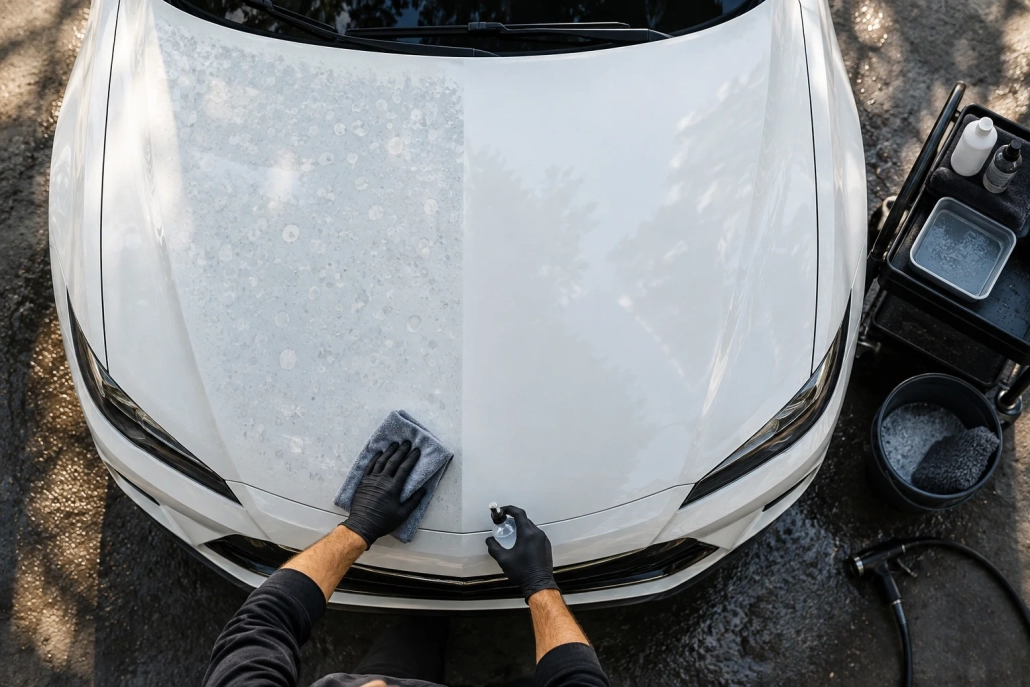
Understand why softened water and deionised rinse water are different when planning washing and drying for a ceramic-coated car.
A TDS display can help monitor a water-treatment system, but it does not describe every contaminant or guarantee that drying will leave no marks.
Compare reverse osmosis and deionization for detailing by water quality, throughput, maintenance and cost per usable litre.