
Sticky Paint During Polishing: What to Check First
Investigate grabbing pads and difficult polish removal by reviewing surface temperature, product loading, paint history and section size.
Updated · NANOLAB Knowledge
Installers sometimes describe paint as "sticky" when the pad grabs or residue becomes difficult to remove. This describes the working experience, not a diagnosis of the paint chemistry. Several variables can produce similar symptoms.
Stop and establish what changed
Check whether the problem affects every panel or only a repaired or warmer area. Review the pad condition, product amount and time spent working the section. Record the difference from the earlier successful test.
Do not force the machine through an unstable working cycle. Stop if tool control, paint condition or temperature becomes uncertain. Follow the equipment and polish instructions before resuming.
Use a controlled adjustment
On a suitable cool test area, reassess the working section and a clean pad with the correct loading. Change one factor at a time. Adding more product to a loaded pad can obscure the cause rather than solve it.
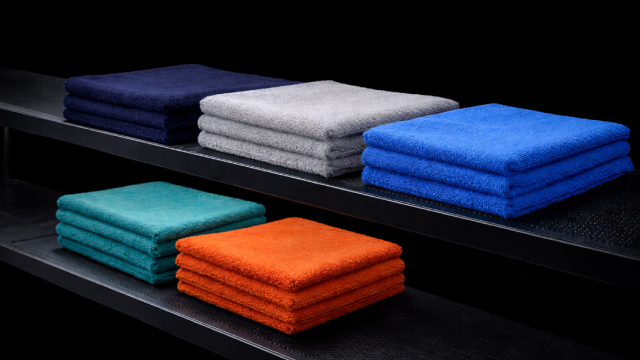
Remove residue with a compatible method and clean towels. If the surface still behaves unpredictably, seek specialist assessment, especially where paint history or cure condition is unknown.
Recheck the actual finish
Easy wipe-off is not the only goal. Inspect for remaining defects and any haze or marks introduced during the difficult cycle. Approve the corrected process before treating the rest of the panel.
Document the finding in the test-spot record and review heat management. Apply NANOLAB protection only after the paint and preparation process have been accepted.